

Bread, Long Before It Was Trendy
Bread didn’t start as an artisanal hobby. It started as survival.
Wherever wheat could grow, bread followed. Ancient civilizations across the Fertile Crescent, the Mediterranean, and parts of Africa built their diets around grain, water, and time. Long before bakeries had names, bread was already culture, currency, and community.
The earliest breads were simple and nourishing, made from ancient grains that behaved nothing like today’s industrial wheat. Einkorn, emmer, spelt—lower yields, deeper flavor, more character. Bread wasn’t designed to be fast or uniform. It was meant to feed people well.
That history matters to us. Because once you understand where bread comes from, you start to understand why so much modern bread feels… off.
The Fight for Better Bread
At some point, bread became a product instead of a practice.
Speed replaced fermentation. Shelf life replaced flavor. And wheat was bred for consistency, not nutrition. The result is what fills most supermarket shelves today: bread that looks right, lasts forever, and tastes like very little.
Our bread-baking courses exist as a quiet rebuttal to that.
We work with proper flour. We talk about fermentation, hydration, and time. We slow things down. Not because it’s nostalgic, but because it works.
Better bread isn’t complicated. It just refuses to be rushed.
The Quignon Problem (If You Know, You Know)
Anyone who has spent time around a French table knows this moment:
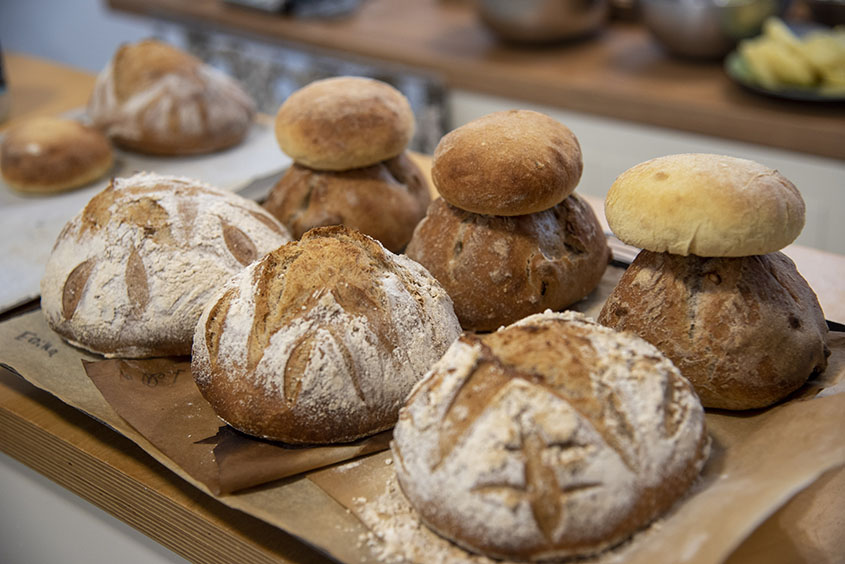
The loaf lands. Hands hover. Someone reaches for the quignon—that coveted end piece with the thick crust and concentrated flavor. And suddenly, bread becomes competitive.
That small, unspoken battle says everything about how seriously bread is taken in wheat-growing cultures. Bread isn’t an accessory. It’s the point. It’s the thing everyone notices when it’s good—and immediately misses when it’s not.
That reverence is what we bring into our workshops. Not dogma. Not perfection. Just respect for the loaf.
What We Actually Teach When We Teach Bread
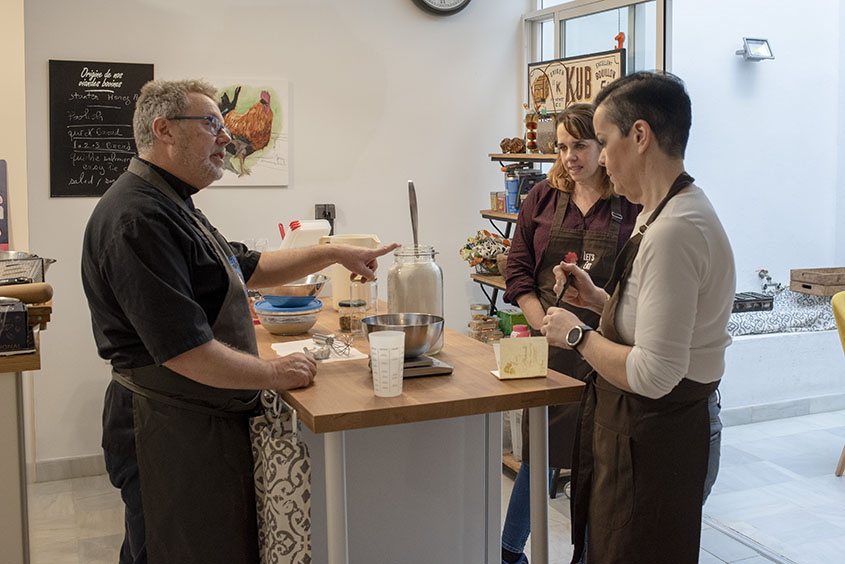
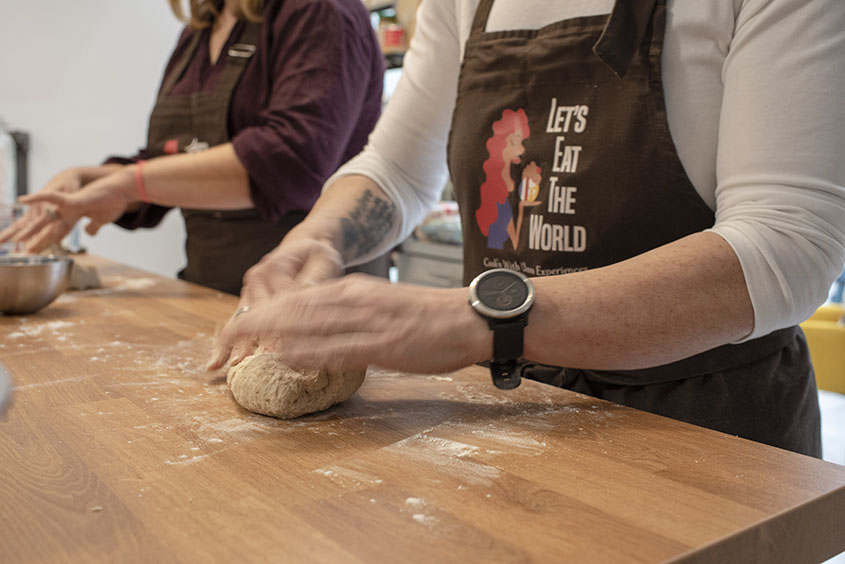
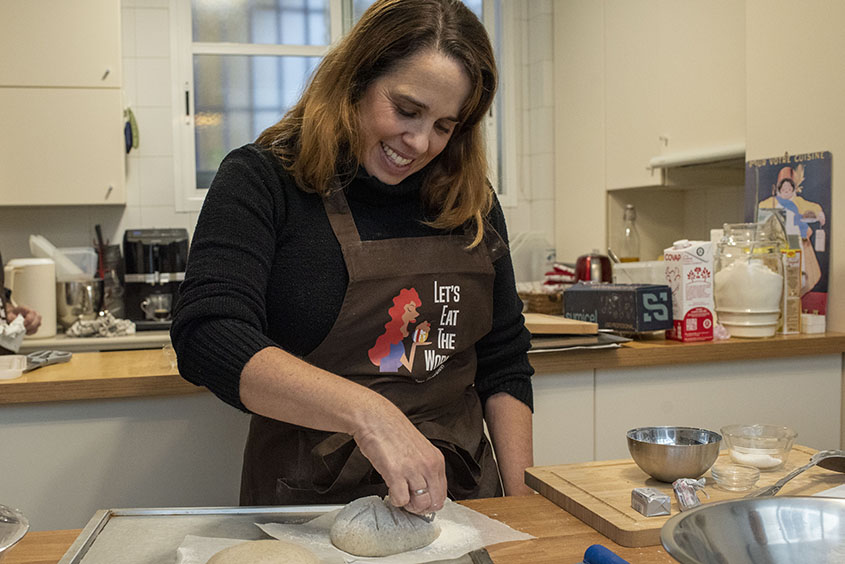
Yes, you will learn the technique. You will knead, shape, proof, and bake. But more importantly, you will learn how to read dough.
- How flour behaves.
- Why temperature matters.
- When to wait and when to act.
Bread baking becomes far more intuitive once those pieces come together. That’s when people stop following recipes blindly and start baking with confidence.
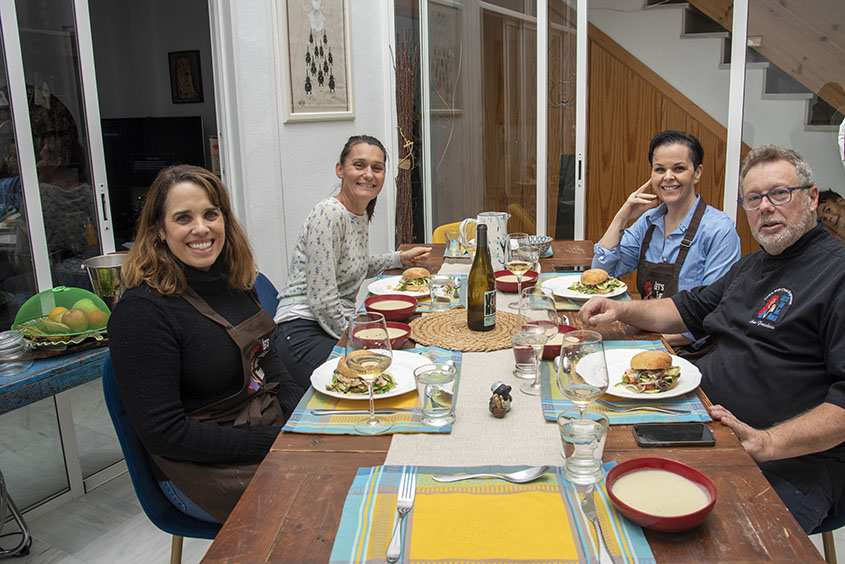
This class was a real treat, not only am I now confident that I can make a variety of different types of bread on my own, but the overall experience was really fun and social. Each learning session was paired with a delicious lunch and watching the chef put it together was very inspiring. I would highly recommend this experience for anyone who loves cooking and is looking for something out of the ordinary! – Erika
Who This Is For
These bread-baking experiences are for people who:
- Care about what they eat
- Are curious about how food is made
- Want bread that tastes like bread again
- Prefer understanding over shortcuts
You don’t need experience. You just need interest and a willingness to pay attention.
Where This Leads
If this way of thinking about bread resonates—grounded, practical, a little opinionated—then the Bake Better Homemade Bread course is where the hands-on work begins.
A Few Things People Often Ask
Yes. The goal is not just to bake during the class, but to build real confidence. Working alongside a professional baker means you can ask questions in the moment, understand what your dough is doing, and get clear answers—both during the masterclass and later, when you start baking at home. That ongoing understanding is what helps people bake better long after the class ends.
No. We cover fermentation broadly, including yeasted doughs, shaping, and technique that applies across styles.
Both. You’ll learn seriously, but the atmosphere is relaxed, social, and centered around shared meals.
Time. We give bread the time it actually needs. Instead of rushing dough to fit a tight schedule, we let fermentation do its work so you can see, smell, and taste how time creates flavor. That slower rhythm also gives space to ask questions, observe changes, and understand what’s happening at each stage. The result isn’t just better bread during the class, but a clear understanding of why patience is one of the most important ingredients.