
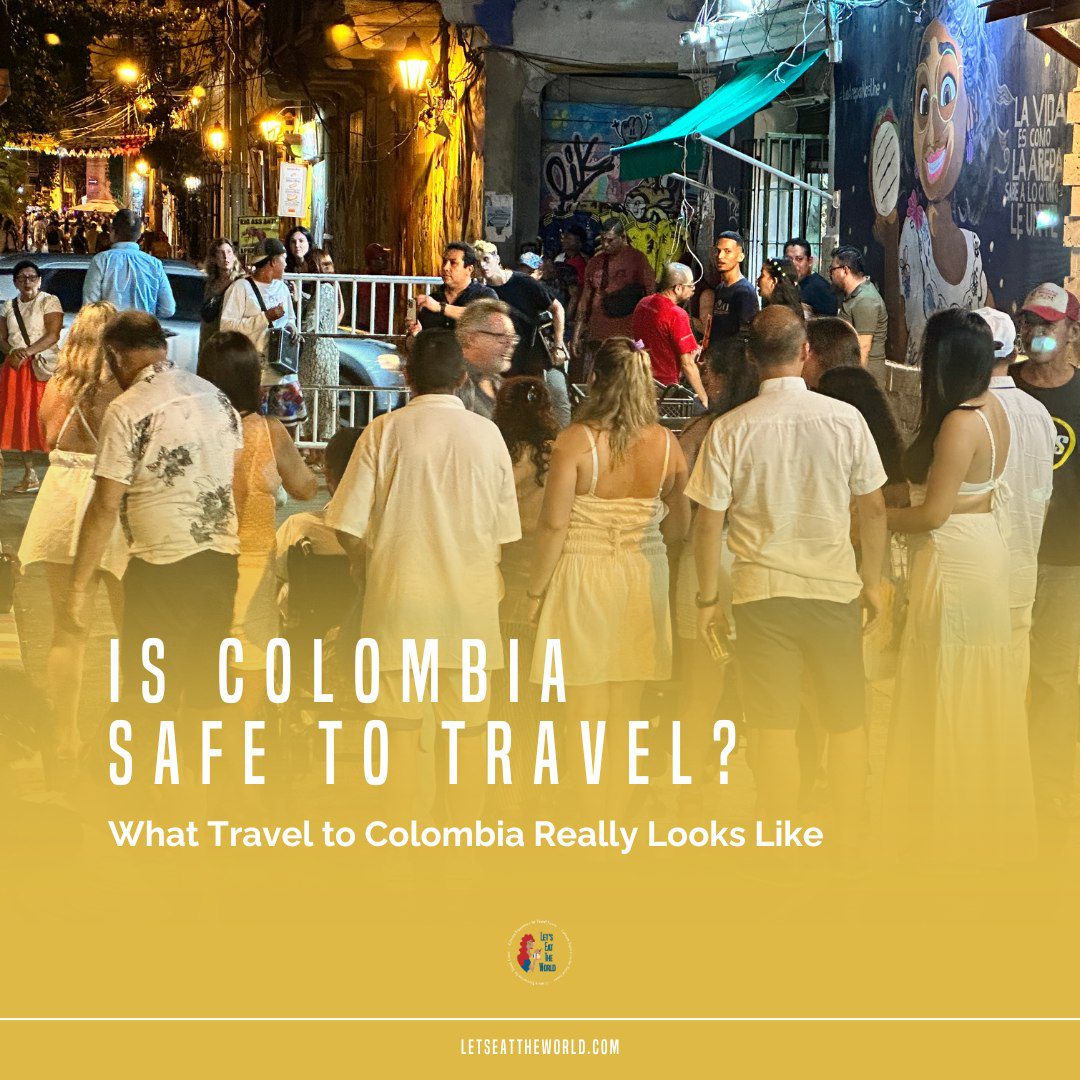
Is Colombia Safe to Travel: What Travel to Colombia Really Looks Like
Beyond the Stereotypes
For decades, Colombia has carried the weight of headlines it no longer deserves. Narcos, guerrillas, kidnappings—those stories still linger in the global imagination, even as the country itself has moved forward, step by step, into a new era.
Is it safe to travel to Colombia? Yes—and also: it’s a nuanced question. Safety, like anywhere, depends on where you go, how you move, and how willing you are to tune into the rhythms of a place. But what you’ll find here is not a country on edge. It’s one alive with energy, filled with color, flavor, and the kind of hospitality that makes strangers feel like guests.
Let’s Talk Safety First
Colombia is not the same country it was in the 1990s. While it’s important to stay informed and aware—especially in urban centers—it’s also important to recognize progress. As our on-the-ground partners in Colombia remind us, crime in major cities today is no more prevalent than in many other popular destinations in Latin America.
If you’ve traveled to places like Mexico City, Madrid, Rome, or even Paris, the same “street smarts” apply: don’t flash valuables, be mindful of your surroundings, and know the neighborhoods. In fact, many travelers report feeling safer in cities like Medellín or Cartagena than in some large American or European cities.
For more context on getting around these two cities, you might find our tips for getting to Cartagena and Medellín helpful.
Solo Travelers: Yes, You Can
Solo female travelers, in particular, often write to us with questions. And while we never sugarcoat the realities of travel, we also don’t believe in fear-based storytelling. You can travel solo in Colombia—many of our guests do. With the right guidance and some cultural awareness, it’s not just doable; it’s rewarding.
Let’s Eat The World tours are small-group experiences by design. You’re never navigating alone, but you’re also not being herded through a rigid itinerary. Our on-the-ground partners help ensure that guests feel welcome, supported, and informed from the moment they land.
Cultural Cues Worth Knowing
Colombians are warm, expressive, and often very direct. A firm handshake, eye contact, and a simple “buenos días” go a long way. Personal appearance matters—dressing neatly, even casually, shows respect. And mealtimes? They’re sacred. Lunch is long and social, dinner often lighter. If someone offers you coffee, it’s not just caffeine—it’s connection.
Understanding these nuances doesn’t just keep you respectful—it deepens your experience. This is a place where people want to talk to you, feed you, and share stories. Let them.
The Myth of the “Dangerous Country”
Yes, Colombia has a complex past. But reducing it to that past is both unfair and inaccurate. The country is vast and diverse. What’s true in Bogotá may not be true in Barichara. Cartagena is not Medellín. Palenque is not Pereira.
As travelers, our job isn’t just to visit—it’s to observe with humility. You’ll find that people here are well aware of how their country is perceived abroad. And many will gently challenge those assumptions—over a shared meal, a dance, or a walk through a local market.
What You’ll Remember
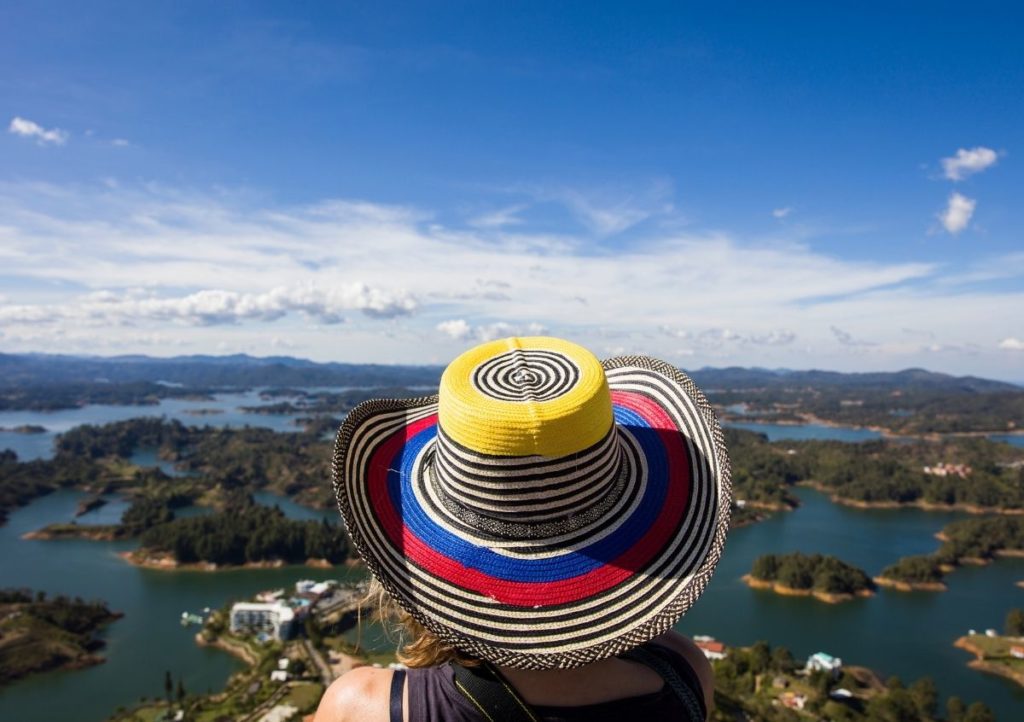
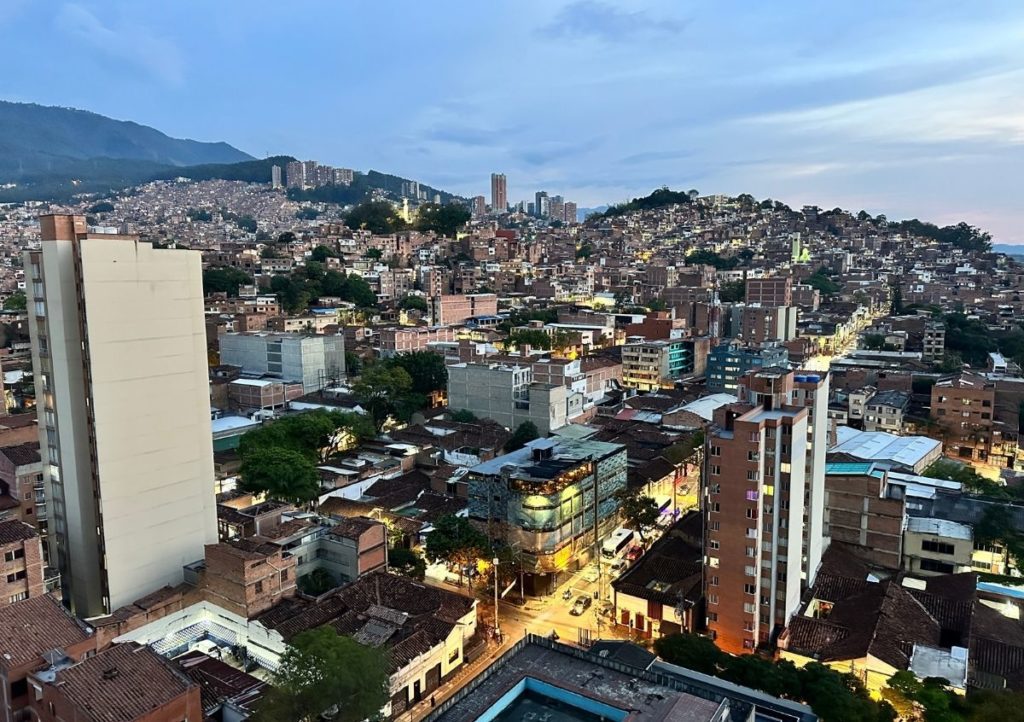
On one of my early visits to Colombia, I found myself on a bus ride out of Medellín heading to Guatapé. The road curved through lush green hills, and the view outside the window was almost cinematic—rural homes tucked into the landscape, lush hillsides, clouds dipping low over the trees. Seated next to me was an elderly Colombian gentleman. I turned to him and said, simply, “Your country is beautiful.” He smiled, nodded, and we began a warm conversation that stayed with me long after that trip ended. That quiet connection, that gentle reminder to look beyond the city limits, was an invitation—to see more, to listen better, and to return.
Being an Ambassador
Before this tour existed, one of our Medellín-based guides said something that stuck with me. When asked what he wanted visitors to take home, he didn’t mention coffee or beaches or even the food. He said, “I want them to go home as ambassadors. To tell their friends and neighbors what Colombia really is—not what they saw on TV, but what they experienced here. That it’s beautiful, rooted, and forward-looking.”
That was part of the spark behind this experience with local partners. Because when you see Colombia through the eyes of its people, it becomes impossible to flatten it into a headline.
What You’ll Experience
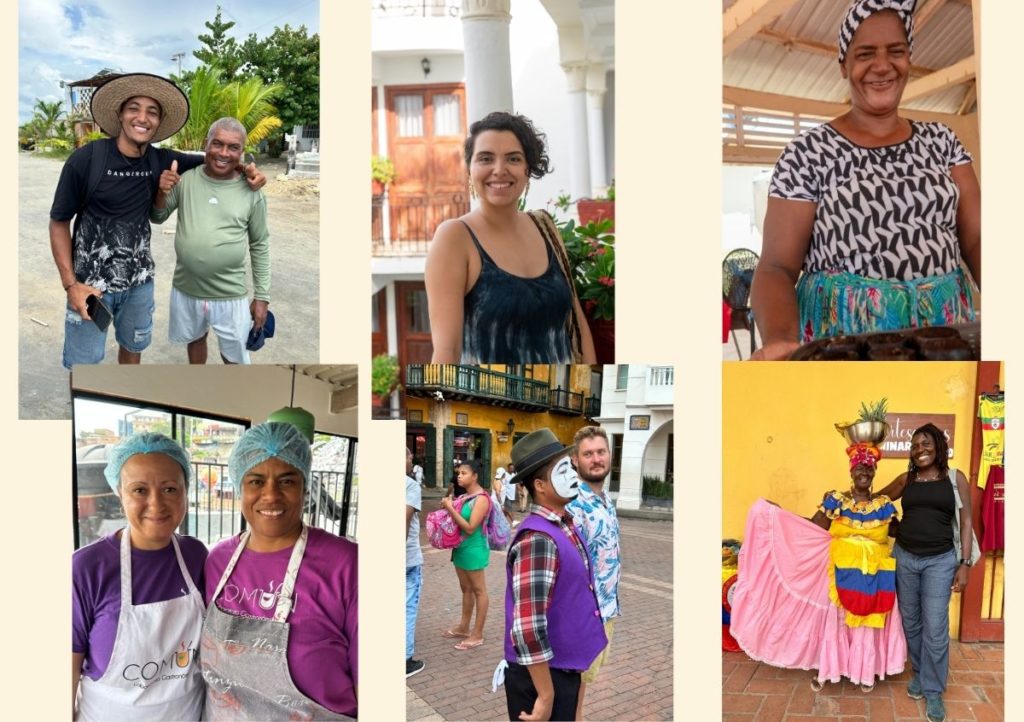
The fruit vendors in Cartagena are calling out prices in a sing-song rhythm. The sun falls through banana leaves on a trail outside Medellín. Pride is in every bite of a home-cooked dish. A shot of rum and your Spanish improves in the middle of a joke.
And yes, Colombia is rich in flavor—not just metaphorically, but quite literally. From Afro-Colombian stews and fried snacks to delicate tropical fruits, it’s no wonder so many now consider it one of the best places to travel for food right now.
This is Colombia. Not the headline, not the Netflix script. Just real people, real flavor, and a chance to travel with curiosity and care.
If you’re looking for more than a vacation—if you’re looking for connection through food and culture—our Let’s Eat Colombia experience is a good place to start. If you are wondering how what was once a French cooking school in southern France came to offer culinary holidays around the world, I invite you to learn more about Cook’n With Class Uzès & Let’s Eat The World. You can learn all about us and our partners.
Explore our full selection of chef-curated culinary holidays that go beyond the brochure.