
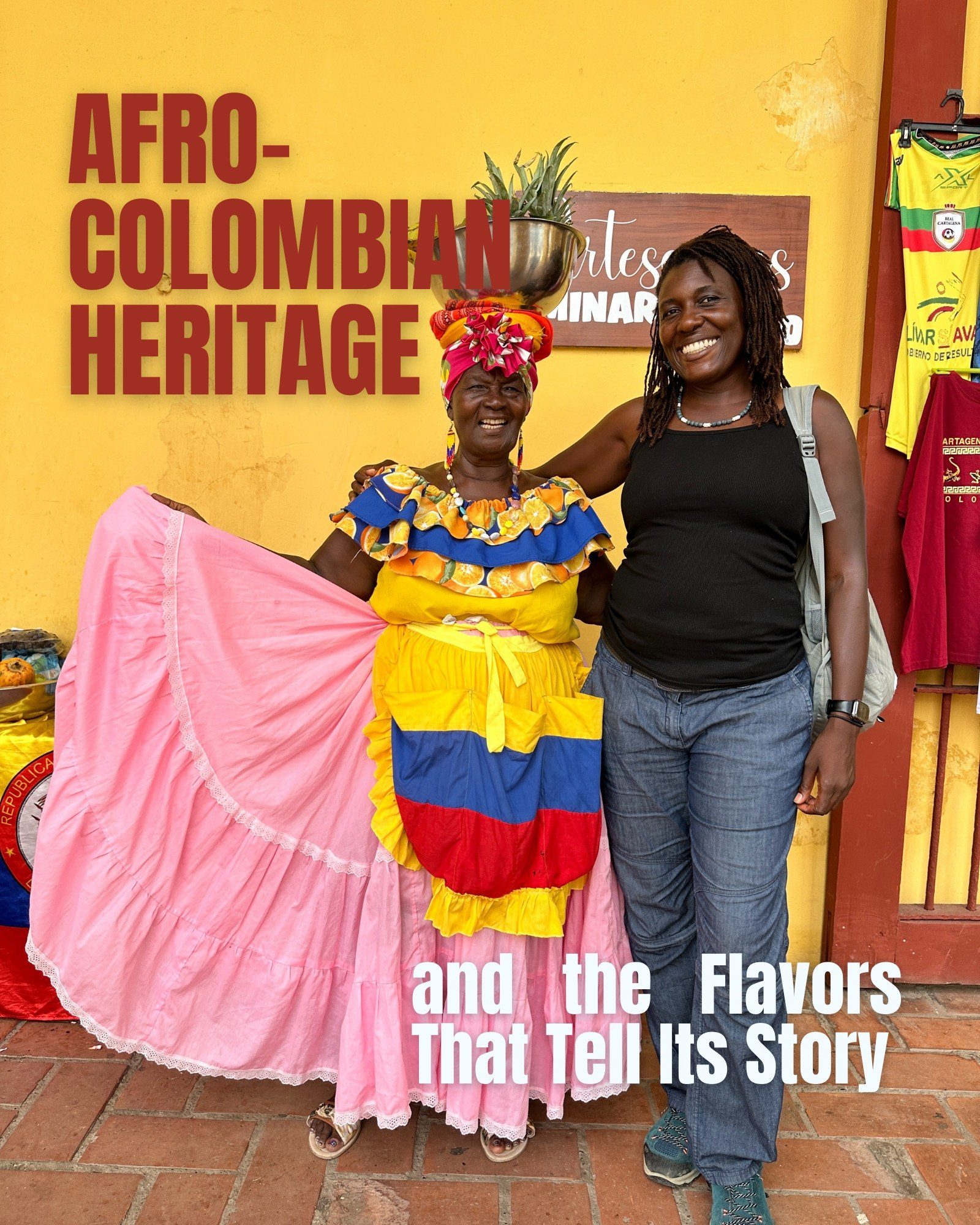
Afro-Colombian Heritage and the Flavors That Tell Its Story
To understand Colombia, look to the plate. And if you want to understand the plate, you can’t ignore the powerful influence of its Afro-Colombian communities, especially in Cartagena and San Basilio de Palenque.
This isn’t just a story of ingredients. It’s about history, resistance, and memory. The food traditions carried across the Atlantic by enslaved Africans were adapted, preserved, and transformed in Colombia. This is especially seen along the Caribbean coast, where communities like Palenque continue to carry those culinary lineages forward.
A Taste of Freedom in Palenque
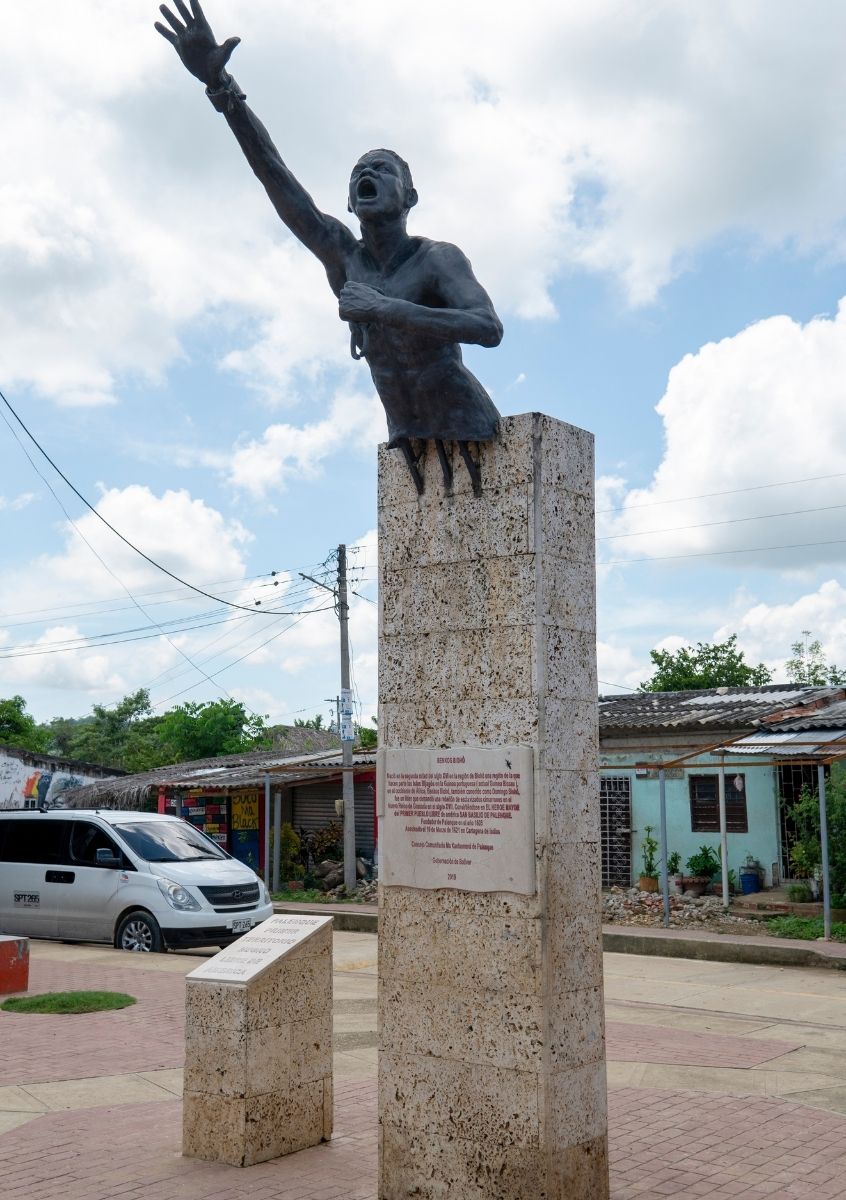
San Basilio de Palenque, just over an hour from Cartagena, is recognized by UNESCO for its cultural heritage, and with good reason. It was the first free Black town in the Americas, founded by those who escaped enslavement and built a self-sustaining society rooted in African customs, language, and food.
In Palenque, you’ll taste centuries of history in dishes like sancocho—a layered, simmering stew that’s both sustenance and symbol. Cooked over open flames in big pots, it’s often prepared communally. There’s no single recipe, but the base ingredients—plantains, cassava, local herbs, and meat or fish—speak of resourcefulness and deep cultural continuity.
If you’ve read What You’ll Actually Eat in Colombia, you’ll know that dishes like sancocho aren’t just iconic—they carry stories from generation to generation.
Ingredients with African Roots
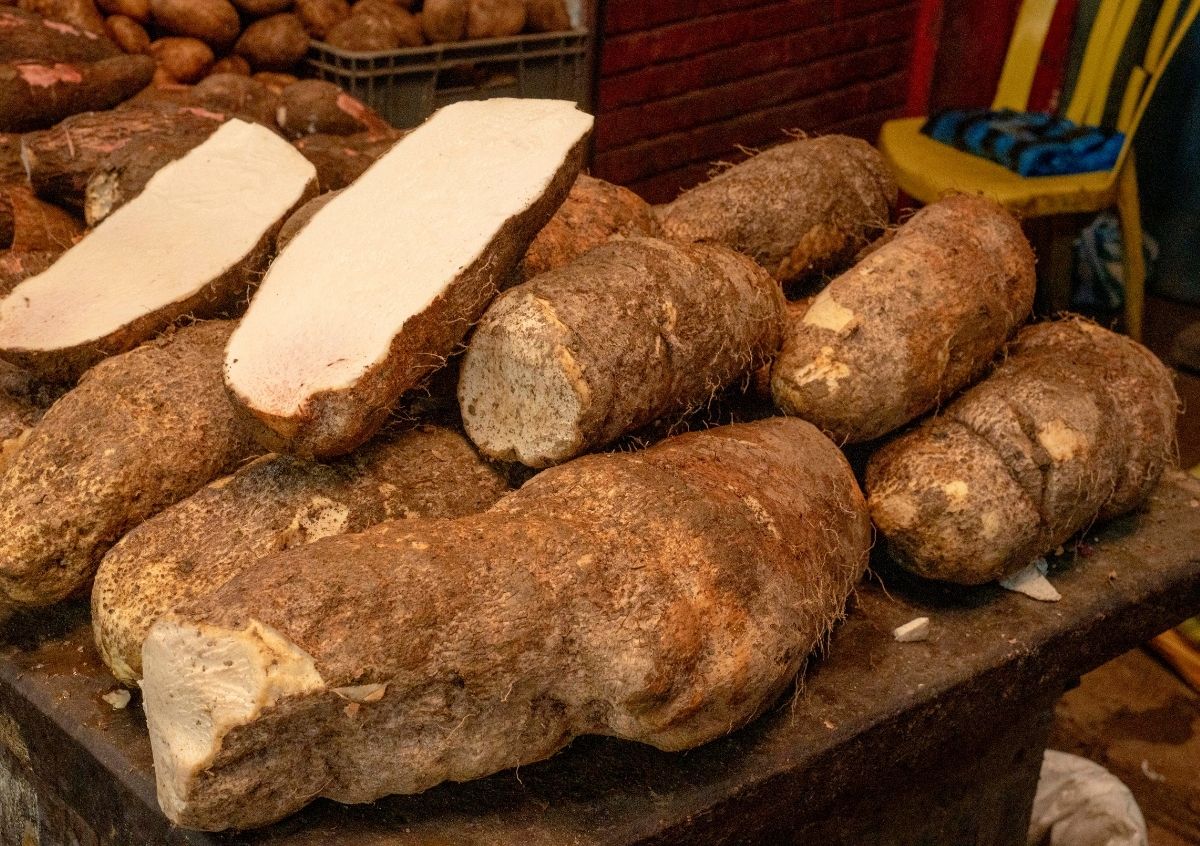
Colombian cuisine owes much to African foodways. Ingredients like yuca, plantains, okra, and coconut are everyday staples across the Caribbean and Pacific coasts. Cooking methods like frying (in oil or lard) and stewing in heavy pots have become cornerstones of Colombian home cooking. You’ll also find rice dishes layered with fish, spices, and vegetables that reflect ancestral ties to West and Central Africa.
According to Saveur, many Palenqueras—Black women who travel to Cartagena to sell fruit and sweets—are cultural ambassadors. Their brightly colored dresses and towering bowls of tropical fruit aren’t just for show. They’re carriers of tradition, economy, and taste.
Afro-Colombian Cooking in Daily Life
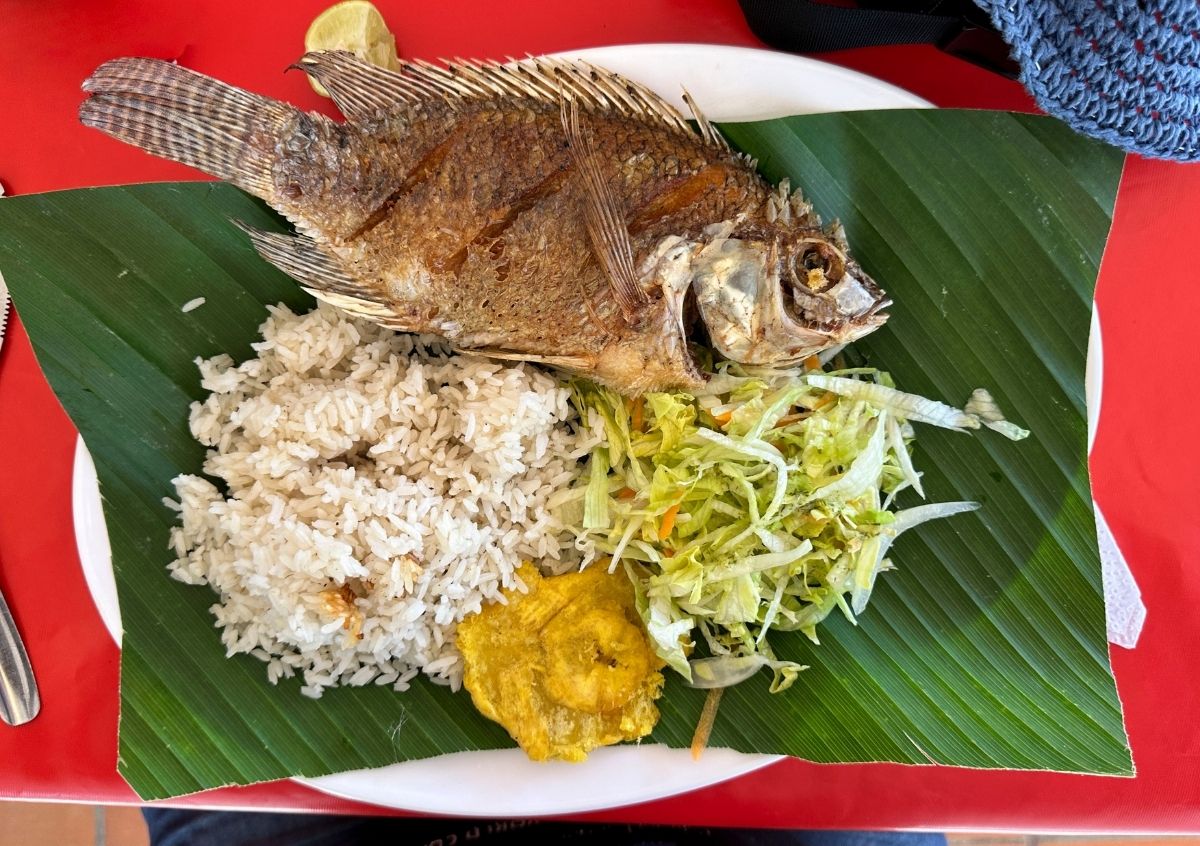 Beyond Palenque, Cartagena’s neighborhoods and households keep these culinary legacies alive. In local kitchens, you’ll find grandmothers frying plantains in worn pots, blending coconut milk by hand, and seasoning fish with techniques passed down for generations. It’s not stylized or staged—it’s how lunch gets made. These dishes don’t need fanfare because their flavor and cultural resonance speak for themselves.
Bazurto: More Than a Market
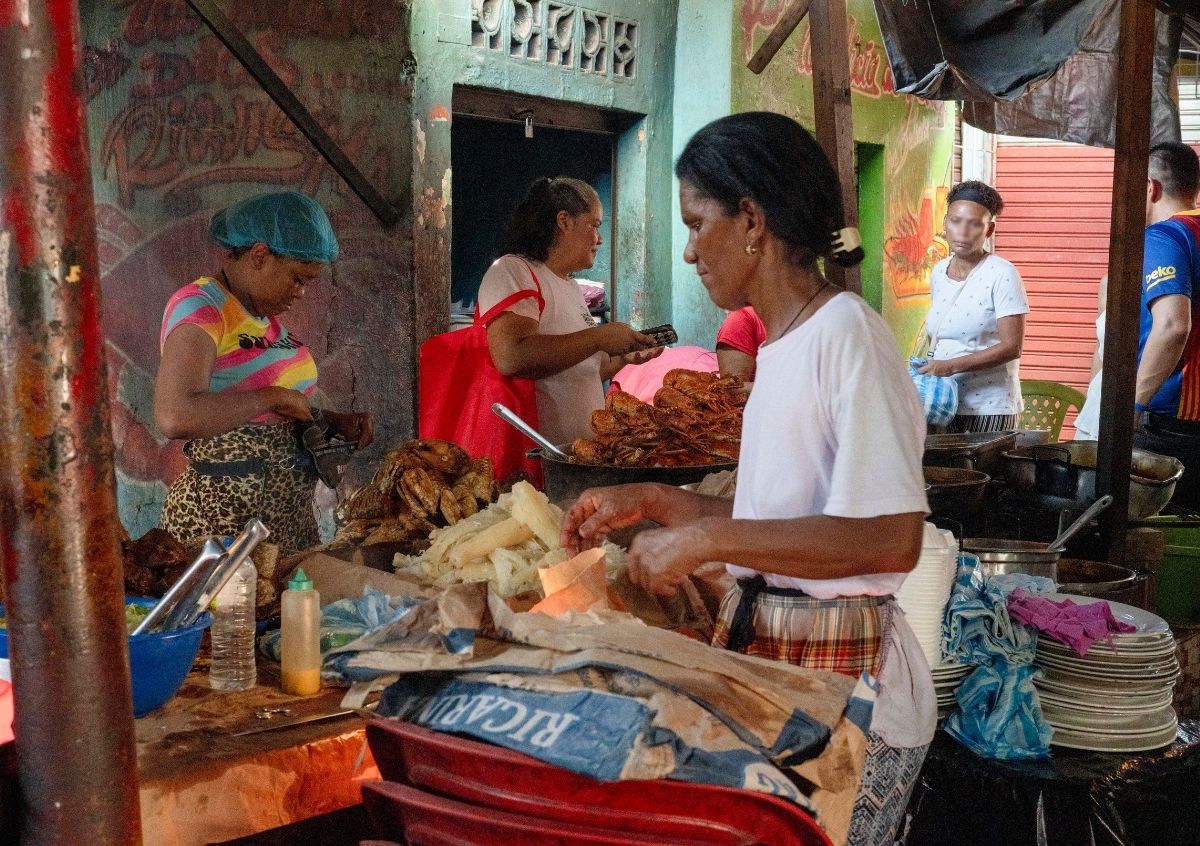
In Cartagena, the Bazurto Market is the heart of Cartagena’s local food economy. But it’s also a living museum of Afro-Caribbean culinary practice. Here, Afro-Colombian vendors—many with roots in Palenque and other Black communities—carry out a daily performance of survival and tradition. You’ll find piles of guandú (pigeon peas), tubs of molasses, whole fish ready for frying, and medicinal herbs with whispered histories.
There are tensions here, too. Efforts to relocate the market threaten not just livelihoods but cultural visibility. To walk through Bazurto is to witness a community’s grip on its identity through food, trade, and tenacity.
Food as Resistance and Continuity
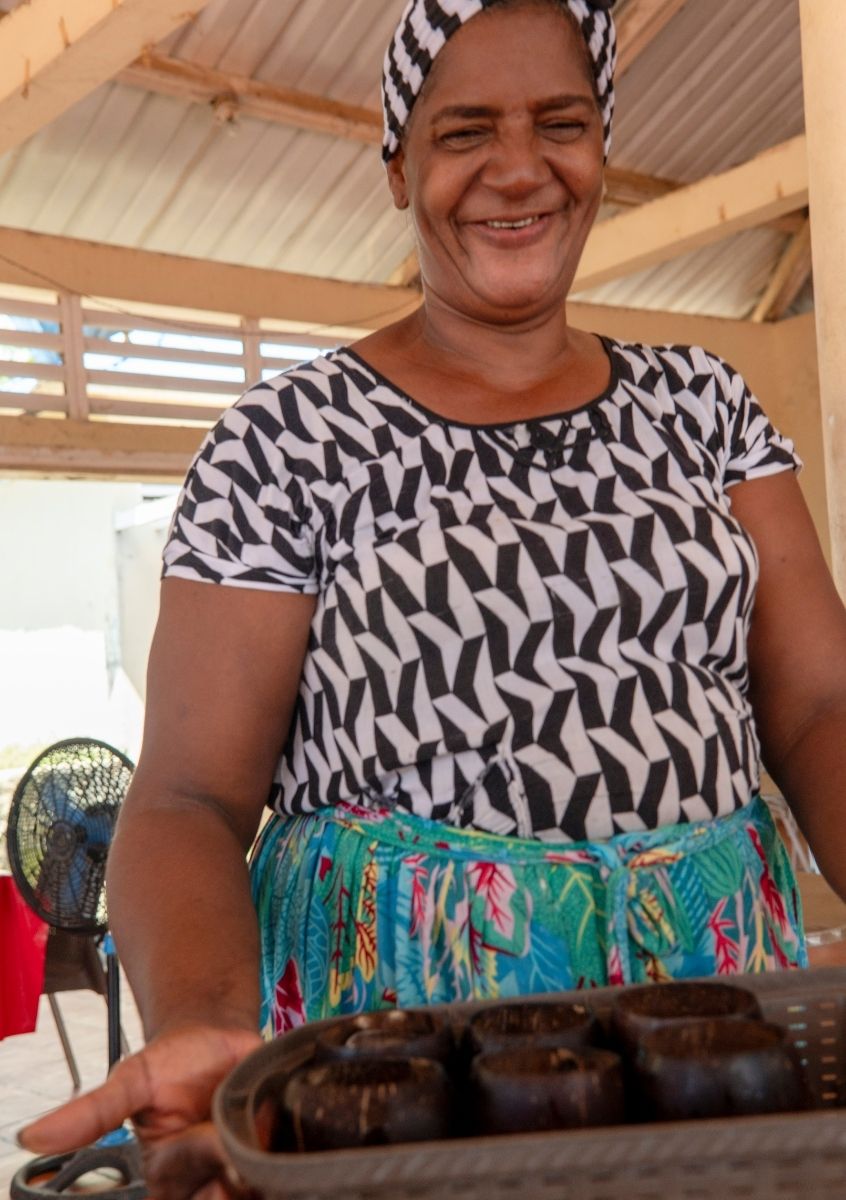
Much like the oral storytelling that preserves language in Palenque, cooking serves as a living archive of cultural heritage. Sancocho, arroz con coco, enyucado, and fried mojarra aren’t just comfort foods—they’re survival tools. They’re how memory persists when written histories fall short or leave people out. They’re how culture resists erasure.
In a country where Afro-Colombian communities still face systemic inequality, the food holds space for both nourishment and protest. And for visitors willing to listen—and taste—these dishes offer a window into histories that textbooks often ignore.
From Culture to Culinary Experience
When we visit Palenque during Let’s Eat The World’s Colombian Food travel experience, Let’s Eat Colombia, we do more than taste. We sit with locals. We cook with them. We hear their stories. This is what it means to travel and understand culture through food. Every bite, every story, canvas a picture that no classroom could ever paint.
If you’re still wondering why visit Colombia, the country’s culinary diversity and cultural richness—rooted in communities like Palenque—offer plenty of reasons to dig deeper.
You can also read about how Colombia’s culinary scene is gaining global recognition in Why Colombia Is One of the Best Places to Travel for Food Right Now.
Explore more chef-curated culinary experiences designed for travelers who value flavor, heritage, and connection.