
Why Colombia Is One of the Best Places to Travel for Food Right Now
If you think of some of the best places to travel for food in Central and South America, chances are Peru and Mexico come to mind. And with good reason—these countries have been globally celebrated for their cuisine for years. So, Why Visit Colombia? Well, first, it’s been quietly building its case, and if you are a curious foodie, you may just want to take my advice and tune in.
You can learn a lot about a place by how it feeds you. And in Colombia, that means more than just ingredients—it means stories that move you, traditions that fascinate you, and the people who inspire you.
This is a country of rich biodiversity, overlapping cultural influences, and deep regional pride. It’s also a country whose culinary traditions have remained largely under the radar—until now.
If you’re a traveler who doesn’t just want to see new places but to taste them, here’s why Colombia might be exactly what you’re hungry for.
A Flavor Map Unlike Any Other
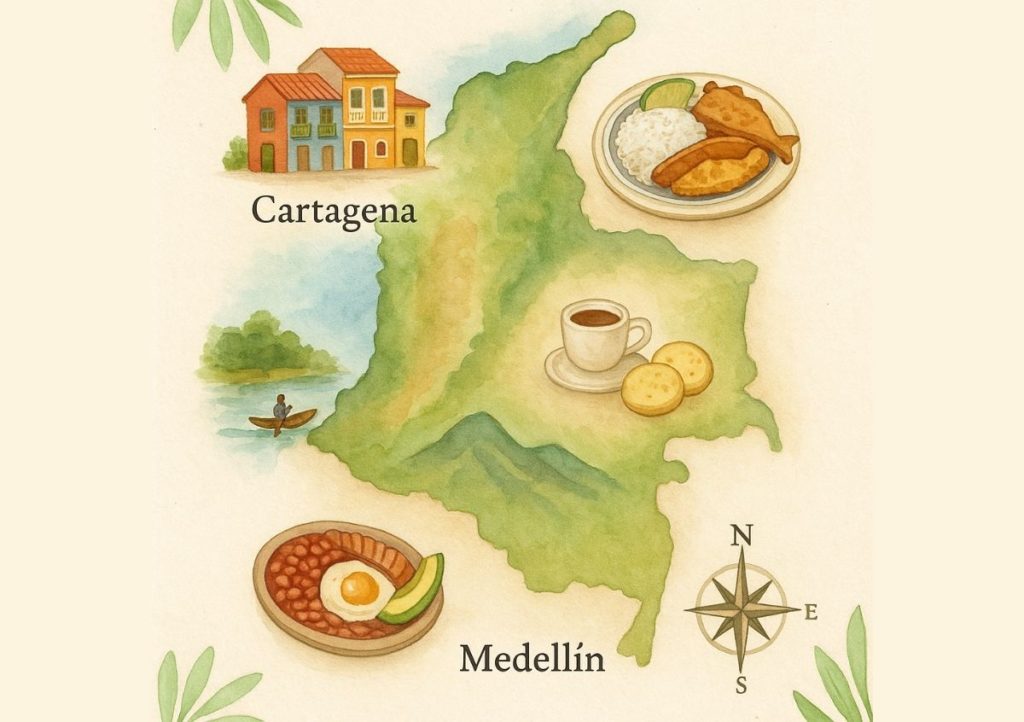
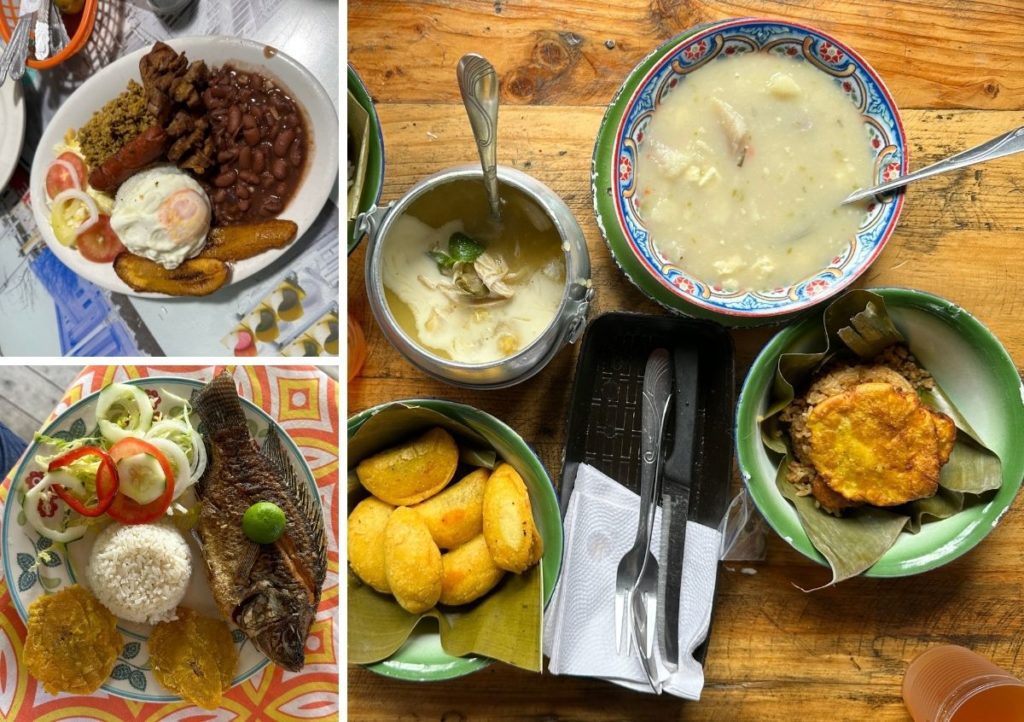
Colombian food isn’t one thing—it’s many. Along the Caribbean coast, you’ll taste Afro-Colombian influences: coconut rice, fried mojarra, hearty sancocho, and tamarind-laced stews. In the interior, the food gets heavier—think mountain fare: bandeja paisa, arepas de chócolo, and soups like ajiaco.
You won’t always find these dishes in the same place, and that’s part of the joy. Each region has its own ingredients, spice preferences, and techniques. And unlike destinations that have stylized their food for global palates, Colombia still cooks for its own people first.
The Market as Classroom
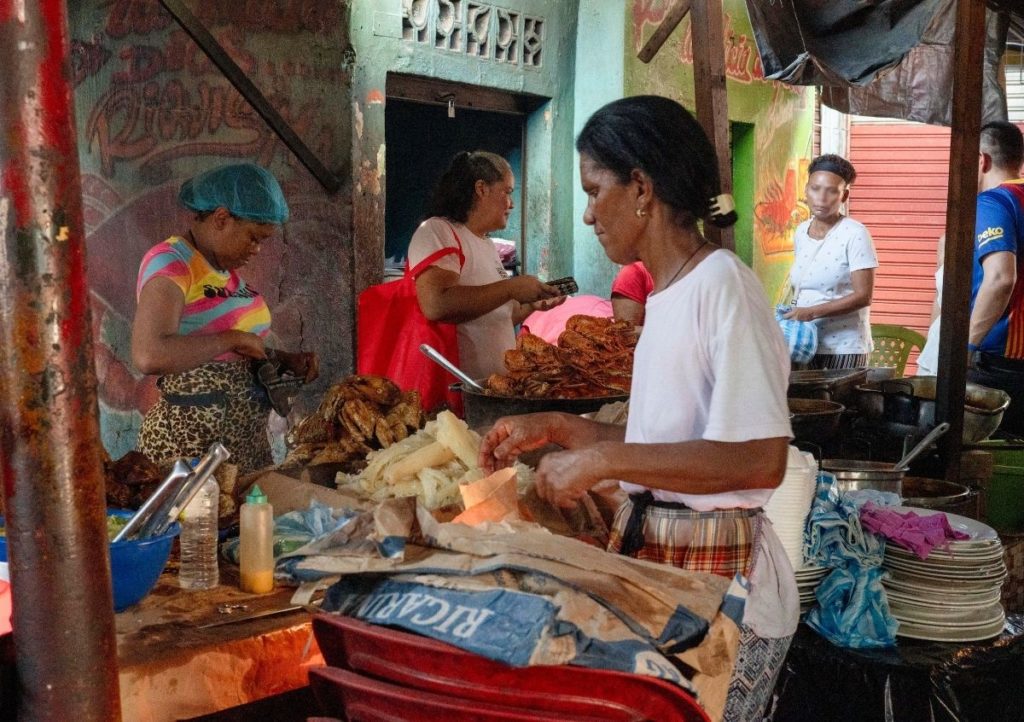
Want to understand a country’s soul? Start in the market. In Cartagena’s Bazurto Market or Medellín’s Plaza Minorista, you’ll find vendors who don’t just sell food—they tell stories with it.
At Bazurto, fish is gutted on crates, herbs are bundled in newspaper, and the smell of frying plantains mingles with reggaetón. It’s chaotic, yes—but it’s also real, and it reflects Colombia’s complex Afro-Caribbean and Indigenous roots.
These spaces aren’t curated for travelers. They exist because people need them. And that’s exactly why you should go.
Cooking as Connection
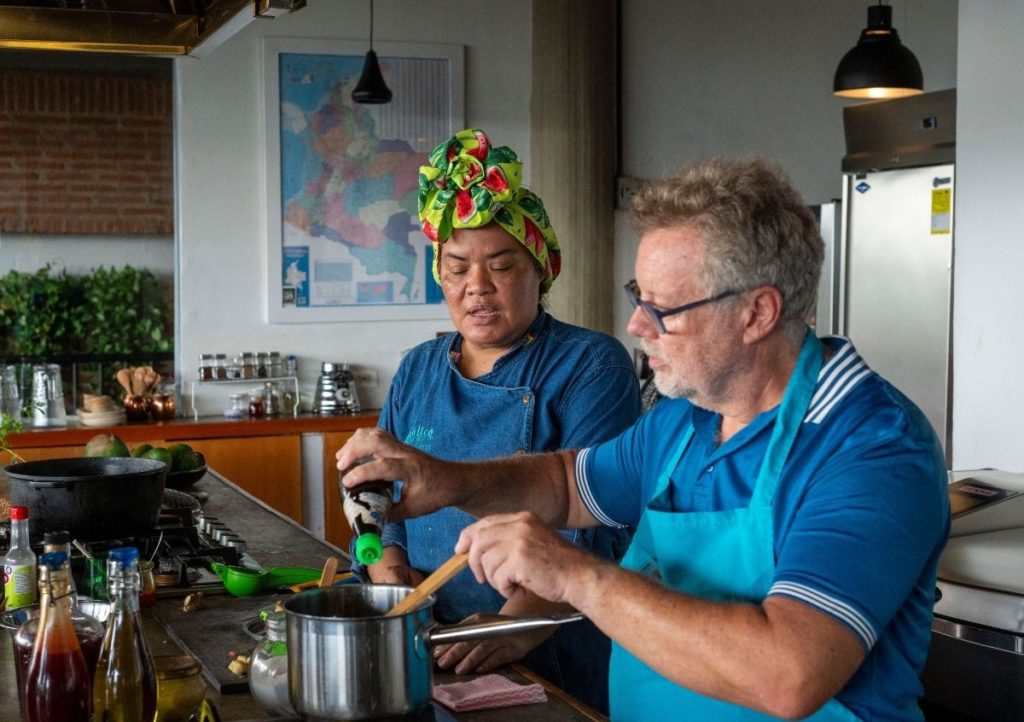
In Colombia, food isn’t performative. It’s comfort, inheritance, and sometimes protest. While our Let’s Eat Colombia tour is still new, it was born from the desire to bring this depth of experience to the kind of travelers who crave connection. We’ve already cooked arepas with community leaders, tasted tamales wrapped in bijao leaves, and shared lunch with locals who welcome you like family.
Cooking here is not a spectacle. It’s a conversation. And whether you’re learning from a grandmother in Palenque or chatting with a home cook in Medellín, the lesson is the same: food is memory, and memory is resistance.
More Than a Coffee Country
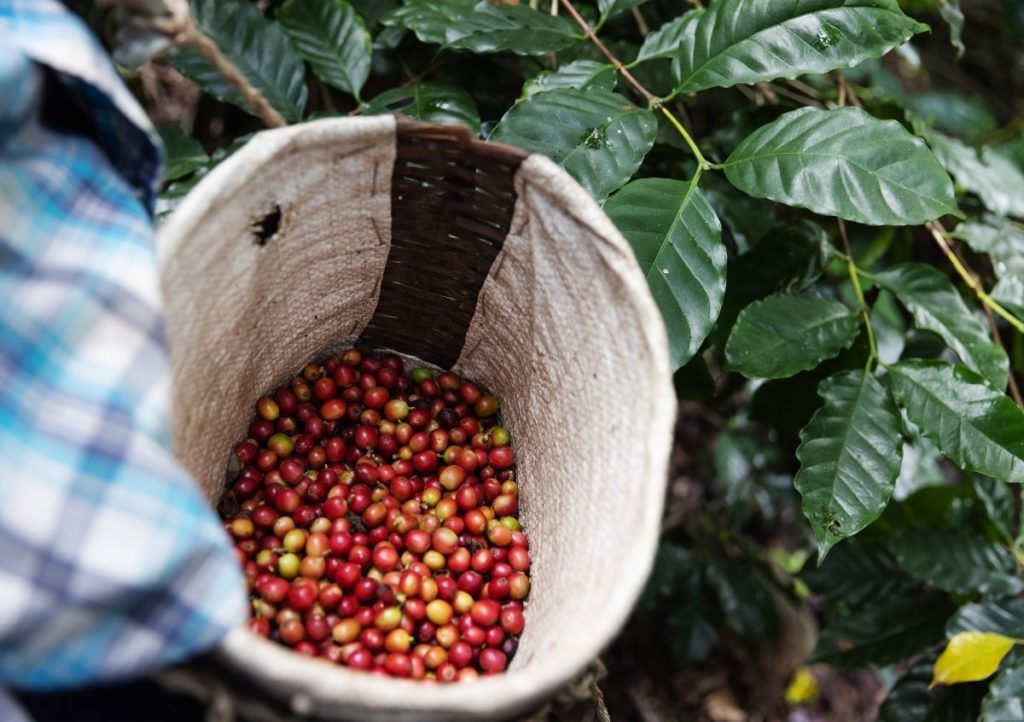
Colombia is famous for its coffee, but what most travelers don’t know is how much the act of drinking coffee here differs from their expectations. Outside of hip cafés in Bogotá or Medellín, coffee is often brewed with panela, served black and sweet, and shared in tiny plastic cups.
Visiting a coffee farm adds new layers: understanding the growing process, sure, but also witnessing how farmers are reclaiming value in the supply chain. Coffee becomes not just a drink, but a lens.
A Future-Facing Food Scene
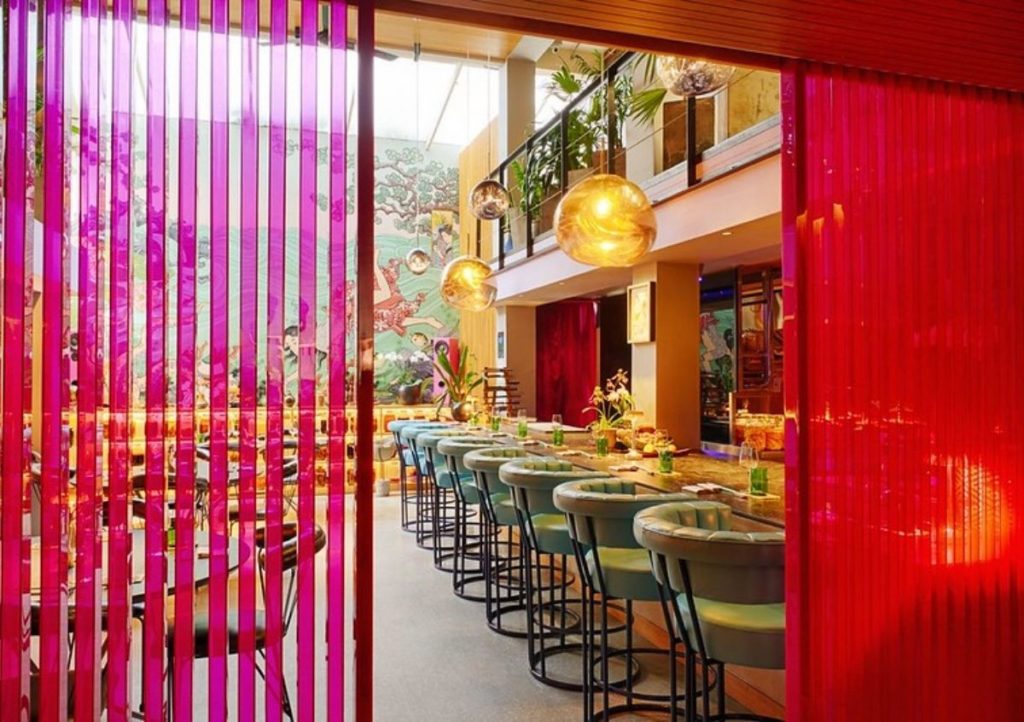
In cities like Medellín, younger chefs are drawing from tradition and remixing it. They’re working with local producers, reviving Indigenous ingredients, and reimagining Colombian food without discarding what came before.
It’s not about “modern Colombian cuisine.” It’s about honoring the past while building something new—one arepa, one fermentation project, one cacao tasting at a time.
Why Now?
Because the world is finally paying attention, but the experience is still honest, still rooted. Colombia is not a food trend. It’s a food journey that’s been waiting for you.
If you’re craving a travel experience where meals come with stories, and markets come with music, and strangers become your teachers over shared plates—this is your sign.
Start with our Let’s Eat Colombia culinary holiday, and let the flavors lead the way.
Explore more chef-curated culinary holidays designed to help you experience a place through its kitchens and its people.
Or, begin with a taste of what makes this country special by diving into What You’ll Really Be Eating in Colombia or learning about Colombian Christmas traditions. You might also enjoy this reflection on why food is one of the most powerful ways to understand culture—something we believe deeply at Let’s Eat The World.
And if you’re still asking, “Why Colombia?” Then maybe it’s time for us to schedule a chat.