Causa Limeña Recipe
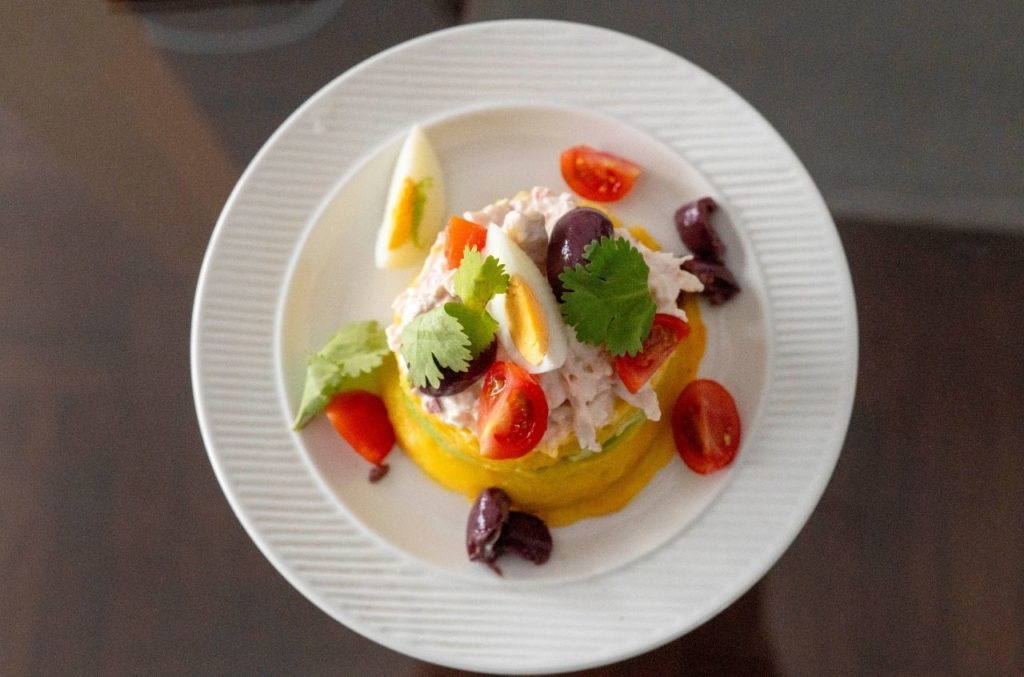
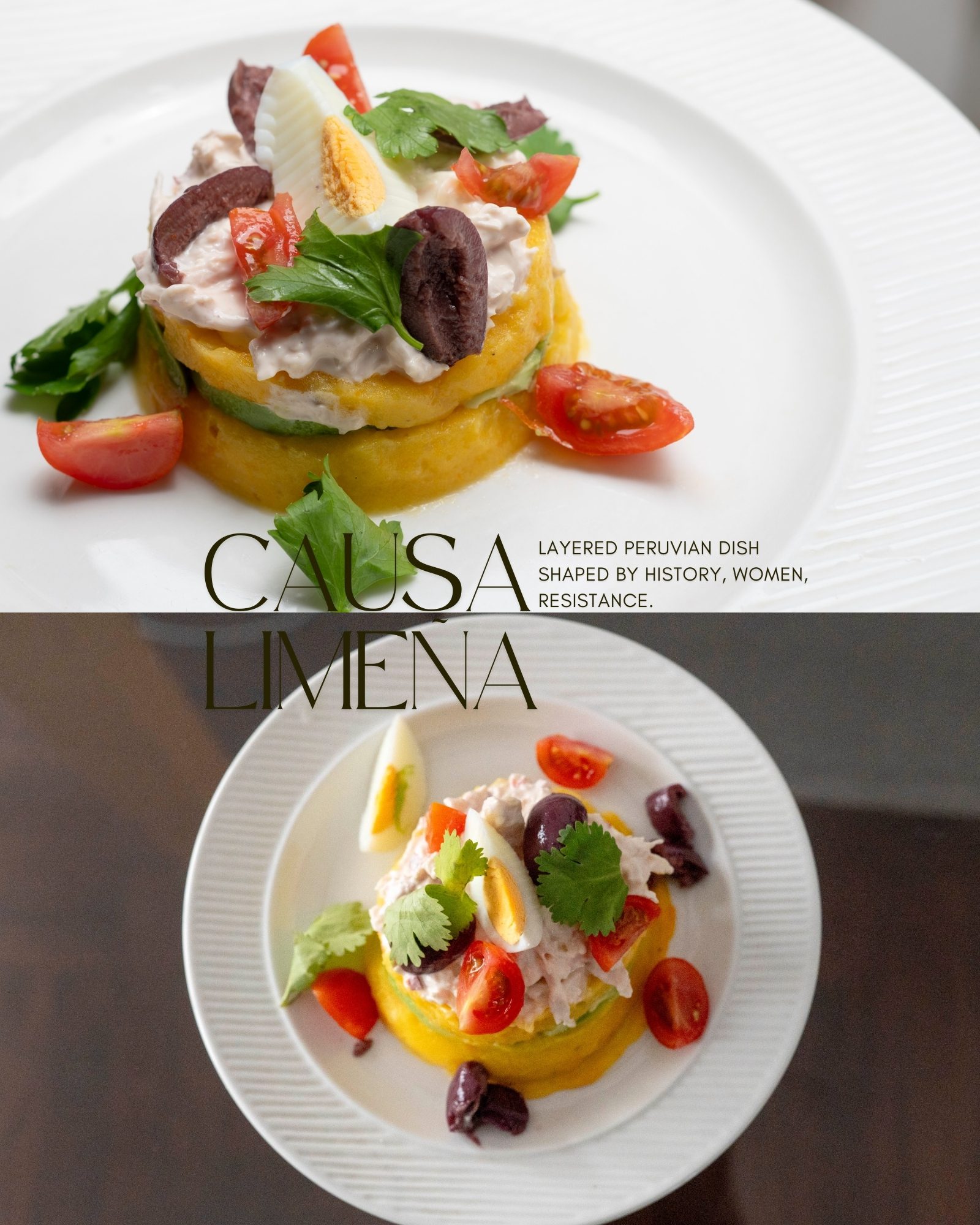
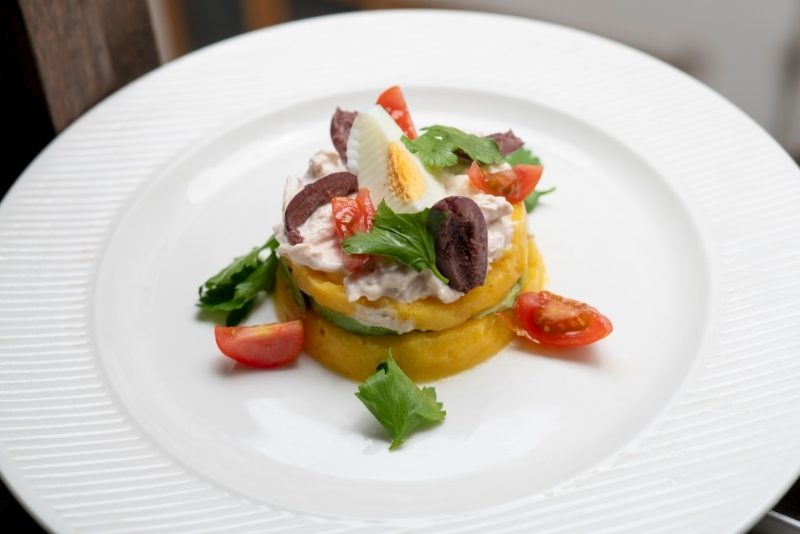
I use the word comfort quite a bit when I talk about food, but who would argue about just how comforting potatoes are? If you’ve ever eaten a well-made causa limeña, you know it’s one of those dishes that walks the line between elegance and comfort. Served cold, structurally breathtaking, with neat layers of creamy yellow potato, avocado, and a savory filling (often tuna, crab, or chicken salad. It arrives like a tidy little gift — bright, bold, and unmistakably Peruvian. But causa isn’t just a photogenic starter or a staple of modern Peruvian cuisine. It’s a dish loaded with history, meaning, and — depending on who you ask — revolution.
So where did this little tower of flavor come from?
Inka roots or wartime resistance? (Or both.)
One version of the story takes us back to the pre-Columbian Andes, where native potatoes were mashed with ají amarillo and salt — served with local fish or vegetables. In this version, causa was part of Inka daily life, eaten cold and handheld. Its name may derive from the Quechua word kausay, meaning “life” or “sustenance.” And honestly, could you argue with that?
A second version — and the one that has won over many Peruvians — links the dish to the War of the Pacific in the late 1800s. As the story goes, women along the coast began preparing and selling this potato-based dish to raise money for soldiers. They would sell it “por la causa” — for the cause. The name stuck. So did the layered presentation and the act of cooking not just to nourish, but to support something bigger.
Some historians question the neatness of that phrase-to-name transition. Others point out that both stories may be true — that causa evolved over time, with layers of meaning built in just like the dish itself. In either case, it’s a culinary symbol that blends heritage, creativity, and community.
Personally? I’m a bit partial to the feminist version.
There’s something powerful (and very familiar) about imagining women organizing around food — not just to feed their own families, but to support an entire movement. It’s a reminder that the kitchen has always been a site of resilience, resistance, and quiet power. That a simple combination of potatoes and ají could fund a fight for sovereignty says a lot about Peruvian cuisine and the people behind it.
Today, causa is served in high-end restaurants and humble homes alike. You’ll see mini causas with smoked trout, or versions layered with shrimp and avocado mousse. Some recipes more citrusy, others creamy. But they all echo that balance of brightness, structure, and substance. Causa is a dish with backbone — literally and metaphorically.
And yes, you’ll be making it with us in Peru
You know that we will definitely be perfecting the causa in one of our hands-on cooking classes during the Let’s Eat Peru tour. It’s not just because it’s beautiful (though it is), or delicious (definitely that too). It’s because it tells a story — one we want our guests to taste and understand.
In a country where ingredients carry ancestry and dishes are deeply tied to memory, causa is a perfect introduction to the layered magic of Peruvian cooking.
Want to try it at home? Our recipe is waiting for you.
Get the recipe for Causa Limeña below
Join us on the Let’s Eat Peru culinary vacation
Causa Limeña
Ingredients
- 6 Yellow Potatoes low-moisture variety
- 3 Tablespoons Oil
- 2 Lemons
- 250 Grams Chicken chicken breast 1 cup
- 3 Tablespoons Finely Chopped Onion
- 4 Tablespoons Aji Amarillo Paste yellow chili pepper paste
- 3 tablespoons Aji Mirasol Paste or red bell pepper paste
- 1/2 teaspoon Garlic Paste
- 1 Avocado
- Finely Chopped Cilantro to taste
- Finely Chopped Parsley to taste
- Hard-Boiled Egg optional
- Olives optional
- Salt and Pepper to taste
- 1/2 Teaspoon Oregano
Instructions
- In a pot, heat vegetable oil and sauté the garlic, onion, salt, and pepper. Add the ají mirasol paste and cook gently for a few minutes. Add the chopped chicken and cook through. Once cooked, stir in a bit of olive oil, parsley, and oregano. Set aside and let it cool.
- To make the aji amarillo paste, cook the aji amarillo pepper (yellow chili pepper) without the seeds with a little water until it becomes soft. Turn off the heat, let it cool, remove the skin, and then blend it into a paste using a blender.
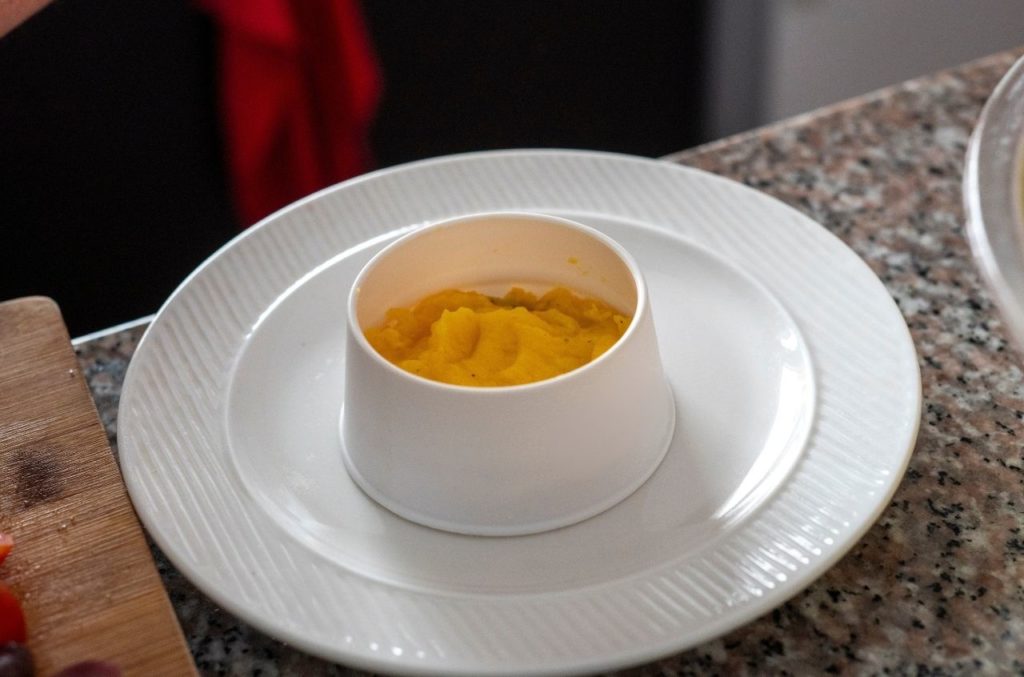
- After boiling the yellow potatoes in salted water, peel and mash them to form a uniform dough. Season the potato dough with salt, oil, aji amarillo paste, and freshly squeezed lemon juice. Make sure it forms a compact, non-watery mass.
- Have a greased ring mold ready to create a base layer of potatoes. Then proceed to cover it with the chicken, quinoa, and/or vegetable filling of your choice. Add a thin layer of sliced avocado. Finally, place the other half of the potato mass on top.
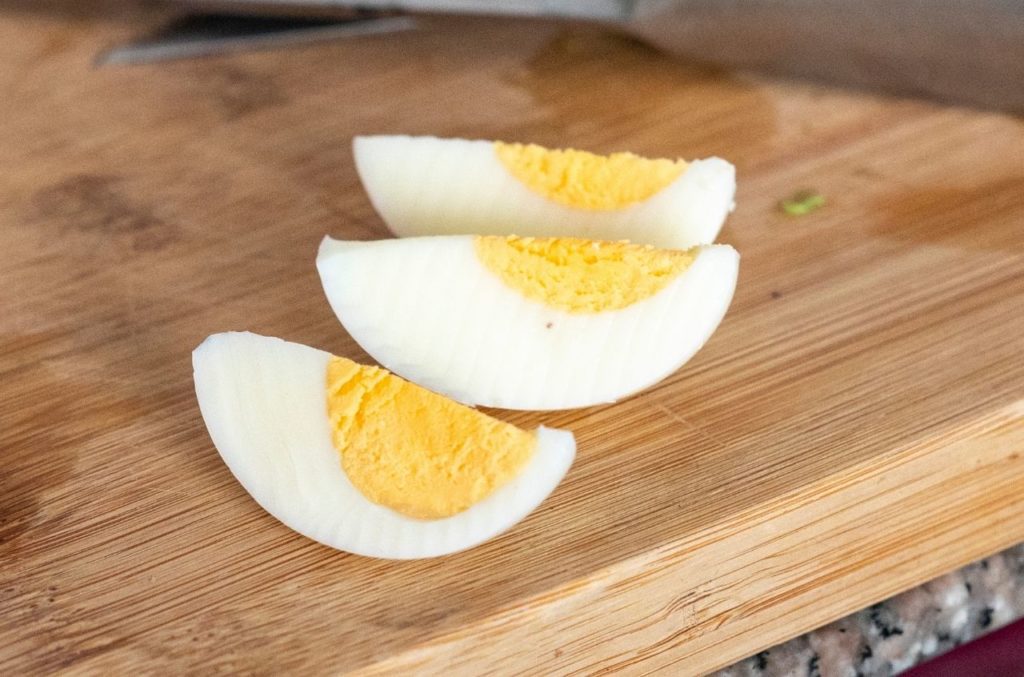
- Garnish with a dried aji pepper skin and some chopped parsley. You can also add olives and sliced hard-boiled eggs if desired.
- Enjoy your Causa Limeña!