
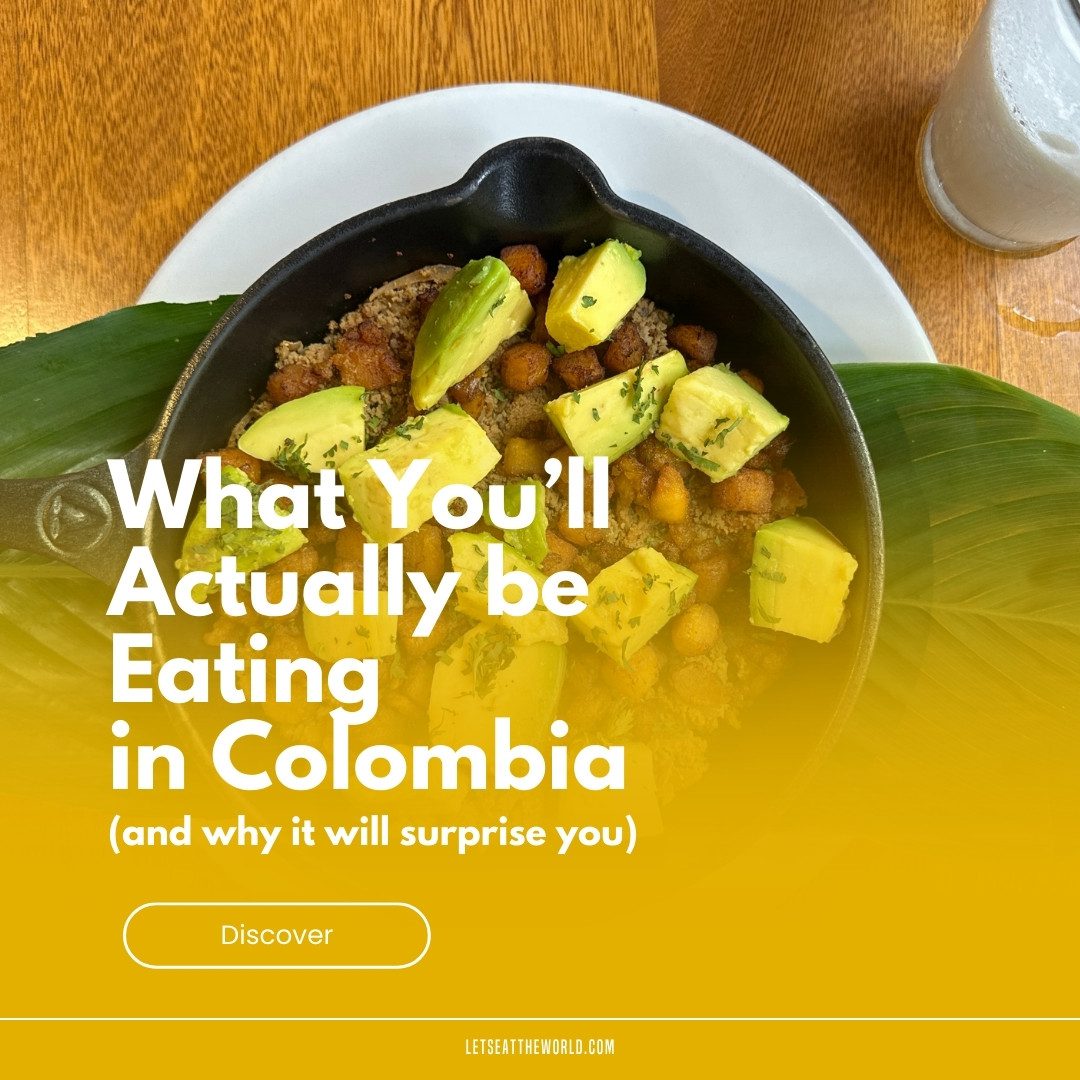
What You’ll Actually Eat in Colombia (And Why It Will Surprise You)
When people ask me what Colombian food is like, they usually expect an easy answer. But Colombia doesn’t serve easy answers. It serves sancocho simmered by a grandmother in Palenque. Offers tropical fruit you’ve never heard of, handed to you at a local market in Cartagena, and gives you coffee so fresh it might ruin your favorite barista back home.
This isn’t a greatest-hits tour of “Latin food.” It’s an invitation to taste Colombia’s depth and variety—and no, it’s not all spicy; it’s rarely that. The food is definitely one of the answers to the question, Why Visit Colombia? The magic lies in the layering of regions, traditions, and ingredients. Whether you’re planning a culinary vacation or simply curious about what real Colombian food looks like, this guide gives you a flavorful first bite.
On our Let’s Eat Colombia Tour, we explore the intersection of culture and food with big appetites and lots of local connections. Like all our Let’s Eat The World tours, it’s a relaxed, chef-curated way to get to know a place, through its flavors first.
Sancocho (Palenque-style)
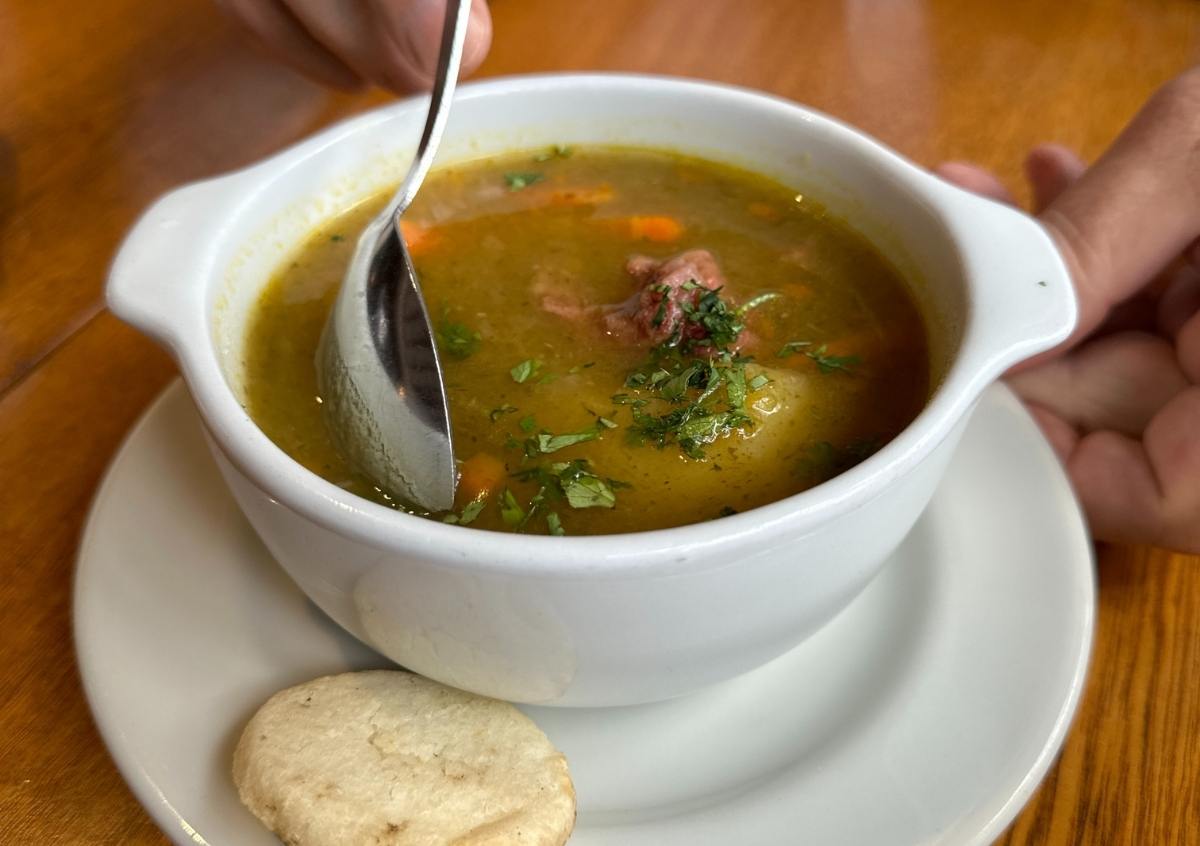
On our visit to San Basilio de Palenque, the first free Black town in the Americas, we don’t just learn history—we cook it. Over an open fire, you may be preparing alongside a local cook, sancocho: a brothy, soulful stew filled with root vegetables, plantains, chicken or fish, and the wisdom of generations.
Arepas—but not just one kind
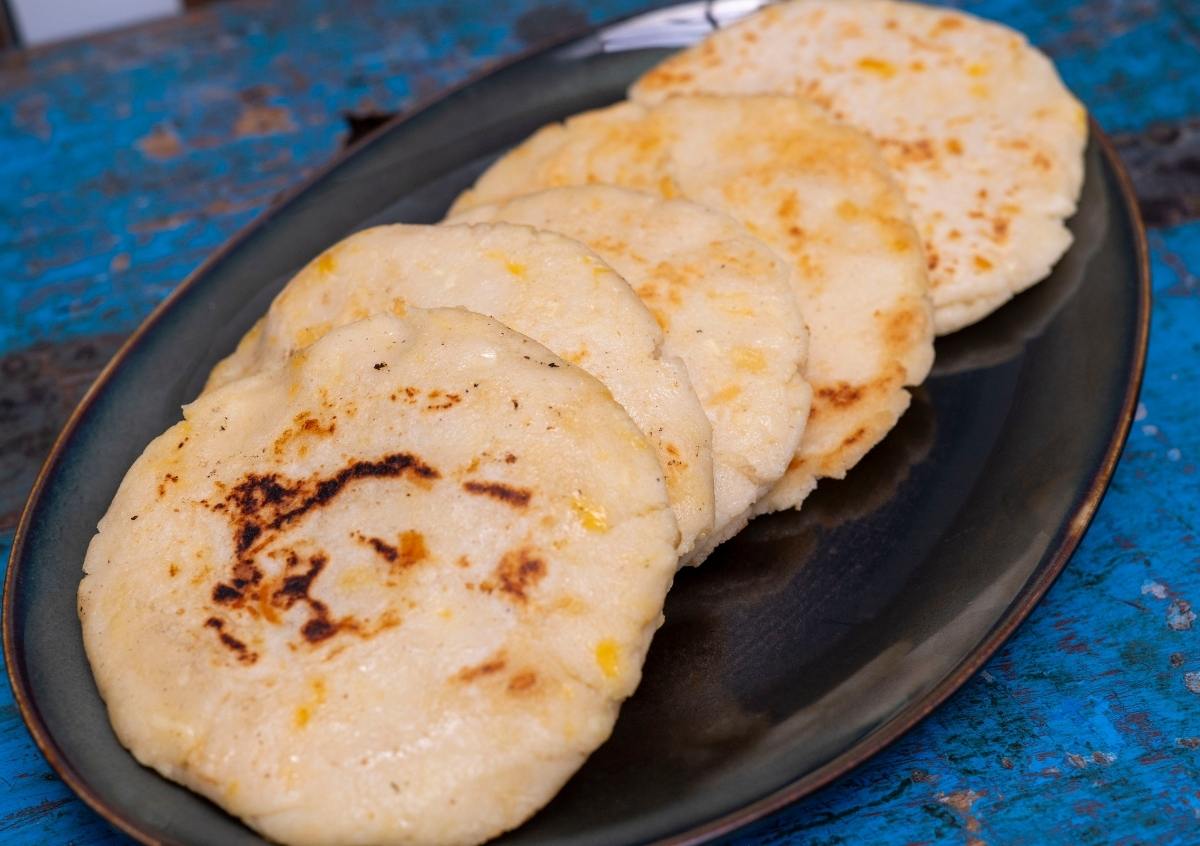
The arepa game in Colombia is deep. In Medellín, you might try arepa paisa—thinner, almost crisp. On the coast, arepa de huevo is the golden child: deep-fried, egg-filled, and totally addictive. And then there’s arepa de queso. You’ll find your favorite – or maybe three.
In Cartagena, look for these street food legends: the family in Plaza de San Diego who has been making arepa de huevo for over 50 years; the counter at Éxito San Diego with their chicharrón-filled arepas and spicy suero; and the yellow kiosk by the Torre del Reloj serving the city’s only known arepa de huevo trifásica—unusual, yes, but unforgettable. If you’d like to experiment at home, you can start with our Authentic Colombian Arepas Recipe.
Ajiaco
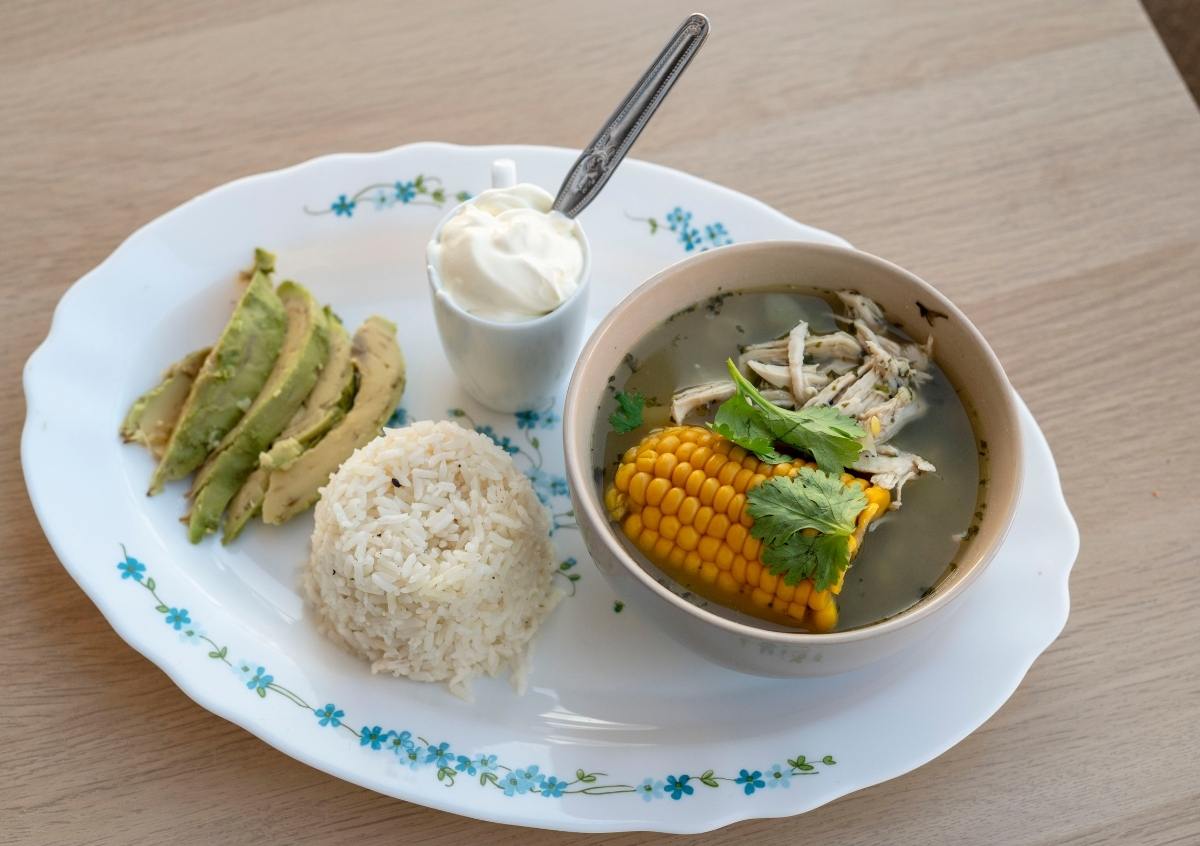
It’s a hearty soup made with three types of potatoes, corn on the cob, shredded chicken, and guasca—a Colombian herb with no easy substitute. We loved this dish so much that we shared it with subscribers to our mailing list. It’s elegant in its simplicity and rich in its flavor. You’ll see why it matters when you taste it—even in places like Ajiacos y Mondongos in Medellín, where the tradition lives on.
Coconut Rice (Arroz con Coco)
Served often alongside grilled fish in Cartagena, this dish tells a whole coastal story. The rice is cooked in coconut milk until it turns nutty and caramelized. It’s one of those things that seems simple, but never quite tastes the same outside of Colombia or even from one Colombian home to another. For an upscale take, Celele and La Cevichería offer unforgettable renditions of this coastal staple.
Street Snacks That Deserve a Whole Tour
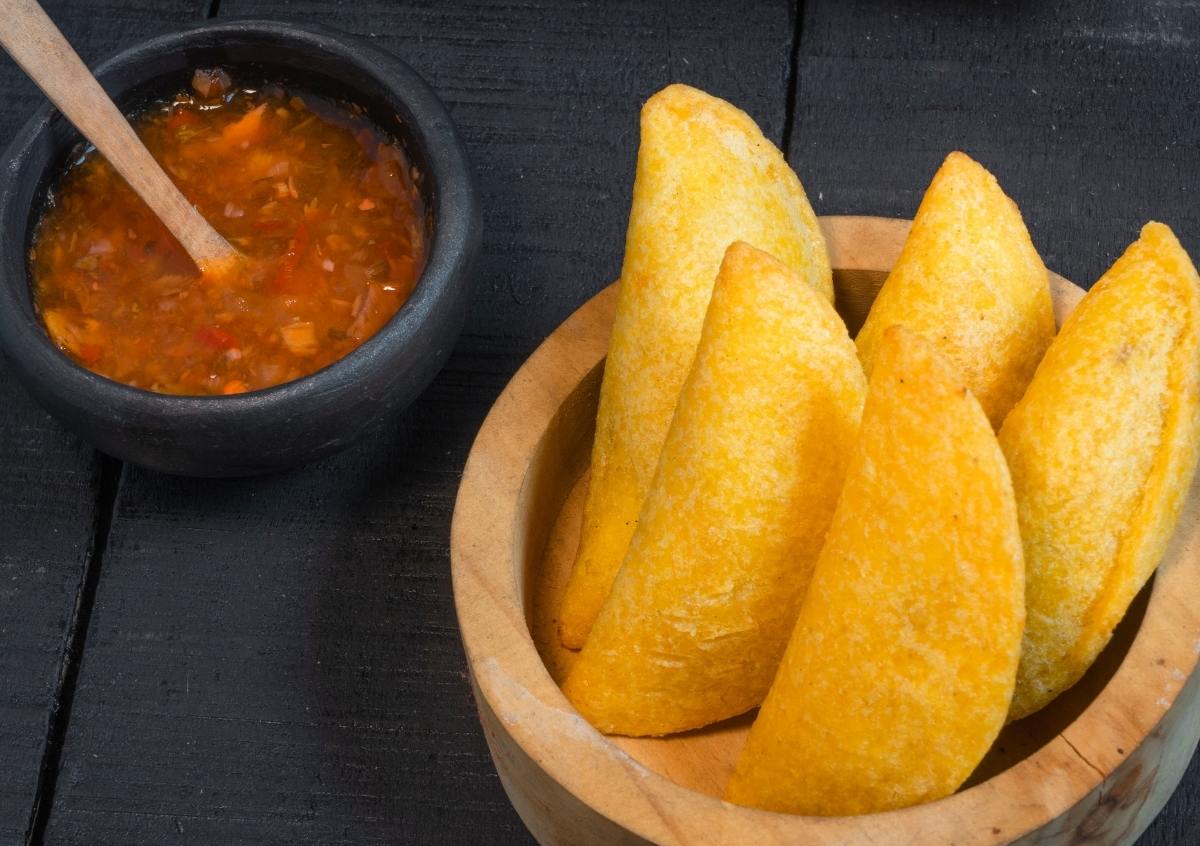
Fruit sliced into pyramids and sprinkled with lime and salt. Empanadas filled with meat or cheese, then fried until crisp—made with corn flour, not wheat flour. Almojábanas, buñuelos, obleas smeared with arequipe—the snack scene alone is worth packing elastic-waist pants. For full immersion, follow the aromas through Bazurto Market or stop by a corner stall for an empanada that will ruin you for all others. And if you’re ready to try them at home, we’ve shared our favorite Buñuelos Recipe.
Coffee at the Source
The heart of Colombian coffee isn’t found in trendy cafés, but in the fincas that dot the hills near Medellín, Salento, and beyond. Here, coffee is grown, harvested, roasted, and brewed by families who have been doing this for generations. Sipping a cup on-site—surrounded by the plants that gave it life—is an experience no import can replicate. To learn more about the stories and experiences behind a great cup, check out our post on Coffee at the Source: What You’ll Learn on a Colombian Coffee Farm. If you’re in the city, Urbania Coffee Roasters in Medellín captures that same bean-to-cup essence.
Bandeja Paisa
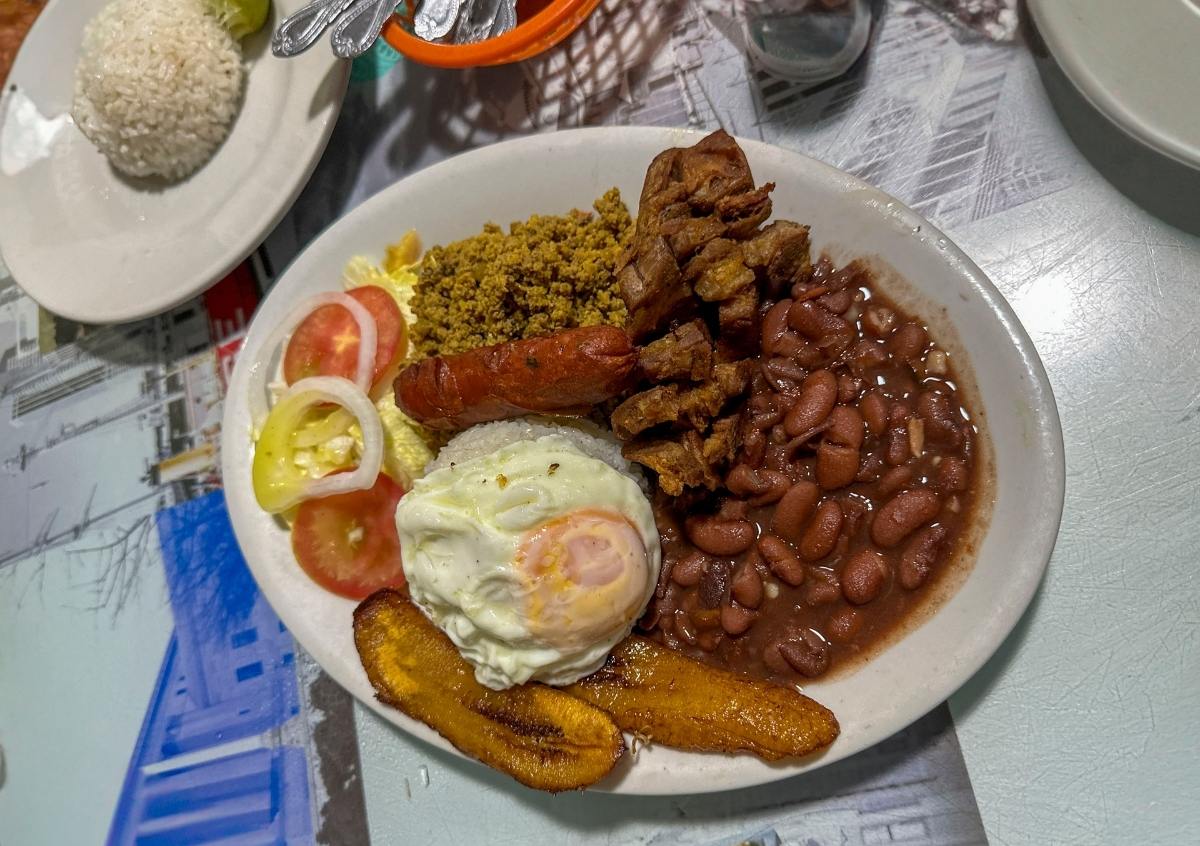
There’s no point talking about Colombian food without bringing up bandeja paisa. This is a platter that doesn’t hold back—grilled steak or pork belly, chorizo, red beans, white rice, fried plantains, avocado, a fried egg, and yes, an arepa too. It’s filling, rustic, and deeply Antioqueño. Restaurants like Hatoviejo or Restaurante Hacienda Junín showcase how Medellín proudly honors its culinary roots and have built their reputation on getting it right. Wash it all down with a delicious, freshly made glass of limonada de coco, and you are all set.
A Taste of Contemporary Colombian Cuisine
Colombia’s culinary future is being shaped right now in cities like Medellín, where chefs are blending tradition with innovation. Expect vibrant, seasonal dishes that nod to heritage without being bound by it. This modern approach to Colombian cooking deserves a spot alongside its most time-honored classics. Restaurants like El Cielo, Carmen, and OCI. Mde proves that Colombia’s food story is still being written—with bold, beautiful strokes. If you’re torn between city stops, our post Cartagena or Medellín: Which Colombian Food City Is Right for You, might help you decide.
A Few Tips for Eating Well in Colombia
-
If it looks like fruit you’ve never seen before, eat it.
-
Say yes to soup, even when it’s warm out.
-
Try the hot chocolate with cheese. Really, I’m not kidding.