
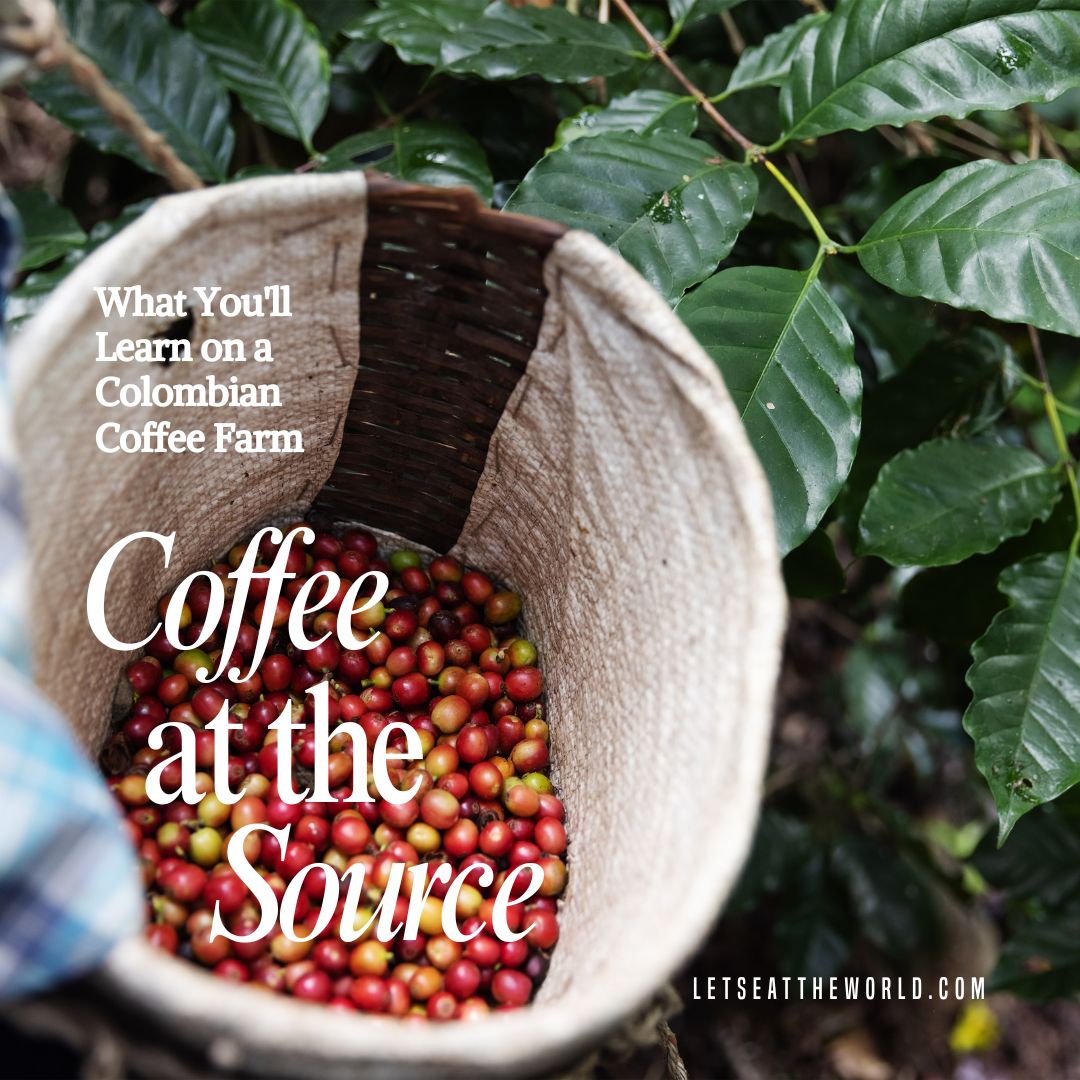
Coffee at the Source: What You’ll Learn on a Colombian Coffee Farm
It Started with a Mule and a Man
If you’re from North America, there’s a good chance your first idea of Colombian coffee came with the image of Juan Valdez — the smiling man in a straw hat, his loyal mule Conchita beside him, promising “100% Colombian Coffee.” Created in 1958 by Colombia’s National Coffee Federation, Juan Valdez wasn’t just a marketing gimmick. He was — and still is — a cultural symbol designed to spotlight Colombian growers and protect the country’s reputation for quality beans.
But beyond the ads and coffee shop chains, what does Colombia’s coffee story look like on the ground — especially in places like Medellín?
What Makes Colombian Coffee So Special?
Coffee may be one of Colombia’s most famous exports, but it’s far from the only reason to visit Colombia. But as we are talking about coffee, here are some things to note about Colombian coffee:
-
Colombia only grows Arabica beans, known for their smooth flavor.
-
The country’s high-altitude terrain, volcanic soil, and microclimates contribute to complex notes — think citrus, chocolate, floral.
-
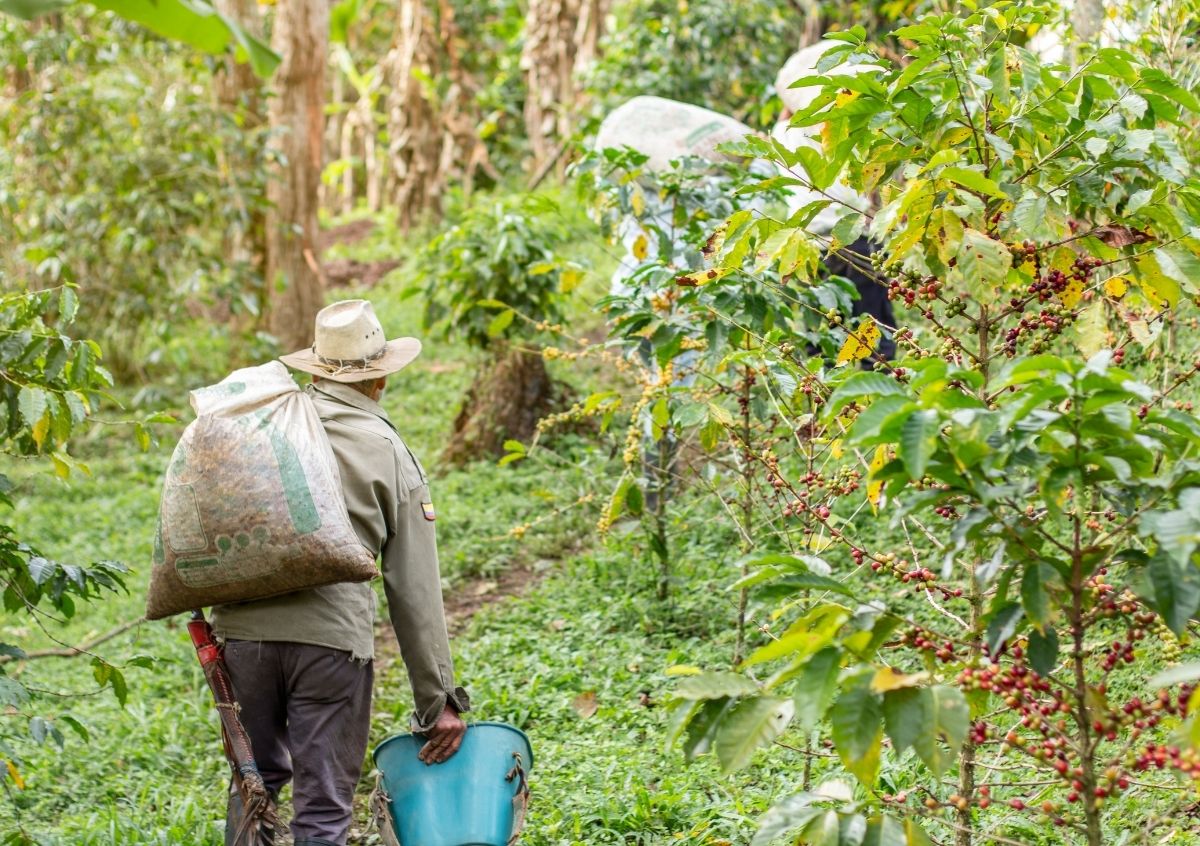
Coffee growing isn’t just agriculture here; it’s a heritage. Many farms are still small, family-run, and part of rural communities where every step — from picking to drying — is done with pride.
A Family Farm with Deep Roots
Just outside Medellín, on the city’s outskirts, you can still feel the legacy of the coffee-growing traditions that helped shape this region. One stop on our tour brings you to a small, family-run farm that’s been cultivating coffee for over 40 years.
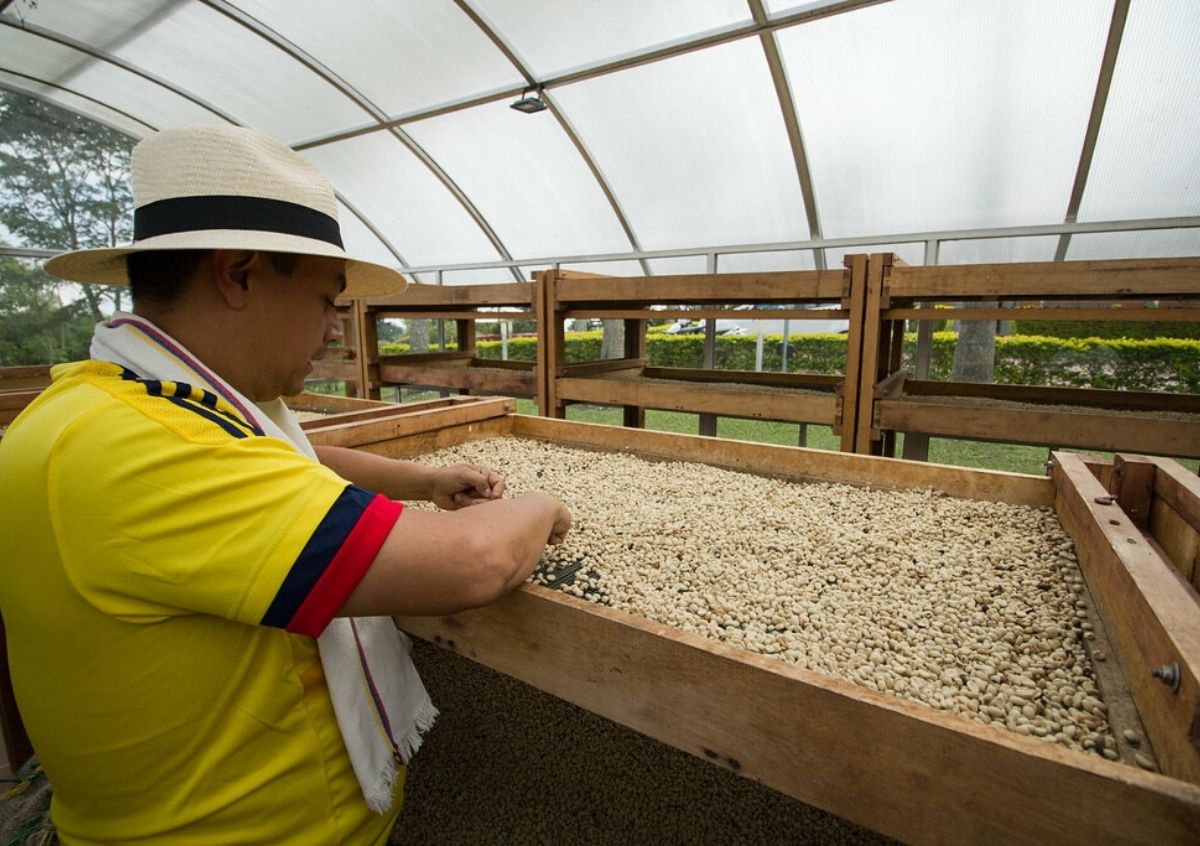
Known as an agroecological coffee observatory, this space isn’t just about production — it’s about education and sustainability. Certified organic, the farm leads guests through a 3-hour immersive experience that covers every stage of coffee, from the planting of the trees to the final pour into your cup.
You’ll walk through the trees, witness drying and roasting techniques, and learn how different filtering methods change flavor and mouthfeel. It’s informative, hands-on, and grounded in real life — no tourist gloss, just passion.
Comfortable footwear and lightweight layers make the experience more enjoyable — be sure to check back for our guide on how to pack for your culinary travel across Colombia.
And yes, before you leave, you’ll probably want to grab a pound of coffee to take home. Something about sipping it in your own kitchen will bring you right back to the hills of Antioquia.
Tasting Coffee Where It’s Grown
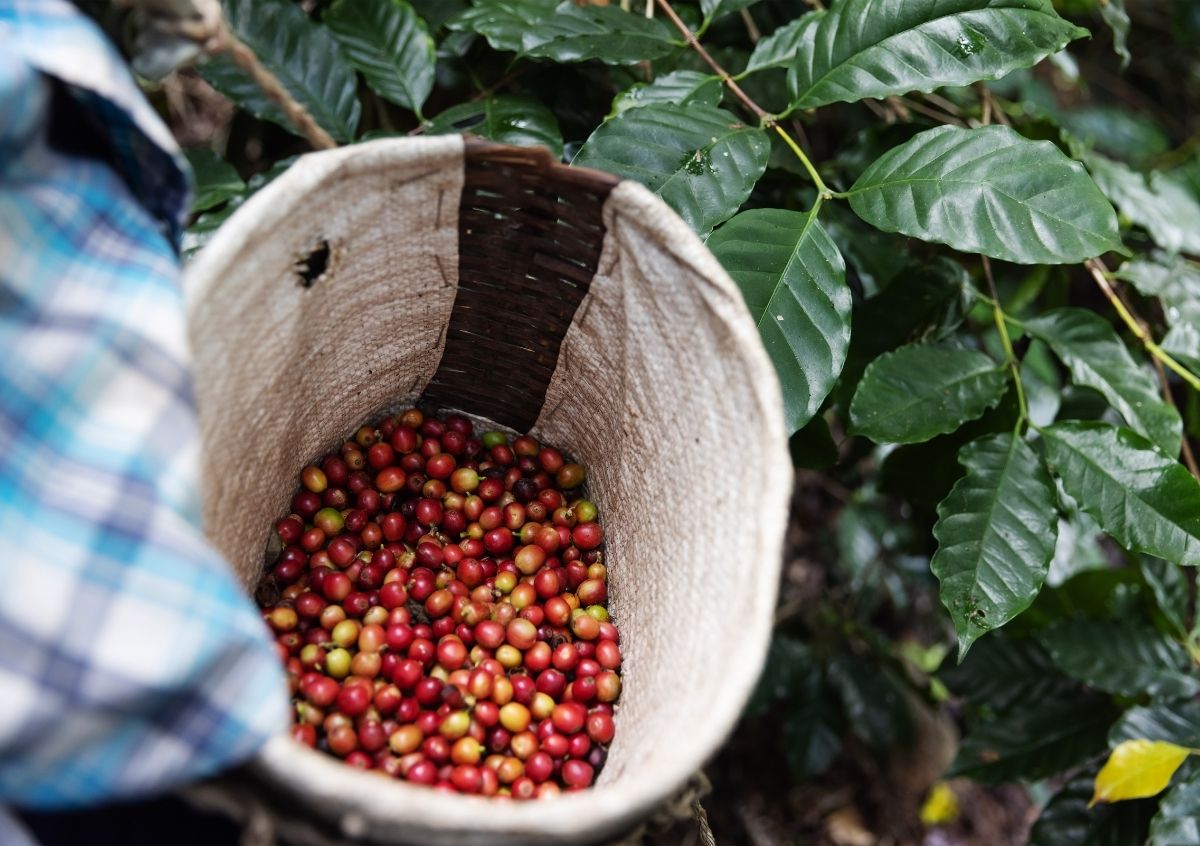
A highlight of many farm visits is a cupping session — a guided tasting where you learn to evaluate coffee like a professional. You might be surprised by how different two Colombian coffees can taste depending on elevation, process, and roast.
You’ll smell the ground beans, sip without sugar or milk, and notice hints of fruit, caramel, nuts, or florals. Even if you’re not a daily black coffee drinker, this kind of tasting slows you down — and maybe even changes your palate.
Why This Stop Matters to Let’s Eat Colombia
I’ll admit something: I’m not a coffee drinker. I’ve been known to order the occasional Café Machado in Seville, but I’m far more of a tea person. And yet, how could I possibly talk about Colombia without talking about el café?
Even if you don’t think of yourself as a coffee enthusiast, this experience is about more than a beverage. It’s about community, land, memory, and tradition. It’s about watching a process unfold that is deeply tied to Colombian identity. So even if you don’t crave caffeine, you might find yourself unexpectedly moved by the warmth of the people, the aroma of the roast, and the story behind every cup.
Our tour isn’t just about food. It’s about people, history, and the everyday rituals that connect us. We are deeply focused on understanding culture through food, and the drink is often just as important.
Visiting a coffee farm near Medellín is a chance to:
-
Support local farmers directly.
-
Understand the legacy behind one of Colombia’s most important exports.
-
See how climate, care, and community impact every sip.
And maybe, it’s a moment to reframe coffee from something you grab in a to-go cup to something you truly savor.
Learn more about the Let’s Eat The World: Let’s Eat Colombia culinary holiday — where flavors aren’t just tasted, they’re lived.
Where to Sip More in Medellín
If your palate is still buzzing after the farm tour, and you’re planning your coffee stops around meals or cocktails, you’ll find more inspiration in our local guide to where to eat and drink in Cartagena and Medellín. Here are a few of our suggestions to get that Colombian coffee fix.
-
Pergamino Café (Provenza & Laureles) – A pioneer in Colombian specialty coffee, known for great traceability, quality, and a relaxed, stylish vibe.
-
Algarabía Café (Laureles) – Featuring single-origin beans from southwestern Antioquia, served by passionate baristas.
-
Café Velvet (El Poblado) – A sleek European-style café with top-notch Colombian beans.
-
Rituales Café (Laureles) – A fair trade project working with farmers from the Cauca River Canyon — deep, rich flavors with a social mission.
-
Urbania Café (Multiple locations) – A social-impact café that’s ideal for working, relaxing, or meeting friends over a thoughtful cup.
Whether you’re a long-time lover of specialty coffee or just getting started, Medellín’s cafés let you continue the journey long after the farm.