What the World Owes to Peru: From Potatoes to Tomatoes
Take away the potato, and you’ve erased entire cuisines. Strip out the tomato, and say goodbye to your favorite pasta sauces, pizzas, and salsas. Without Peru, global gastronomy would be almost unrecognizable.
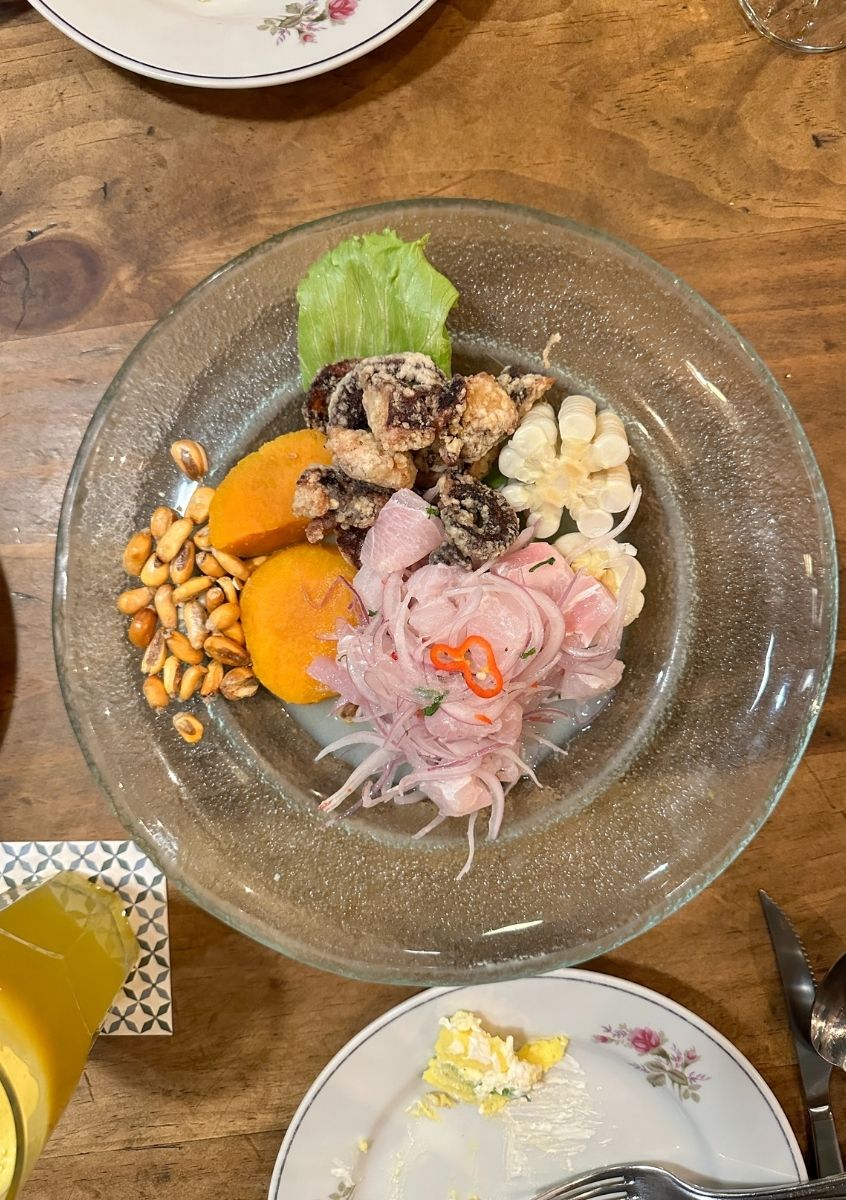
As food lovers and culinary travelers, we spend a lot of time focusing on where to eat and what to taste — but sometimes it’s worth stepping back to consider how the foods we now associate with Italy, France, India, or even Japan came to be. Peru doesn’t always get the credit it deserves, but the country is one of the world’s most powerful culinary influencers. And we’re not just talking about ceviche.
Peru’s Native Bounty: Feeding the World for Centuries
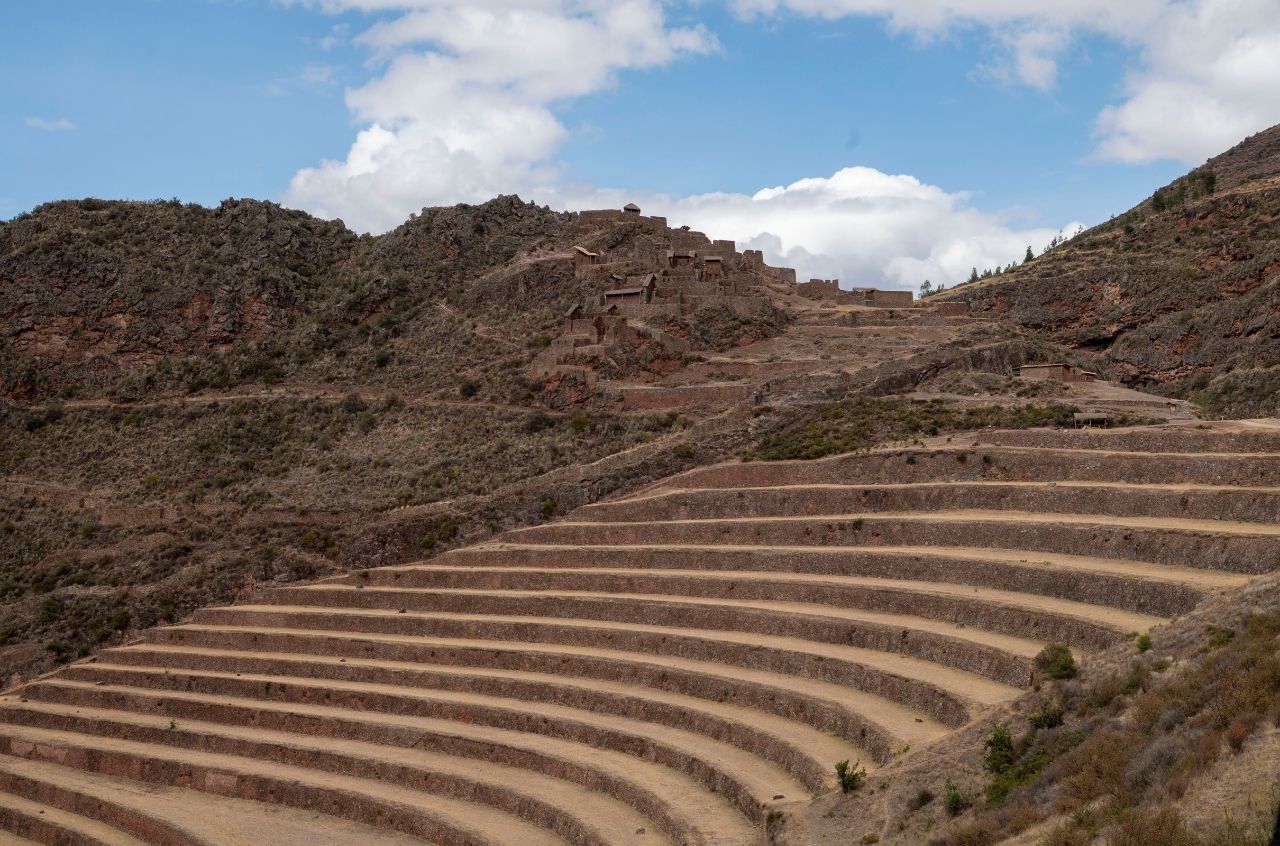
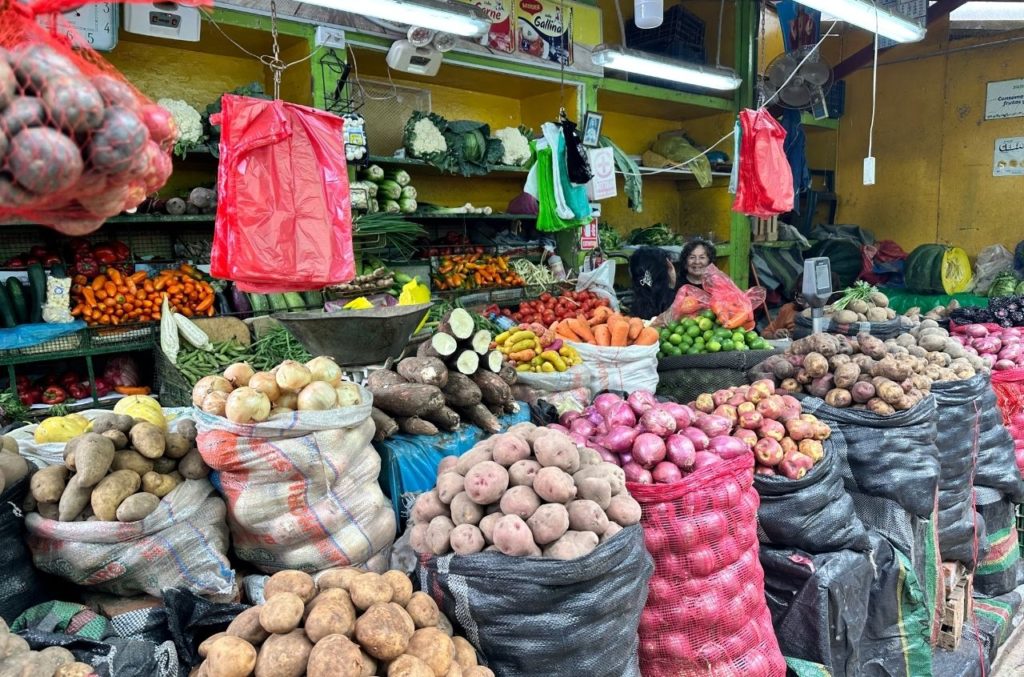
The Inca Empire cultivated over 3,000 varieties of potatoes — that’s not a typo — and engineered sophisticated agricultural terraces to farm them across diverse climates. These tubers weren’t just for local consumption; once they made their way to Europe post-16th century, they quite literally helped end food scarcity. Today, you can find Peruvian potatoes in nearly every grocery store, even if they’re labeled simply as “russet” or “fingerling.”
Then there’s quinoa, once sacred and still central to Andean cooking. It’s now a darling of health food circles from Brooklyn to Berlin, often described as a “superfood.” But in Peru, it’s part of ancestral diets and is still served in home kitchens from Lima to Lake Titicaca.
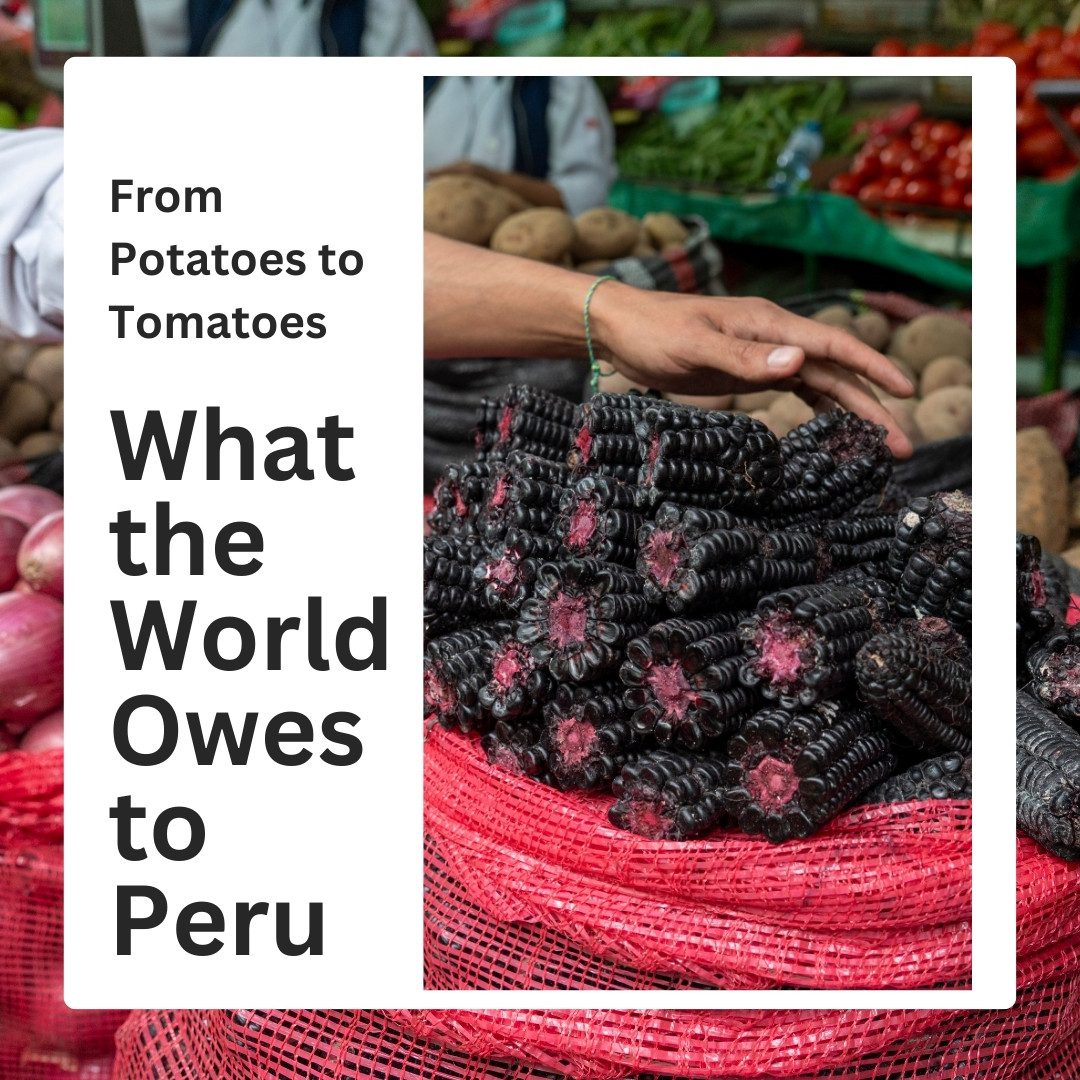
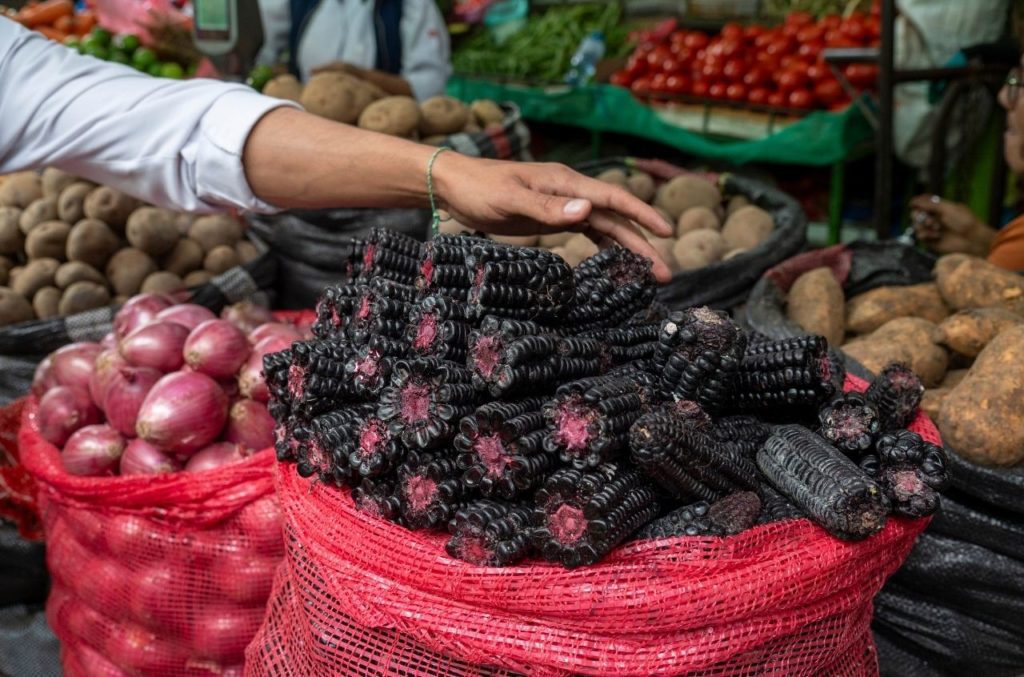
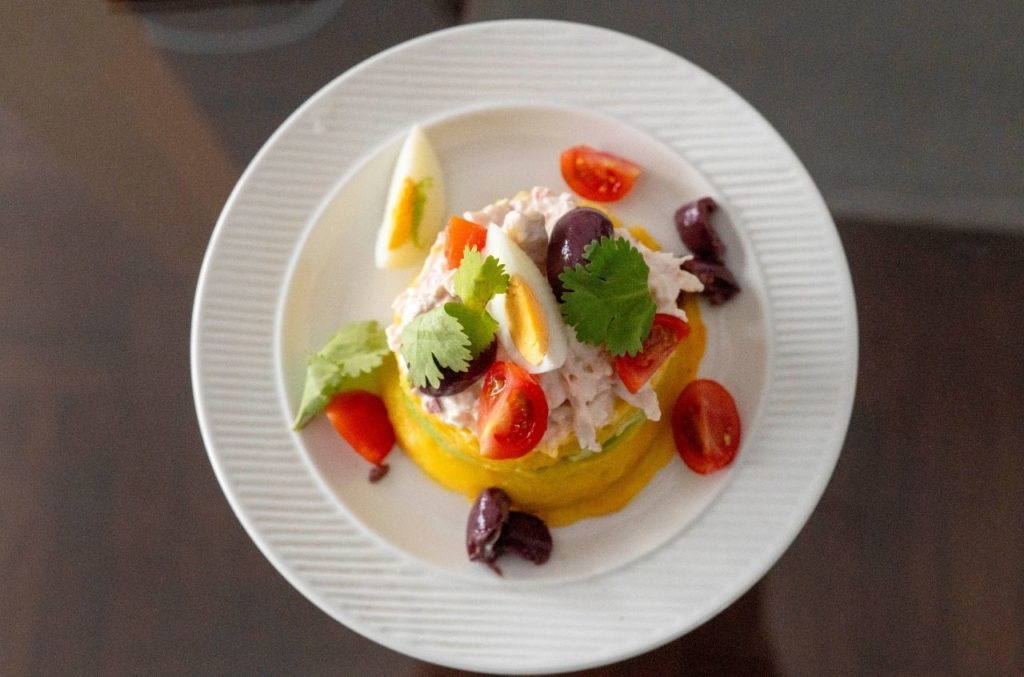
Corn? Peru’s got it in every shape and shade. White, yellow, purple, even jet-black. In Lima, I sipped a cool chicha morada — a non-alcoholic drink made from purple corn, spiced with cinnamon and clove — while watching school kids rush past street vendors selling tamales verdes wrapped in banana leaves. And let’s not forget ají peppers, the fiery foundation of Peruvian cuisine, influencing everything from rocoto relleno in Arequipa to creamy ají de gallina in Lima. Even causa limeña, with its bright layers and unexpected history, builds on these same essential ingredients — potato, lime, and ají amarillo.
Oh, and that tomato in your Italian marinara? Thank the Andes for that. It traveled from the Americas to Europe, changed its shape and color, and became indispensable to Mediterranean cuisine. So the next time we talk about Let’s Eat Parma, remember: it wouldn’t taste the same without Peru.
From Ancient to Avant-Garde
Modern Peruvian cuisine honors its roots while confidently experimenting. Chefs like Virgilio Martínez and Pía León are leading voices in gastronomic innovation, but they’re not just creating for show. They’re building on centuries of biodiverse knowledge. Our Let’s Eat Peru tour taps into this same principle — not flashy fine dining for the sake of it, but real food, real history, and real people.
During our 10-day journey, we take guests from Lima’s vibrant coastal markets to pisco vineyards in Ica, through Afro-Peruvian haciendas and sunset desert picnics that remind you that Peru’s landscape is as dramatic as its flavors. Each dish we prepare in class tells a story: of migration, of resistance, of adaptation.
Let’s Eat Peru — Join the tour
Why Culinary Travelers Should Pay Attention
Food is more than what’s on the plate. It’s what connects us to place, history, and one another. That’s why our guests will undoubtedly fall in love with Peru — not just because the meals are delicious (they are), but because the experience is grounded in something deeper. You begin to understand what we mean by Understanding Culture Through Food.
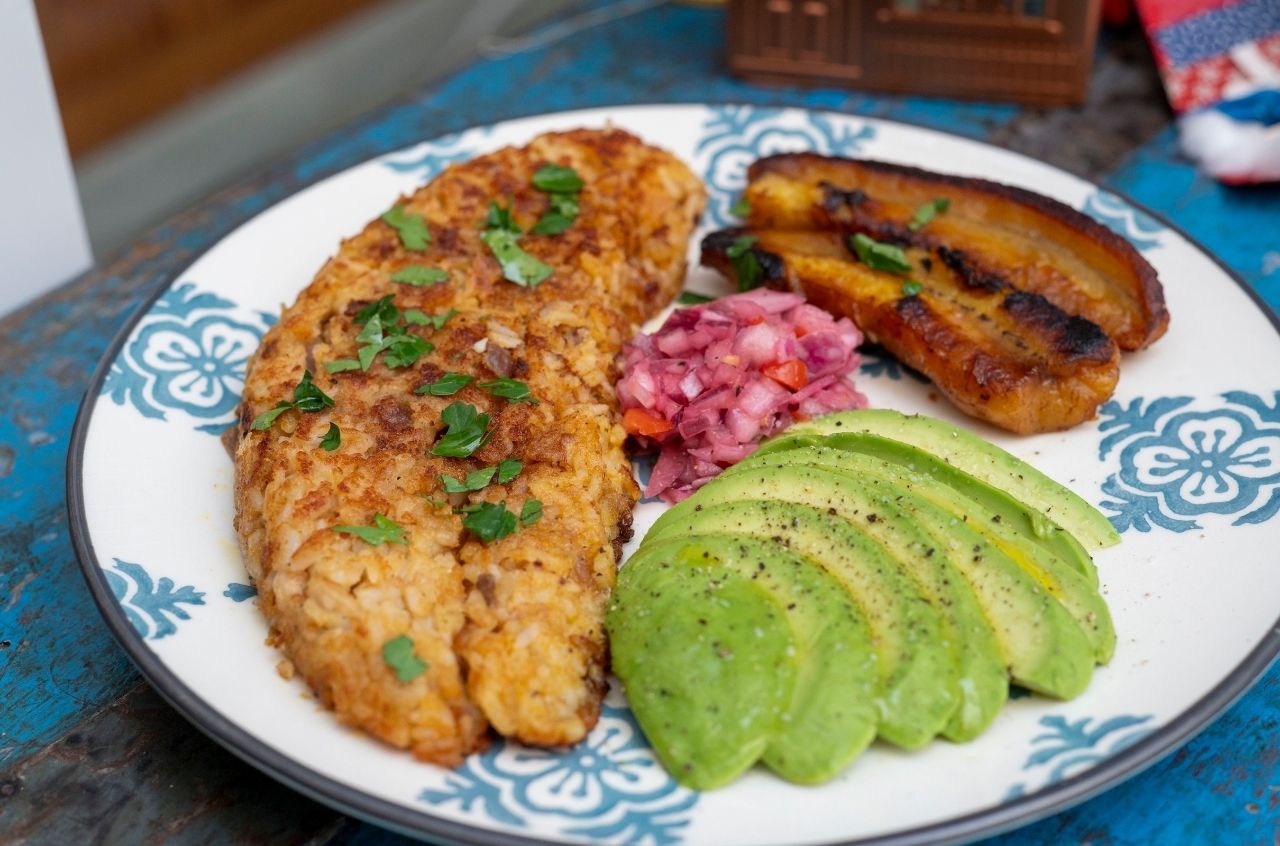
And if you’re a traveler who’s already followed us through France or Spain, this tour may surprise you. It’s not as class-heavy as Uzès or Seville, but the culinary thread is just as strong. From market hauls in Barranco to cooking alongside Afro-Peruvian cooks in Chincha, you’ll discover how the kitchen becomes a place of kinship. Dishes like tacu tacu, born from leftovers and history, are reminders of the deep cultural layers in everyday Peruvian food.
Peru’s impact on global cuisine isn’t a footnote — it’s foundational. And with every bite, we’re reminded how interconnected the culinary world really is.