
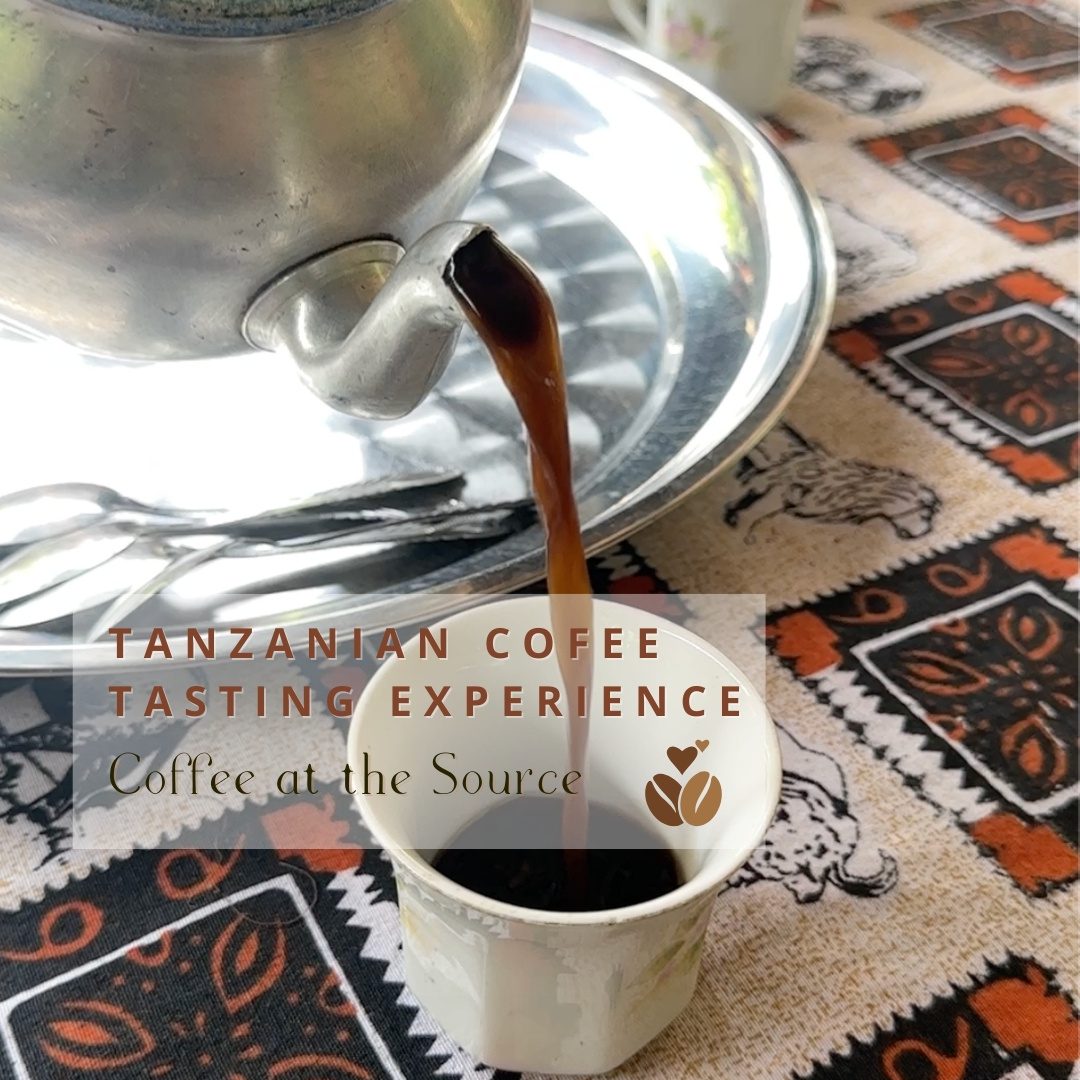
Tanzanian coffee tasting experience Kilimanjaro: Coffee at the Source
Why Tanzanian Coffee Tells a Bigger Story
I wouldn’t call myself a coffee fanatic. I drink it more often now that I live in Spain — usually out at a café, more for the pause than the caffeine. But I know when coffee is good, and I know plenty of people who can’t start their day without it. Still, nothing I’ve experienced before compares to the moment we headed up into the foothills of Mount Kilimanjaro for a Tanzanian coffee tasting experience. We roasted coffee with members of the Chagga community, just outside Moshi. But it was more than just about coffee. It was about the rhythm, the tradition, and the welcome behind it all.
Where Coffee Meets Culture (and Economics)
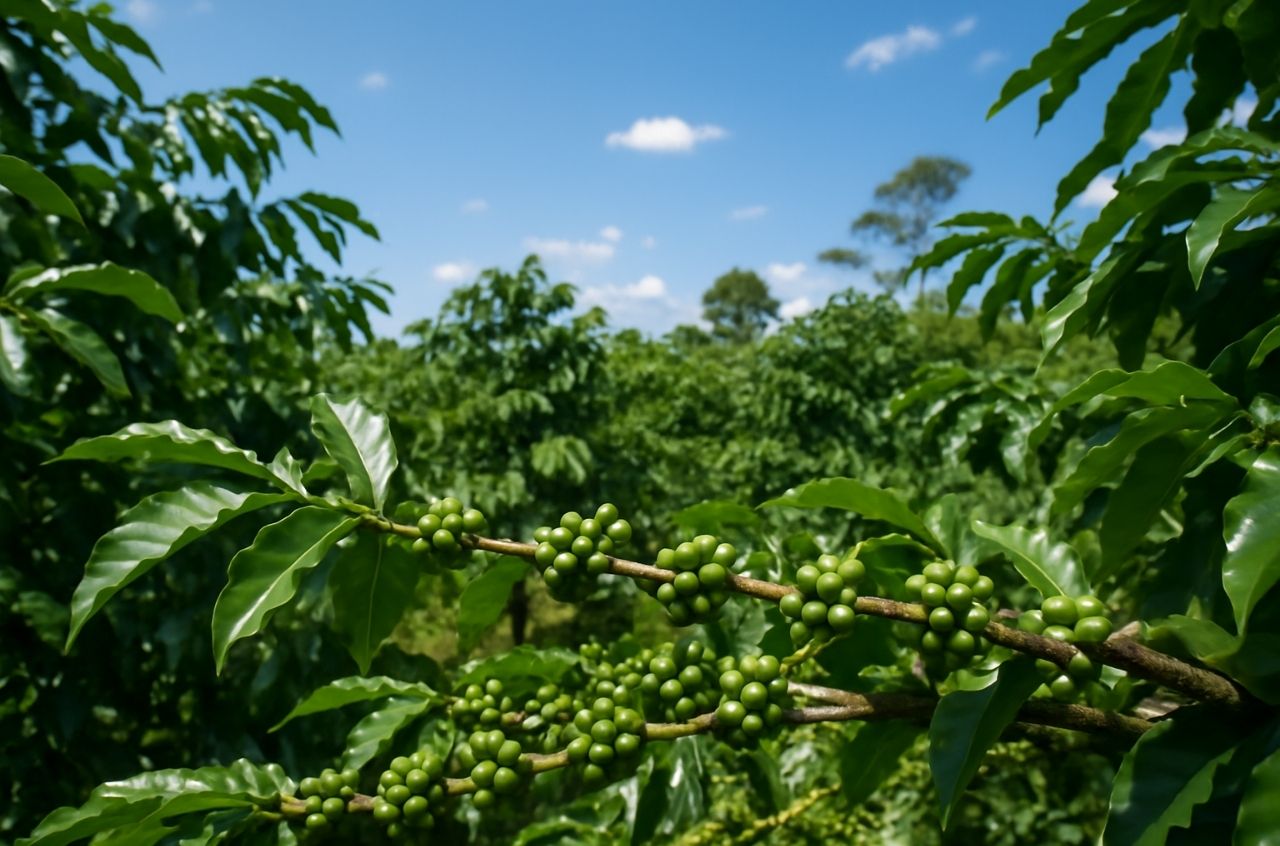
Coffee is Tanzania’s most valuable export crop, averaging between 30,000 and 40,000 metric tons per year, with 70% Arabica and 30% Robusta. The main coffee-producing regions include Kilimanjaro and Arusha in the north, and Mbeya, Morogoro, and Ruvuma in the south. Smallholder farmers grow 90% of Tanzanian coffee, making it a vital livelihood for millions of families.¹.
Tanzania ranks as the fourth-largest coffee producer in Africa, exporting approximately 1.35 million 60-kg bags annually to countries like Japan, Italy, and the United States².
But coffee here is more than an export — it’s a daily practice rooted in community. And like many things on the Let’s Eat Tanzania tour, it’s the meaning behind the moment that makes it unforgettable.
Roasting with the Chagga: A Ritual, Not Just a Demo
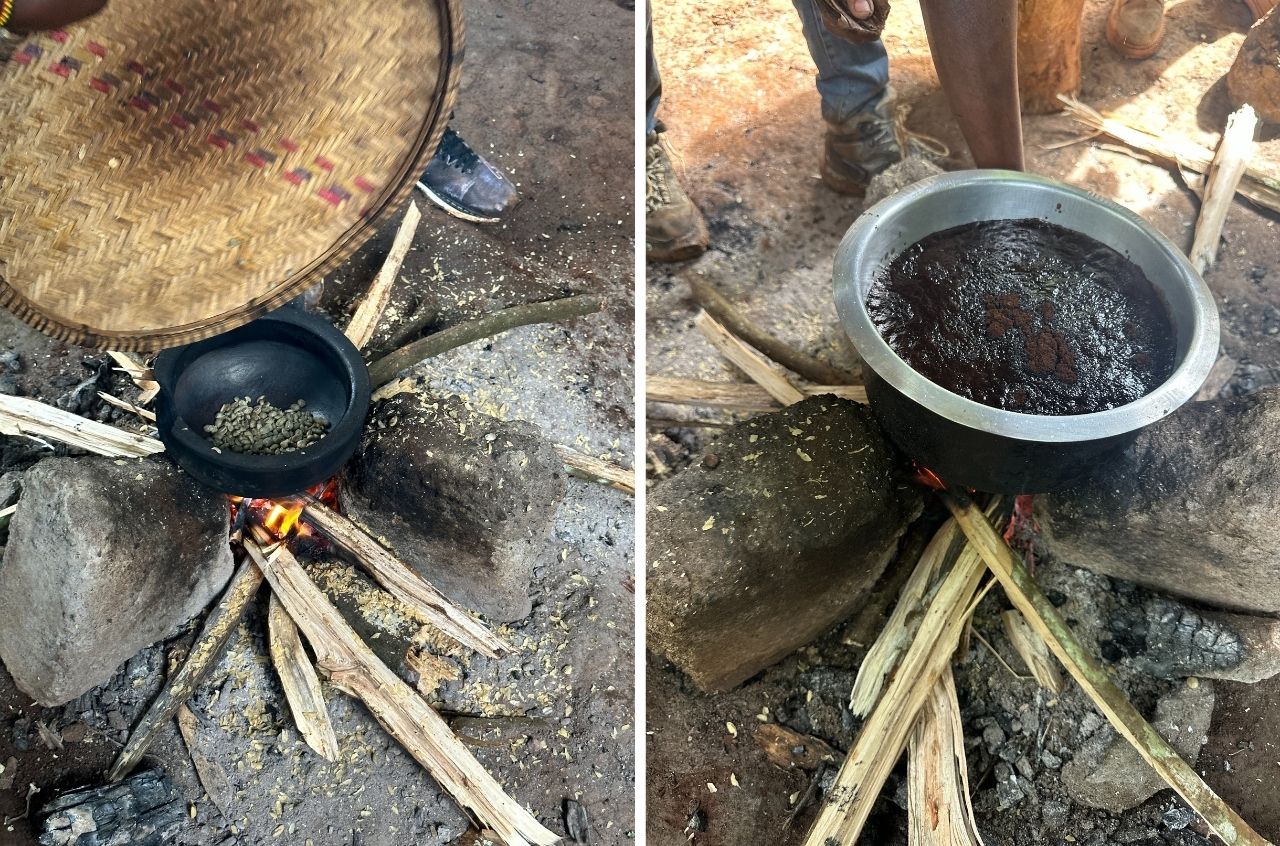
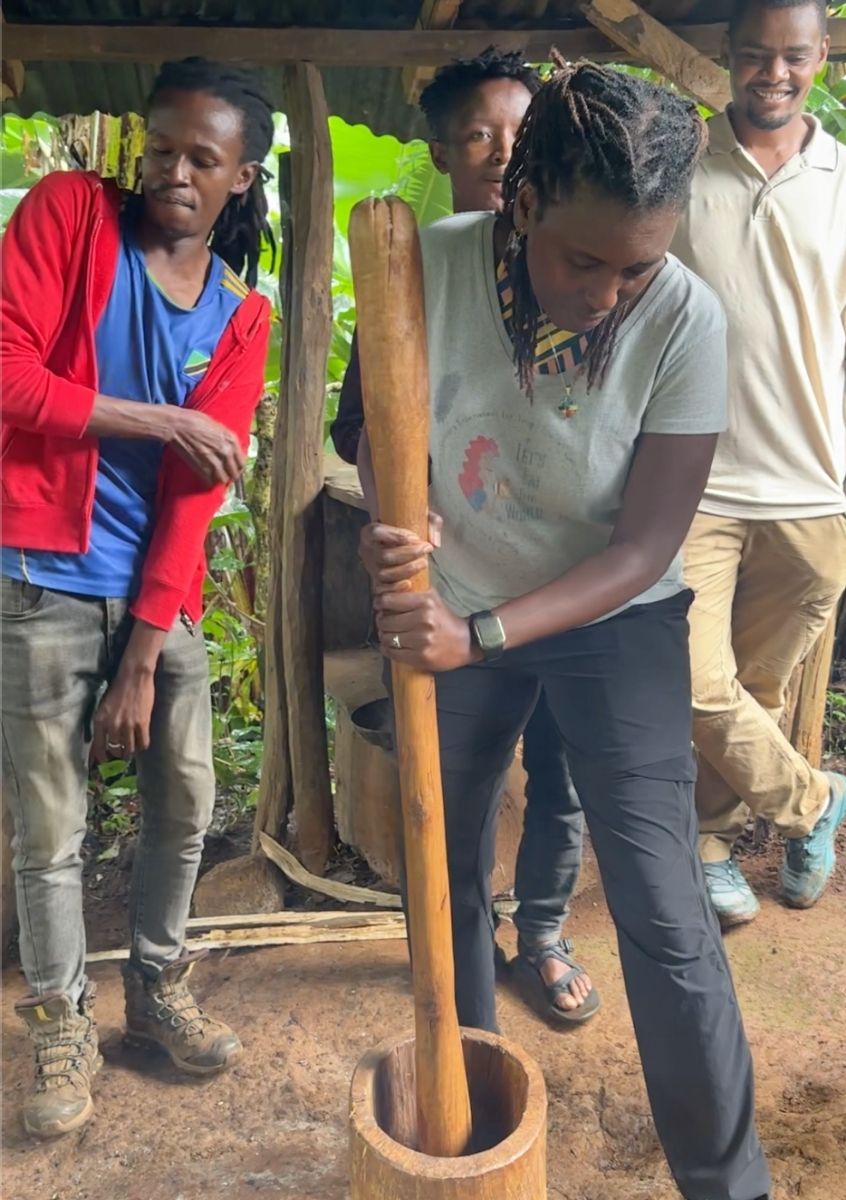
We weren’t just standing around watching someone stir beans. The men from the Chagga community led us through the coffee preparation, guiding us step by step — with song, dance, and laughter woven in. This wasn’t performance for performance’s sake. It was tradition. Joyful, rhythmic, and deeply rooted.
And we weren’t bystanders. We were invited to participate — to sort, roast, and stir the beans by hand, the traditional way. It wasn’t a perfected performance. It was a moment of shared energy.
Let’s be clear: this isn’t something exclusive to our group. Others offer similar experiences with the Chagga. But what we encourage is something different — real participation. We invite our guests to be curious, respectful, and open. To ask questions, listen, and go deeper than just the cup.
Because this isn’t just about coffee. It’s about culture.
“Travelers are often surprised to see how much work goes into a single cup—from planting and harvesting to roasting by hand over a fire. Seeing that process changes how people think about something they drink every day.”
— Joshua Philbert
You don’t need to be a coffee obsessive to feel that shift. Participating in the ritual gives you a whole new appreciation for what freshly brewed coffee really means — and the hands, voices, and stories that bring it to life.
From Bean to Cup (And the Meaning in Between)
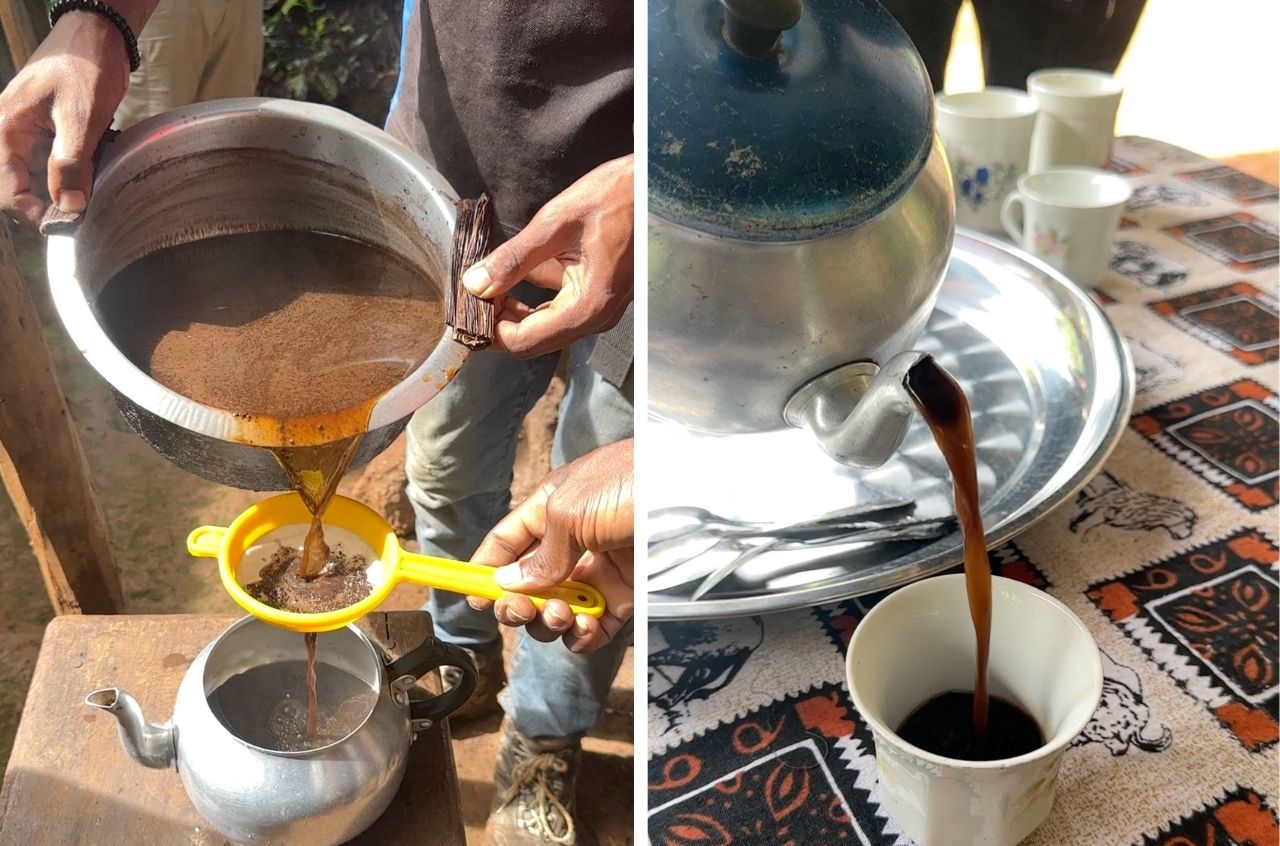
This is what coffee looks like before it’s cleaned and processed, and sealed in foil pouches. Before it gets paired with hashtags and latte art.
It’s earthy and strong, just like Joshua prefers it. And when it comes straight from a small family farm, roasted minutes before you sip it, it carries something more than flavor. It carries context, effort, and a sense of place.
We drank it slowly. Because somehow, speeding through it didn’t feel right.
Suppose you’re wondering how coffee fits into the broader culinary landscape of Tanzania. In that case, you’ll find it mentioned in What You’ll Really Be Eating in Tanzania — where banana stews and coconut curries stand alongside your morning cup.
A Brewing Crisis: Climate Change and Coffee’s Future
Tanzania’s coffee industry — like many around the world — is already seeing the effects of climate change. Warming nighttime temperatures, unpredictable rainfall, and prolonged dry seasons are threatening yields in key growing regions like Kilimanjaro and Mbeya³.
Experts warn that, without adaptive farming practices like agroforestry, intercropping, and shade tree cultivation, Tanzanian coffee production could drop dramatically by 2060⁴. This matters not just for taste, but for livelihoods.
When you sip a cup from a local farm, you’re tasting not only the terroir, but a product made increasingly fragile by the planet’s changing rhythms.
Why This Isn’t Just a Coffee Break
We didn’t include this Tanzanian coffee tasting experience in Kilimanjaro in the tour because we needed to fill a morning. We included it because it tells you something essential about the values behind Let’s Eat Tanzania.
It’s not just about what you taste. It’s about how it’s made, who you’re with, and what you’re learning along the way.
Even if you’re not a daily coffee drinker, this moment lingers. Not because of the caffeine, but because of the care.
Because in the end, it’s not just about what’s in the cup.
It’s about who poured it. And why.
Experience coffee at the source. See what else is brewing on the Let’s Eat Tanzania tour.