
What You’ll Really Be Eating in Tanzania
to(And Why It Might Just Be the Most Memorable Food You’ve Never Tried)
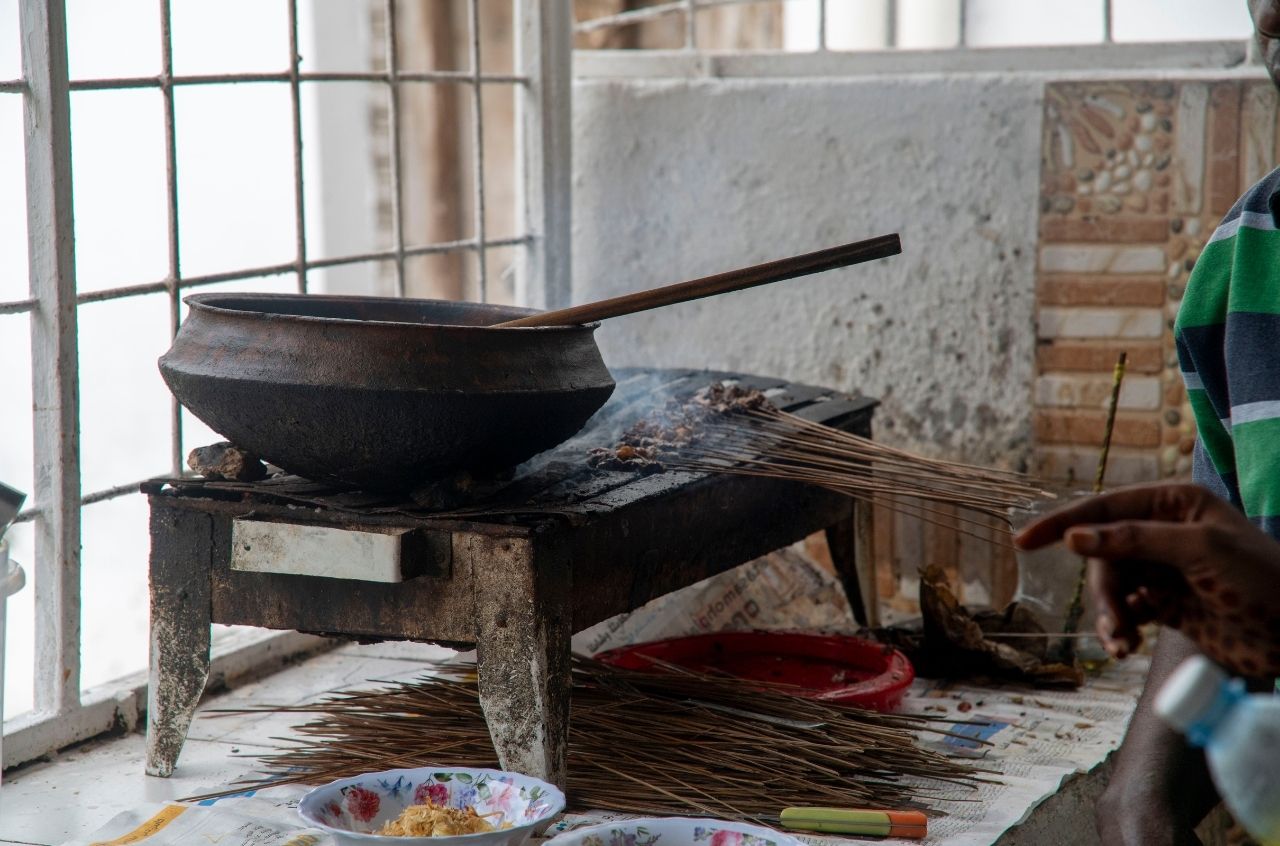
When people think about Tanzania, food is rarely the first thing that comes to mind. Safaris, yes. Beaches, definitely. But the food? Often unknown — or worse, underestimated. But let me tell you something:
The food in Tanzania is delicious. It’s soulful, nourishing, regionally diverse, and full of subtle surprises. And that’s exactly why it’s the heart of our tour.
As someone who creates culinary journeys for a living — and as a passionate eater — I wouldn’t run a tour where the food wasn’t a joy in itself. So if you’re wondering what you’ll actually be eating on the Let’s Eat Tanzania tour, here’s a taste of Tanzanian food travelers should try.
A Hearty Welcome in the North: Moshi & Arusha
Our journey begins in the shadow of Mount Kilimanjaro, where we’re welcomed with dishes that feel like comfort food, even if you’ve never tasted them before.
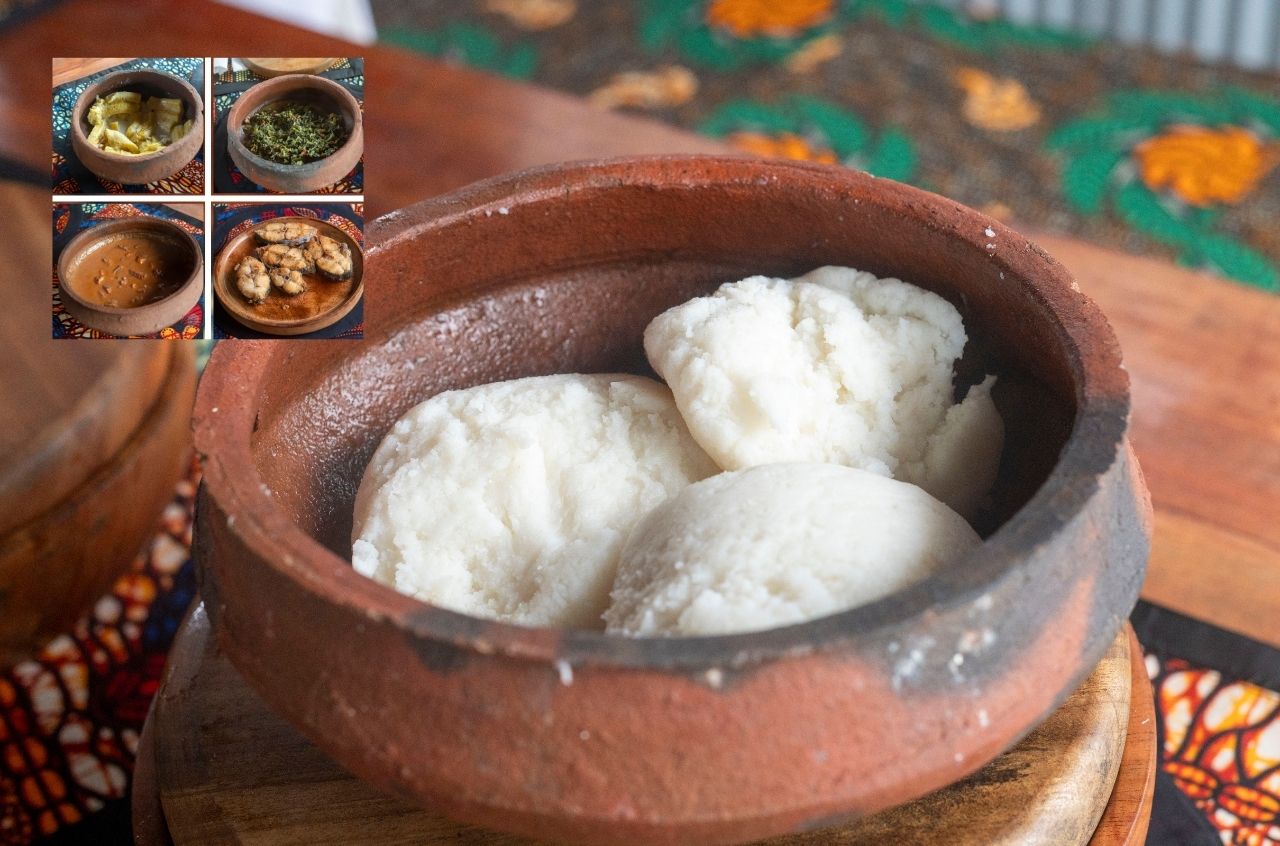
One of the standouts is machalari, a banana and beef stew from the Chagga people. The bananas used here aren’t sweet — they’re starchy, similar to plantains — and they absorb the richness of the slow-cooked meat beautifully. It’s not flashy. It’s home.
“These dishes aren’t just food; they’re memories, stories, and connections passed down through generations.”
— Joshua Philbert, Let’s Eat Tanzania guide and local partner
You’ll also encounter maize-based staples like ugali — Tanzania’s answer to polenta — typically eaten with your hands, used to scoop up flavorful stews and sautéed greens. For some guests, it’s unfamiliar at first. But that first tentative bite usually gives way to seconds.
“There’s something deeply grounding about it… When you pair it with a rich stew or flavorful sauce, it becomes more than just food — it becomes a way to eat together, to slow down, to share.”
— Joshua
We cook some of these dishes together — yes, there are aprons. But even when we’re not actively cooking, the food experience remains interactive. You’ll find yourself talking to vendors, smelling spices, and hearing how ingredients tie into family rituals and daily life.
Zanzibar: Where the Spice Trade Meets the Sea
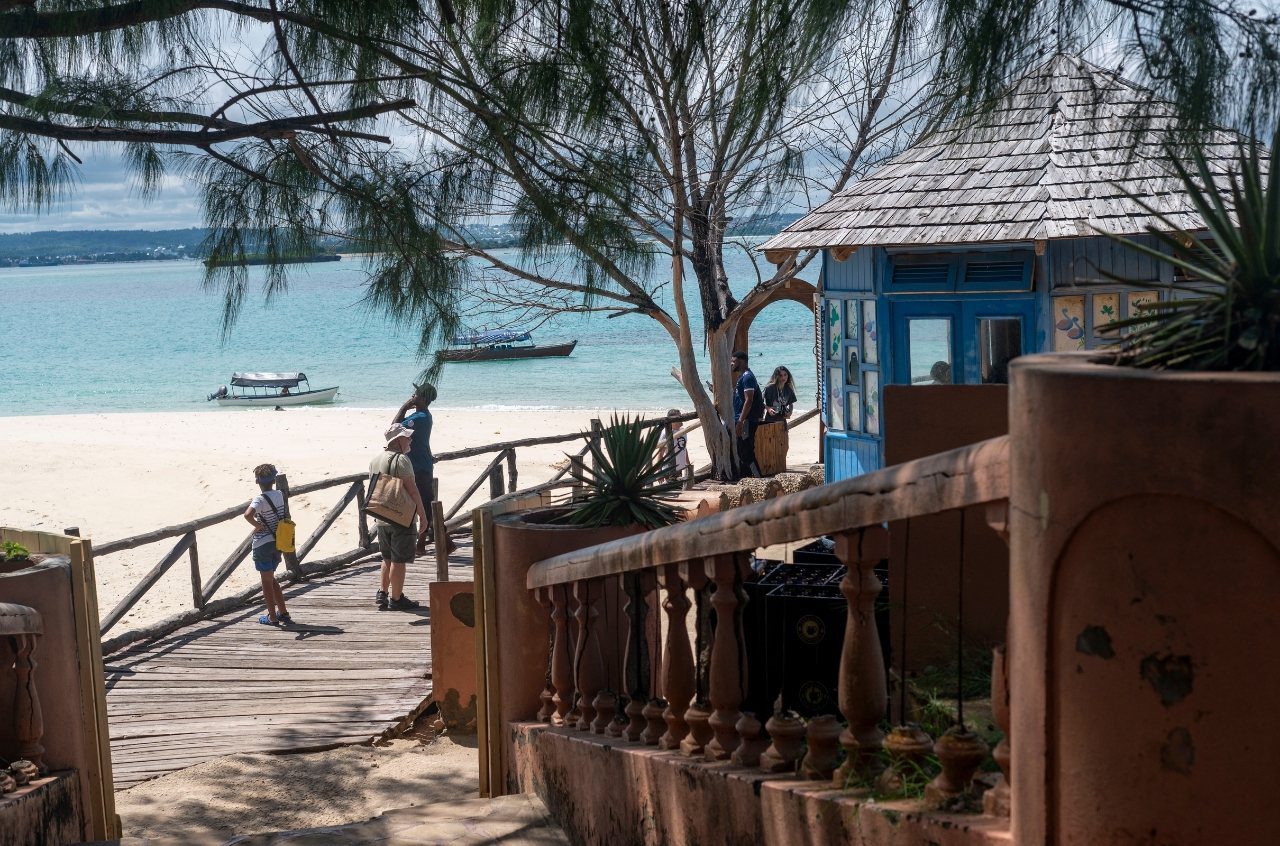
Once we reach Zanzibar, everything shifts. The air smells different. The markets buzz with life — fresh-caught fish, piles of octopus, and mountains of spices laid out like treasure. This is the Swahili coast, and its food reflects centuries of migration and trade — African, Arab, Indian.
Here, you’ll taste:
- Pilau spiced rice
- Grilled seafood, pulled straight from the ocean
- Curries enriched with coconut milk
- Tropical fruits so ripe they nearly peel themselves
“Swahili cuisine is warm, aromatic—not necessarily spicy—but full of layers. It reflects movement, history, and a deep sense of place.”
— Joshua
The so-called “spice farm” we visit is really more of a living museum. Guided by Masoud, who brings humor, clarity, and personal warmth, we explore a collection of spices many of us thought we knew — until we saw them growing from the earth. More on Zanzibar’s spice culture here.
Clove. Cinnamon. Turmeric. Nutmeg. We smelled them and recognized them instantly, but couldn’t always name them. There’s a strange pause that happens when something so familiar is suddenly out of context.
Masoud didn’t just point out what was what — he explained the uses of each spice in local cooking, and more surprisingly, their healing properties. What to chew for a sore throat. Which herbs steep for stomach pain. What to add to oil for headaches.
It reminded me how much tradition lives in the everyday — and how easy it is to forget that, especially when you’re used to picking up your spices in glass jars and cardboard tins.
Bonus for the Queen fans: Zanzibar is also the birthplace of Freddie Mercury. You’ll find a small but fascinating museum dedicated to his early life here — just one more reason this island has more stories than postcards give it credit for.
And of Course… Coffee
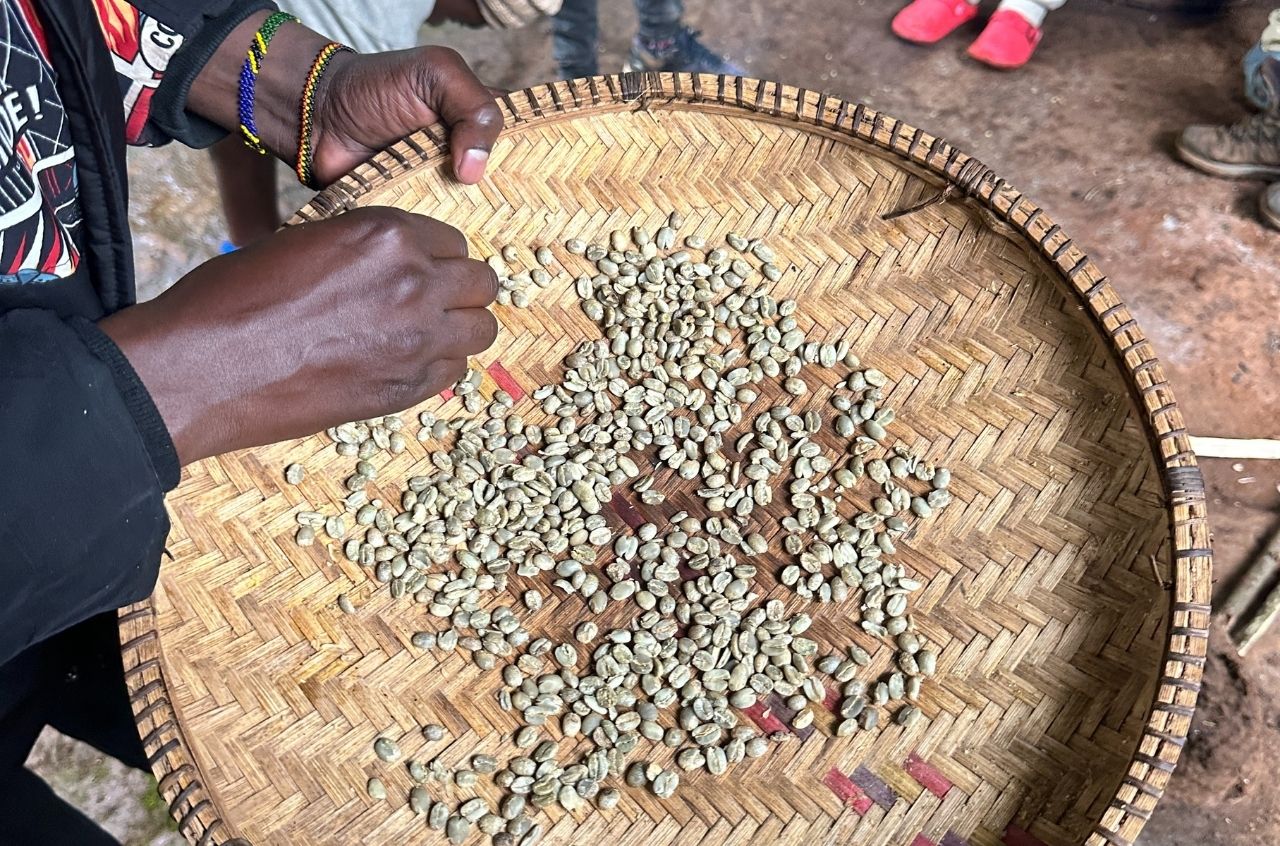
We couldn’t talk about Tanzanian food without mentioning its coffee culture, especially in the north near Moshi. On this tour, you don’t just drink it — you help roast it over an open fire, crack the beans by hand, and taste it the way it’s meant to be tasted: strong, earthy, and shared. Read the full experience.
“It’s not just about drinking coffee — it’s about gathering, sharing, and taking a moment together.”
— Joshua
🌍 A Tour of Flavors, Not Just Dishes
Tanzania is not one flavor profile. It’s many.
- Moshi and Arusha lean into maize, beans, bananas, and meat
- Zanzibar leans coastal, coconut-rich, and spice-forward
- Even how you eat can vary — with hands, with bread, with customs that say: “You’re part of this now”
You won’t find foams or fussy plating here. But you will find depth, balance, and an invitation to slow down and taste.
And for the curious: yes, dietary needs can be accommodated. Please let us know ahead of time, and we’ll ensure you’re well-fed and happy. That’s part of hospitality — and that’s something Tanzanians do exceptionally well.
Come Hungry for More Than Just Food
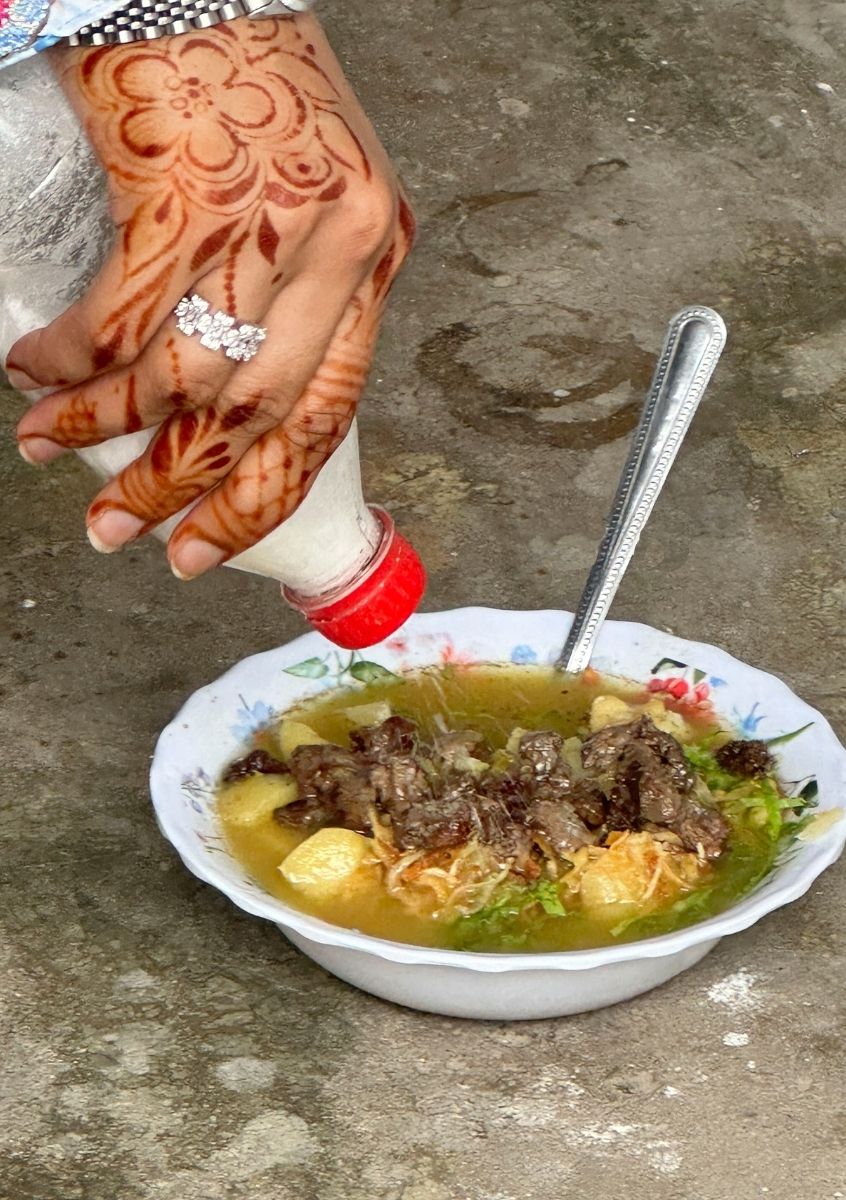
We’ve designed Let’s Eat Tanzania so that the meals are never just a pause between activities — they are the experience. From street food in Arusha to banana stew on the foothills of Kilimanjaro, to spice-soaked rice in Zanzibar, this is not a tour where you’ll go hungry — or forget what you ate.
If you’re wondering how perceptions of Tanzanian food are shaped — and sometimes misinformed, this might offer a little insight.