
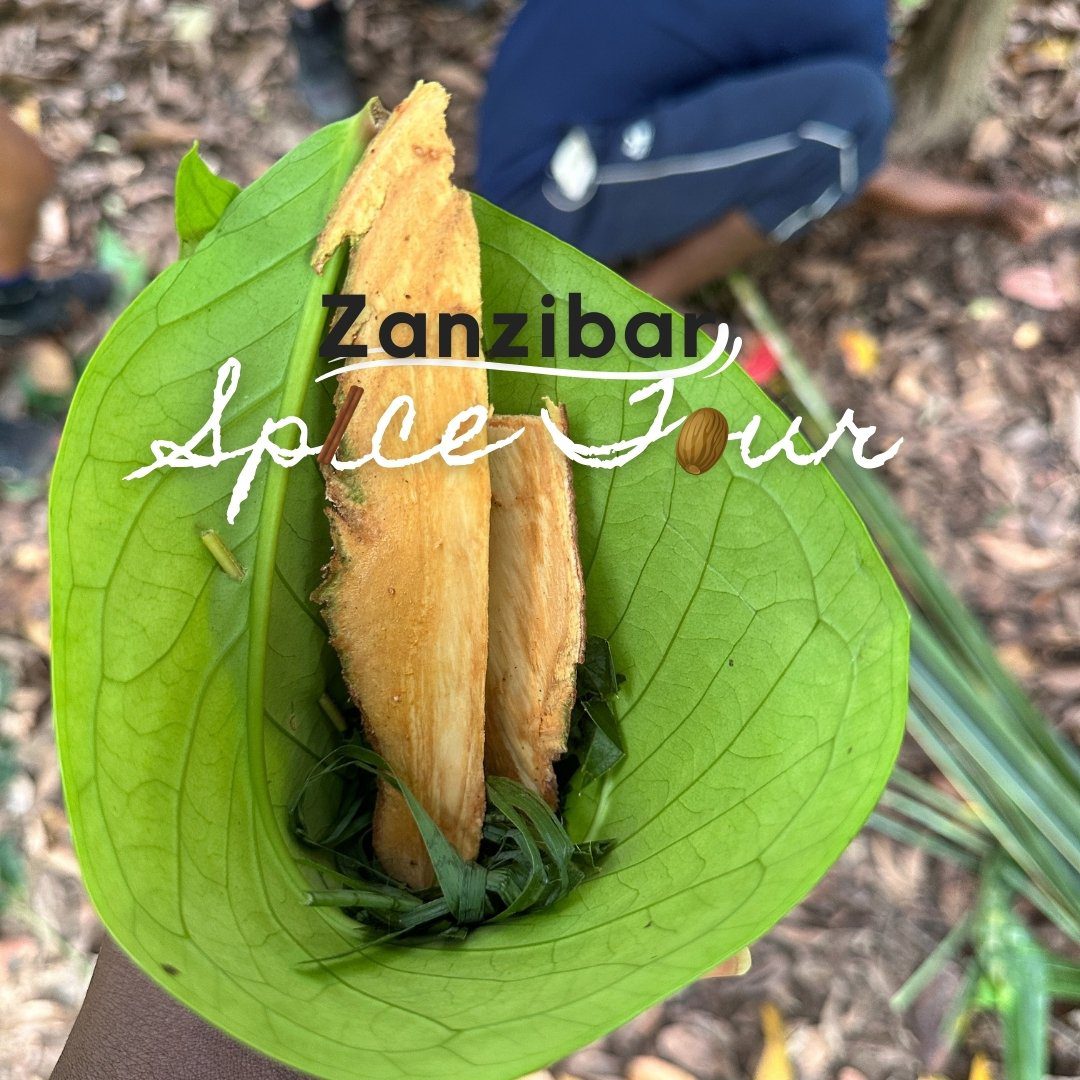
Zanzibari Spice Culture and the Swahili Table
I used to think I understood spices. I could tell you what to reach for when a stew needed depth or a dessert needed warmth. But during a Zanzibar spice tour — guided by Masoud and surrounded by the hum of late morning heat — I realized just how much I had yet to learn.
This wasn’t a food tour stop. This was a quiet unraveling of memory and meaning.
How Zanzibar Became a Spice Capital
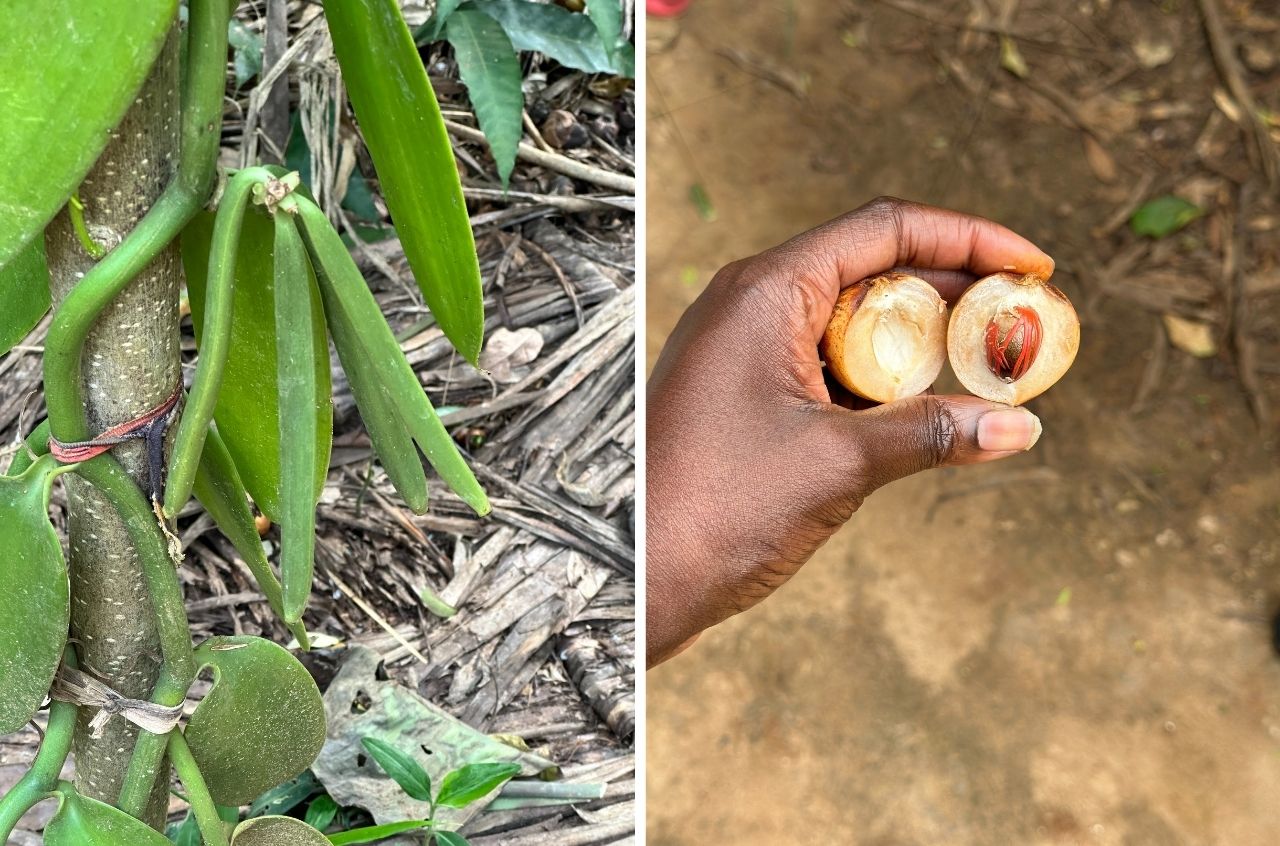
You’ve probably heard the phrase “Spice Islands” tossed around in reference to Zanzibar. But the name didn’t begin here. Historically, European traders used it for the Maluku Islands in what is now Indonesia, where nutmeg, mace, and cloves were first introduced to the global spice trade.
Zanzibar earned its claim later, when Arab traders, especially from Oman, brought clove trees and other prized spices across the Indian Ocean. With its fertile volcanic soil and tropical climate, the island quickly became a major production hub. In the 19th century, booming clove cultivation shaped both Zanzibar’s economy and its cultural identity.
Today, spices are everywhere — in the food, in the medicine cabinets, in the scent that drifts through the air as you walk the streets of Stone Town. But more than that, they’re a bridge between cultures, histories, and families.
A Living Museum of Taste and Healing
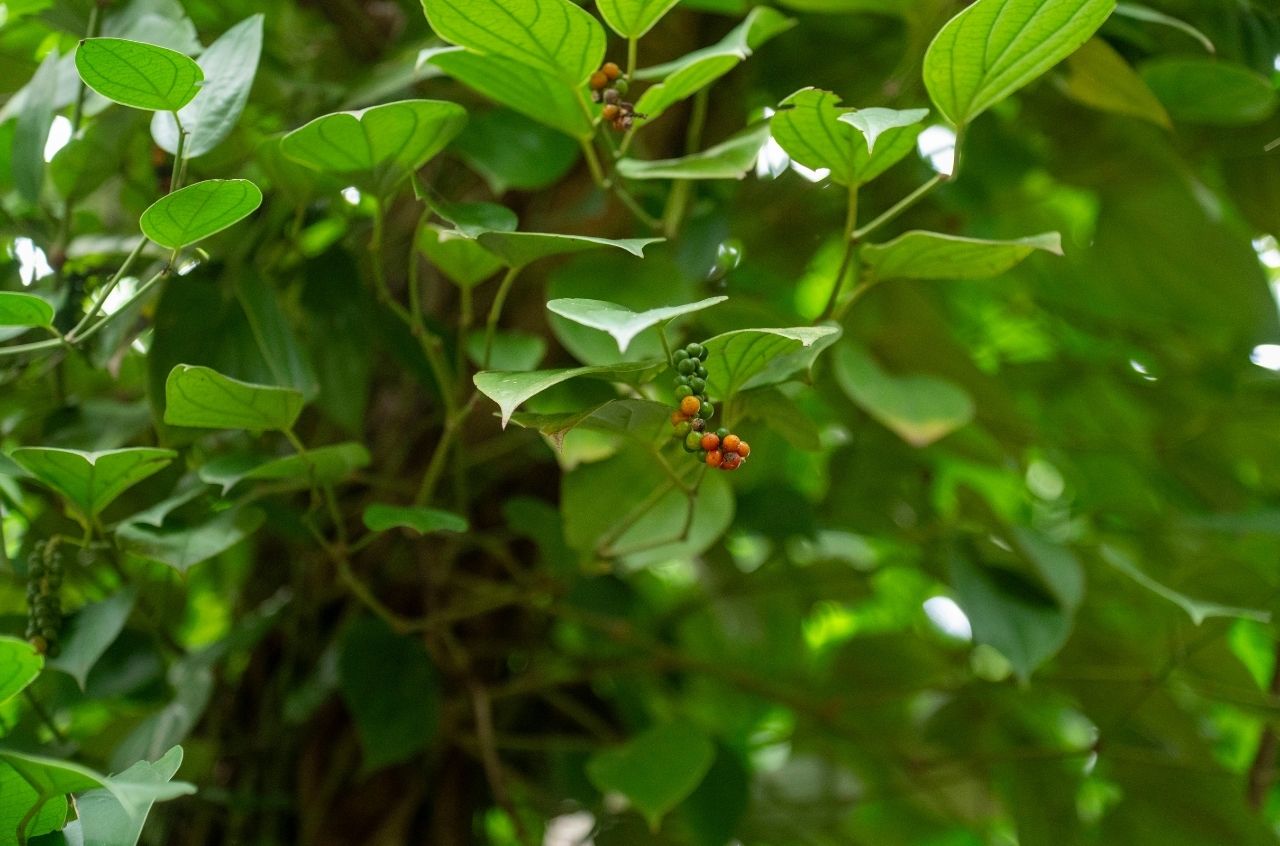
Masoud, our guide, grew up surrounded by this knowledge. What he shared with us went beyond cooking tips. As we wandered between nutmeg trees and cardamom plants, he explained what to chew for a sore throat, what to steep for an upset stomach, and what to grind into coconut oil to ease a headache.
And then there was that moment — familiar now to anyone who’s done this walk — when he crushed a leaf, handed it to us, and we knew the smell… but couldn’t name it.
Clove. Cinnamon. Turmeric. Nutmeg.
We had them all at home. But here, we saw them at the source. Unlabeled. Unprocessed. Real.
“During the spice farm visit, I hope guests come away with a sense of how much care and tradition go into every ingredient. It’s not just a tour — it’s a story of people who’ve preserved knowledge across generations.”
— Joshua Philbert, Let’s Eat Tanzania guide and local partner
The space wasn’t really a “farm,” not in the industrial sense. It was more like a living classroom — one where the learning happens through touch, smell, taste, and memory. We crushed leaves in our palms, peeled bark, tasted sap, and guessed spices from scent alone. It reminded us that flavor isn’t a product. It’s a process, a story, and often — a kind of medicine.
Straight from the source
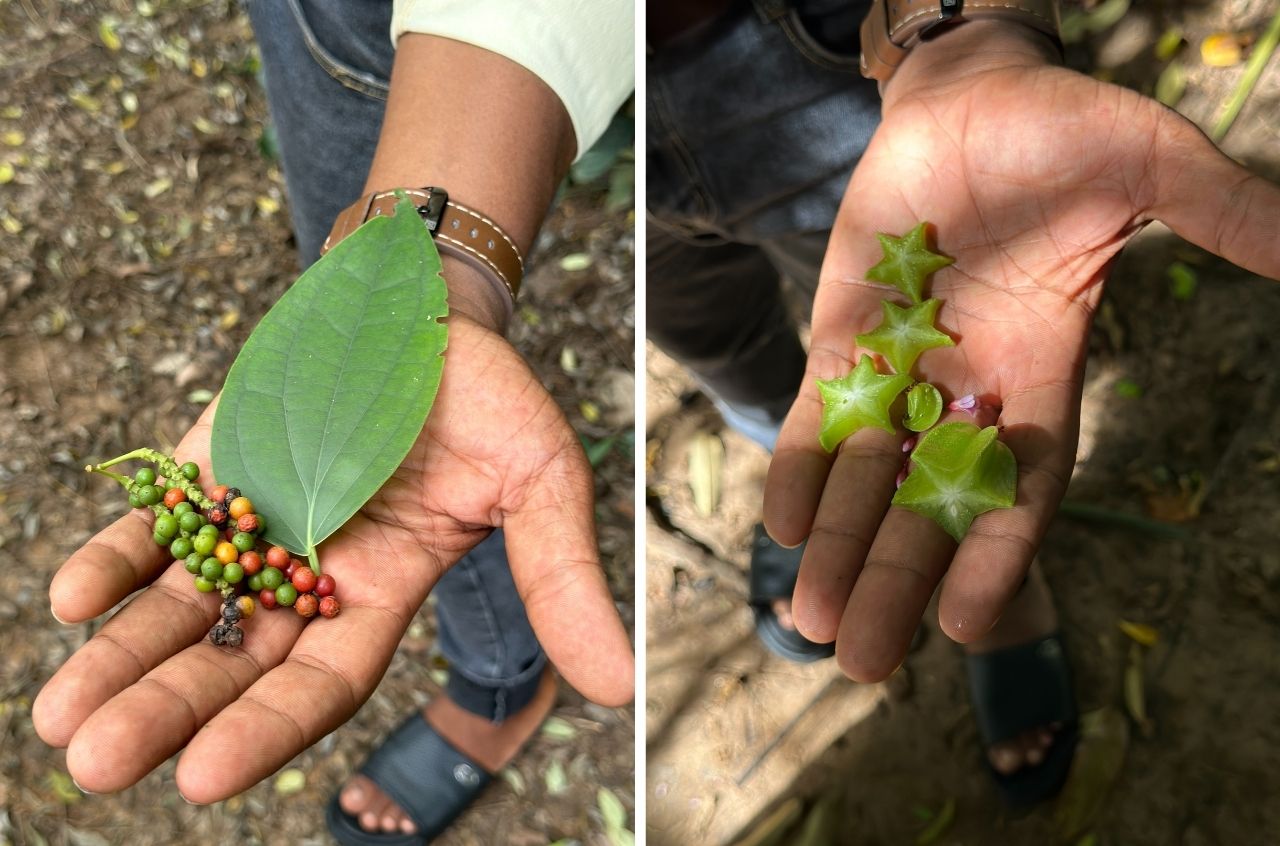
Beyond fresh spices, many of the farms sell handmade soaps, essential oils, and spice-infused products — often crafted with the same traditional knowledge passed down through generations. Clove oil for sore muscles, lemongrass soap for calming the skin, or cinnamon-infused balms are more than souvenirs — they’re echoes of local remedies and everyday wisdom.
A Lesson for Everyone
Even for us professionally trained cooks, this was a fascinating experience. You use spices every day, but it’s funny how you can’t always spot them in their element. Watching Chef Eric listen intently as Masoud explained the uses of each root, bark, and leaf reminded me that this is hands-on learning in its purest form.
What Swahili Cuisine Tastes Like
Swahili food is deeply comforting, but not heavy. Warm with spices, but rarely hot with chili. The flavors reflect the movement of people and the blending of traditions — African, Arab, and Indian.
We ate:
- Pilau rice, fragrant with clove and cinnamon
- Fresh seafood, grilled or cooked in coconut milk
- Curries made with root vegetables and cassava
- Sweets built from cardamom, vanilla, and palm sugar
Nothing was flashy, but everything had presence.
“Swahili cuisine is layered and aromatic. It’s influenced by centuries of trade and migration… warm, spiced — not necessarily spicy — and deeply comforting.”
— Joshua
The markets and food stalls are teeming with foods that may seem exotic to you at first, but you soon come to find there is something familiar about the flavors you encounter. The world can thank the spice islands for bringing a bit of flavor into our lives.
Why This Matters to Our Tour
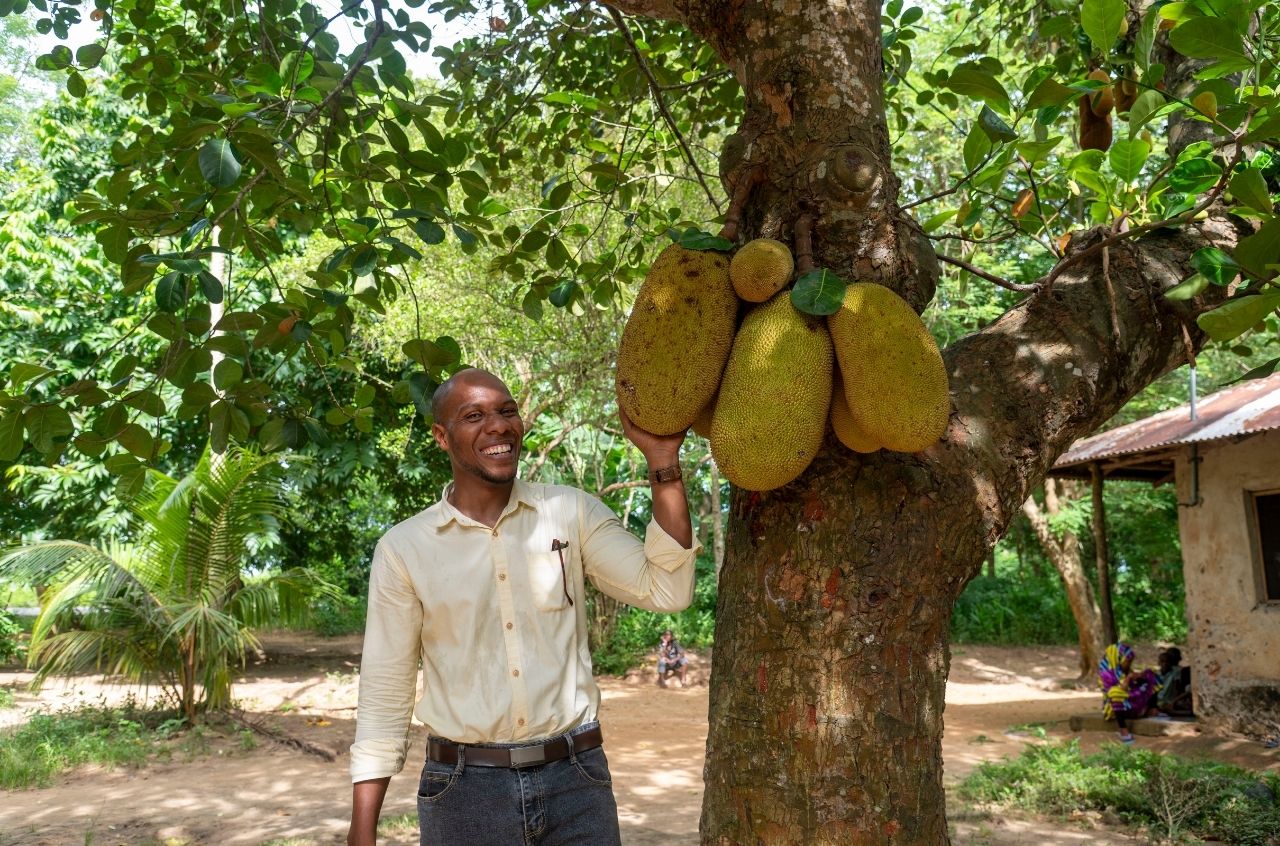
Let’s Eat Tanzania isn’t just about food — it’s about where food takes you. In Zanzibar, that means looking past the postcard beaches to taste something deeper: stories carried by clove trees, stews stirred with memory, and a spice trail that reaches back generations.
The cuisine here tells its own migration story. Omani Arabs brought the cloves. Indian families brought recipes and culinary rhythms that still echo in the biryanis, samosas, and sweet masala chai found across the island. It’s not unusual to take a bite and taste something that reminds you of the Middle East or India — and that’s part of the beauty.
There’s a rhythm here — in the way people move through markets, in the way coconut milk simmers with spices, in the way knowledge is passed from hand to hand. And just like the island itself, the meals aren’t always what you expected — but always worth slowing down for.
🌍 Related Posts
👉 See the full itinerary for Let’s Eat Tanzania