
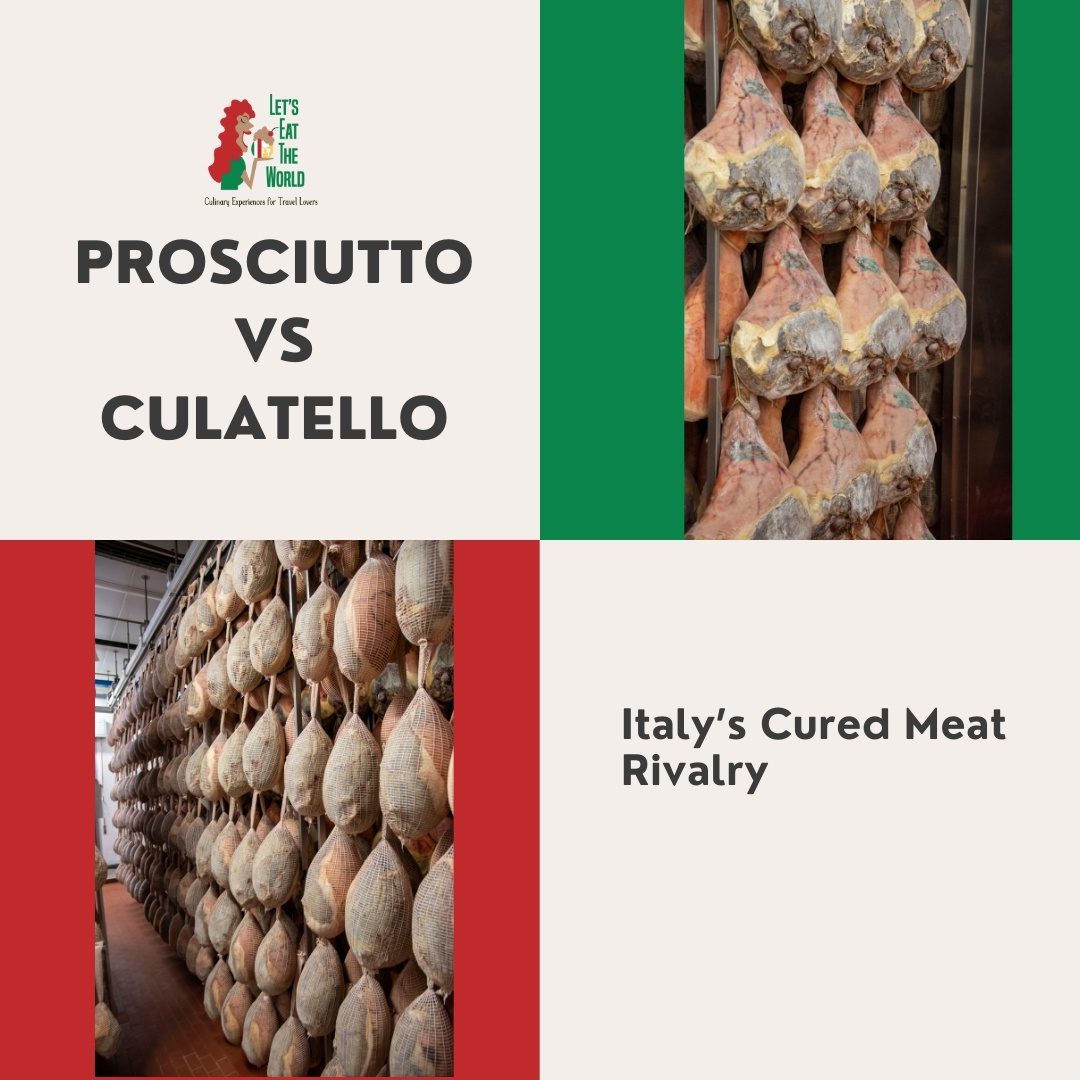
Prosciutto di Parma vs. Culatello: Italy’s Cured Meat Rivalry
Prosciutto di Parma vs. Culatello: Italy’s Cured Meat Rivalry
If Parmigiano Reggiano cheese is the king of cheeses, then Prosciutto di Parma and Culatello are the dukes of Italy’s cured meats. Both hail from Emilia-Romagna, and both enjoy DOP protections that guarantee authenticity. But while they share geography and tradition, they couldn’t be more different in how they’re made, matured, and enjoyed. Understanding the distinction not only elevates your tasting experience, it deepens your appreciation of why Parma is called Italy’s Food Valley.
Prosciutto di Parma: Delicate and World-Famous
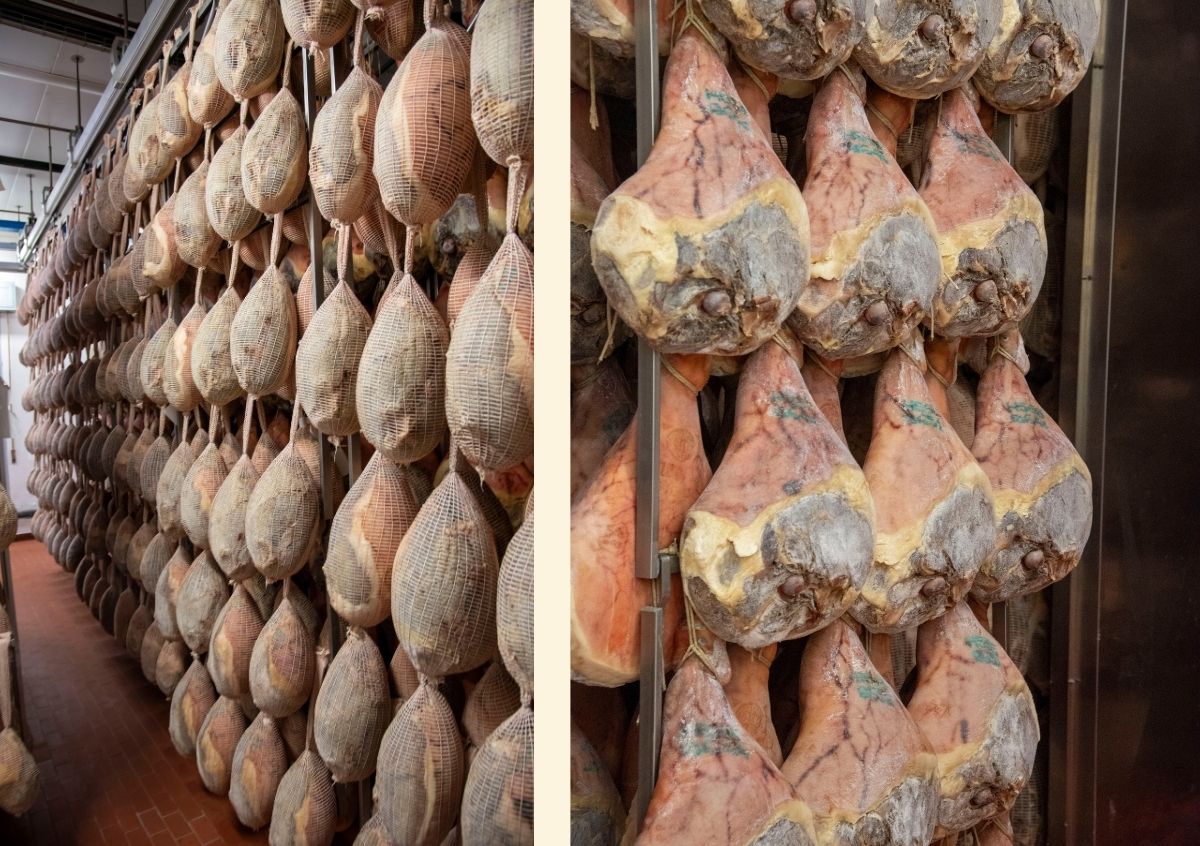
Prosciutto di Parma is likely the one you know. Thin, silky slices of cured ham aged for at least 12 months, often longer. Made from specially bred pigs and cured with nothing more than sea salt and time, Prosciutto di Parma is celebrated for its mild, nutty sweetness. It’s a centerpiece on antipasto boards worldwide and pairs effortlessly with melon, Parmigiano Reggiano, and a glass of Lambrusco from Emilia-Romagna.
Culatello: The Hidden Gem of the Po River Valley
Culatello is lesser known outside Italy but revered among connoisseurs. Unlike prosciutto, which comes from the whole hind leg, culatello is made from the prized muscle at the heart of the thigh. This cut is encased in a natural bladder, tied by hand, and aged in the damp, misty cellars along the Po River—often for 18 months or more. The result is a smaller, more concentrated cured meat with deep, savory complexity and a subtle earthiness—sometimes described as funky—that prosciutto lacks.
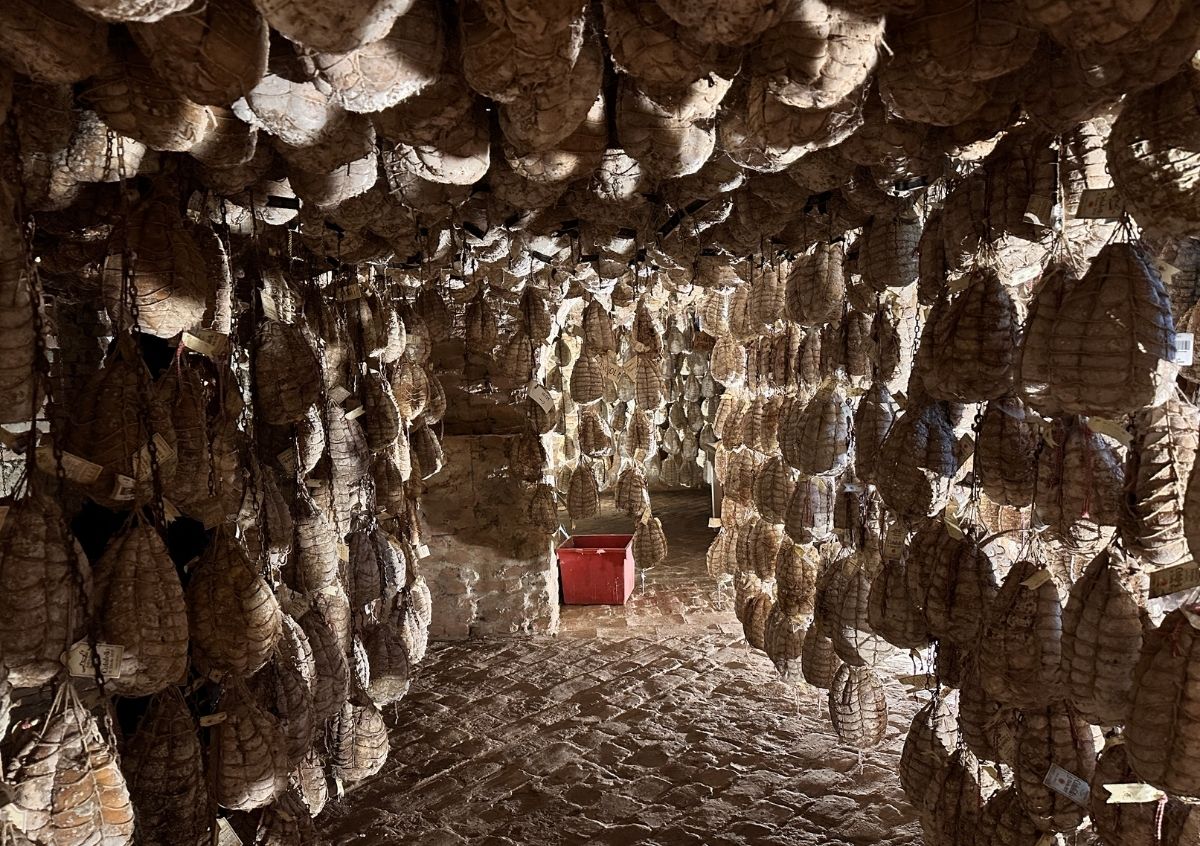
Visiting a culatello producer feels like stepping into a vault of food history. Traditionally, farmers prepared culatello in the colder months, when the climate created ideal curing conditions. According to the Consorzio di Tutela del Culatello di Zibello, production has historically taken place from October to February, when the Po Valley’s cold, foggy air allowed safe curing without artificial intervention. The rhythm of the seasons still dictates production today, with winter air and cellar humidity guiding the process. The hanging rows of tied meats, the steady presence of humidity, and the living microflora all contribute to its unmatched character.
How to Taste the Difference
- Texture: Prosciutto di Parma is silky and supple. Culatello has a firmer bite with more intense marbling.
- Flavor: Prosciutto tends toward delicate and sweet. Culatello brings depth, savoriness, and a hint of umami-driven intensity.
- Serving: Prosciutto is widely available, perfect for everyday luxury. Culatello is rare and prized, often reserved for special tastings.
Pairing Prosciutto and Culatello
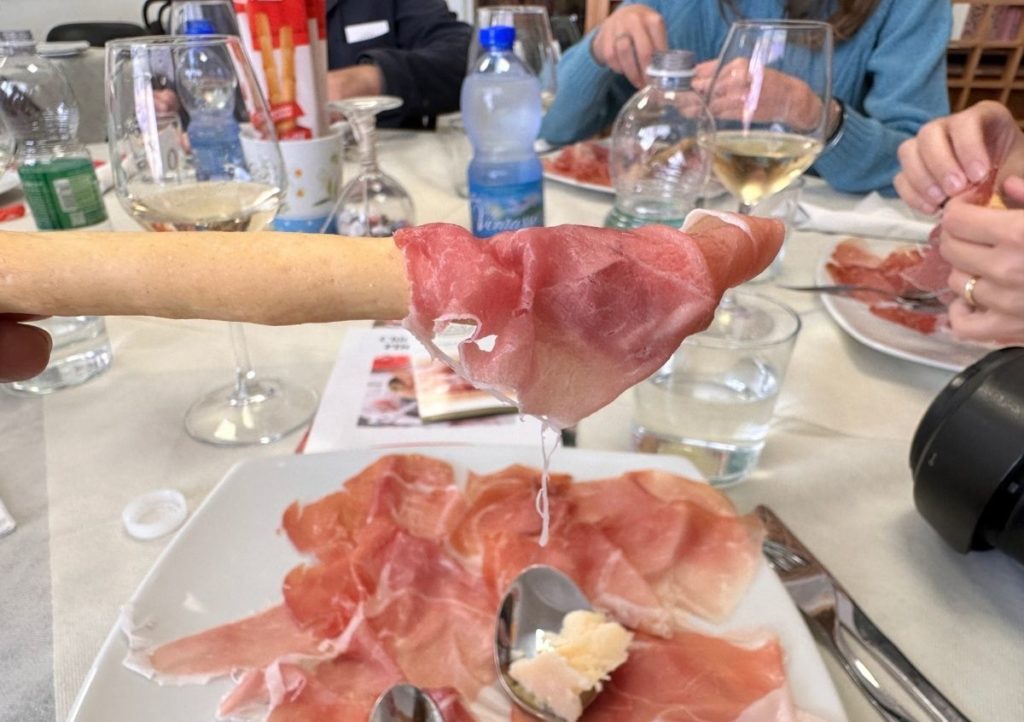
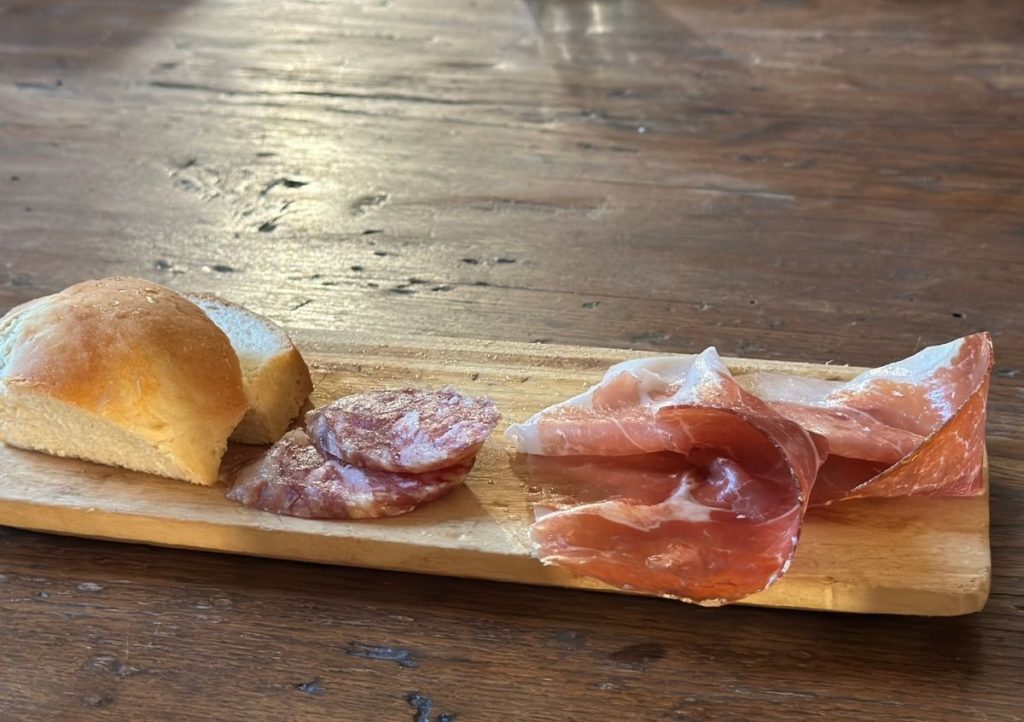
Both pair beautifully with local wines. A dry Lambrusco cuts the richness of prosciutto, while Malvasia enhances the savory depth of culatello. Add Parmigiano Reggiano cheese to the board, and you have the holy trinity of Parma’s flavors. A drizzle of traditional balsamic vinegar completes the experience.
Why This Rivalry Matters
Tasting both Prosciutto di Parma and Culatello on their home turf is a reminder that even within one region, food traditions diverge in fascinating ways. One is globally famous, the other almost secretive. Together, they showcase the diversity of craft that makes Emilia-Romagna, and Parma in particular, the beating heart of Italian gastronomy.