
The Wines of Emilia-Romagna: Lambrusco, Malvasia, and Beyond
When most travelers think of Italian wine, their minds drift to Tuscany’s Chianti or Piedmont’s Barolo. Yet Emilia-Romagna, the region that Parma calls home, offers wines that are every bit as expressive—and deeply tied to its food traditions. To understand Parma’s cuisine, you need to taste what’s in the glass beside it.
Rediscovering Lambrusco
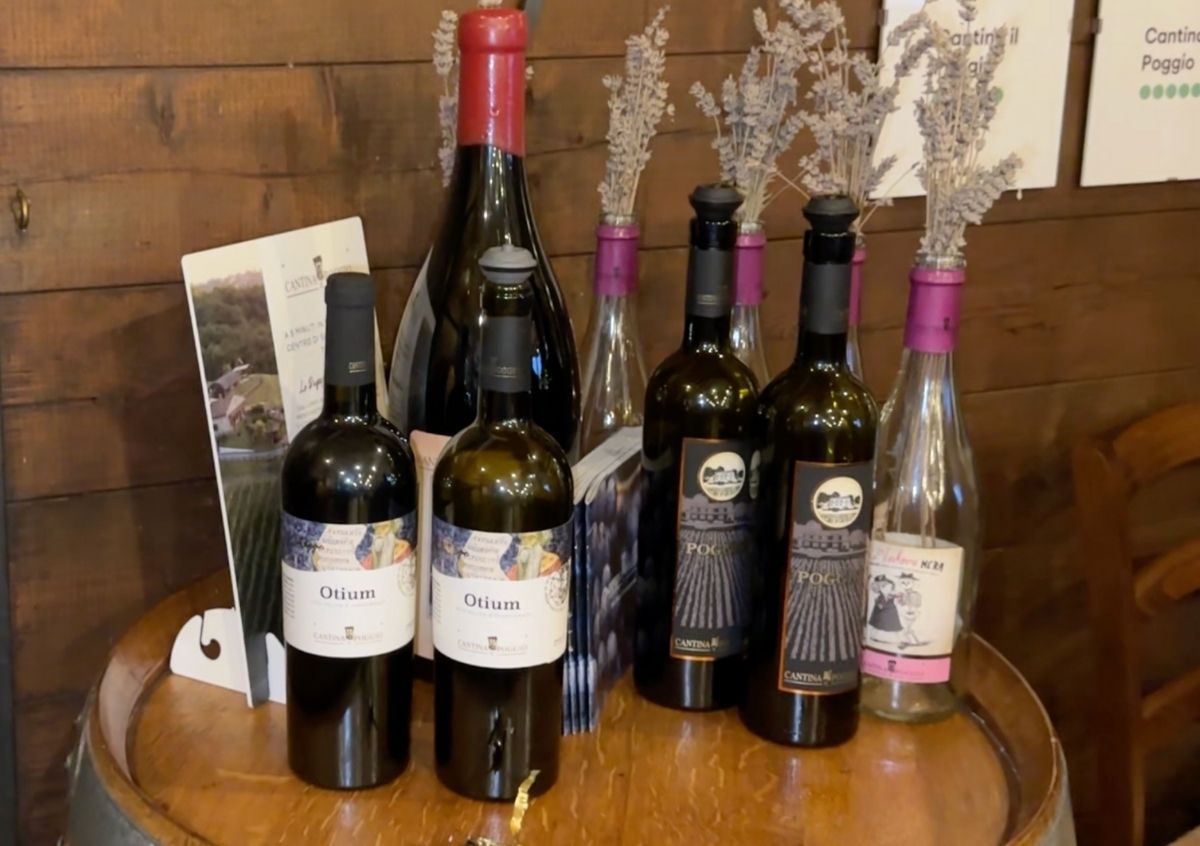
Outside Italy, Lambrusco has long carried the reputation of being overly sweet. But here in Emilia-Romagna, you’ll rediscover it in its truest form: often dry, effervescent, and brilliantly food-friendly. Its bubbles and acidity cut beautifully through the richness of prosciutto and Parmigiano Reggiano cheese. That’s why you’ll rarely see a local table without it.
Sweet versions do exist, but tasting them here reminds you that Lambrusco is far more versatile than the bottles exported abroad suggest.
Malvasia’s Versatility
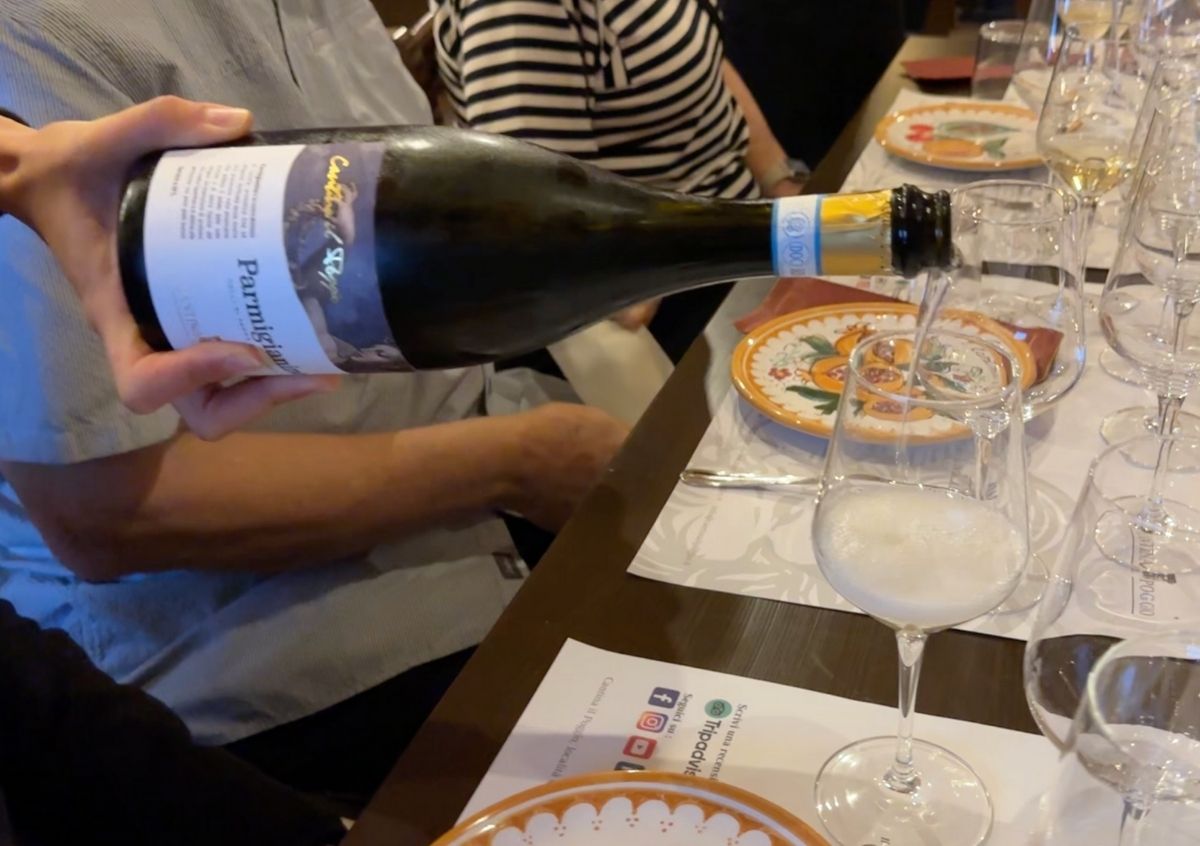
Another star of the region is Malvasia. Depending on how it’s made, this grape can express itself as a crisp sparkling white, a fragrant still wine, or even as a luscious passito for dessert. With tortelli d’erbetta or lighter vegetable dishes, Malvasia provides an aromatic counterpoint that makes the flavors sing.
Wines for Every Course
- Lambrusco (dry): Perfect with cured meats like Prosciutto di Parma or Culatello.
- Malvasia (frizzante): Ideal with pasta or tortelli, offering a fragrant lift.
- Passito wines: A sweet conclusion alongside sbrisolona or other nut-based desserts.
Why It Matters in Parma
Wine here isn’t a stand-alone luxury—it’s part of the daily rhythm, inseparable from the foods it was born to accompany. Emilia-Romagna’s wines may not carry the international fame of Tuscany or Piedmont, but at the table, they are essential. They balance, refresh, and elevate the dishes that define this region.
On the Tour
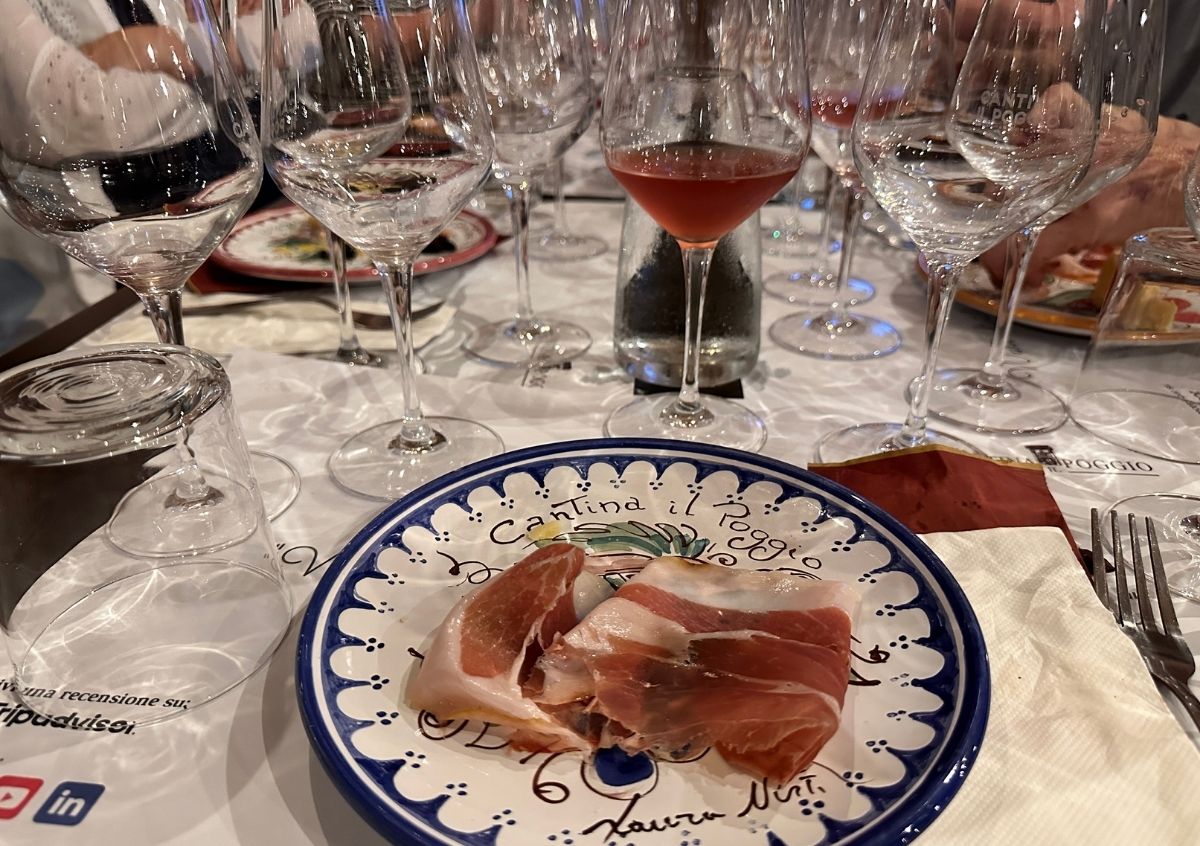
During the Let’s Eat Parma tour, guests taste these wines where they’re made, often guided by the winemakers themselves. A visit to the Cantina Poggio, for instance, shows how tradition and innovation sit side by side—much like the wines and foods of Parma.