
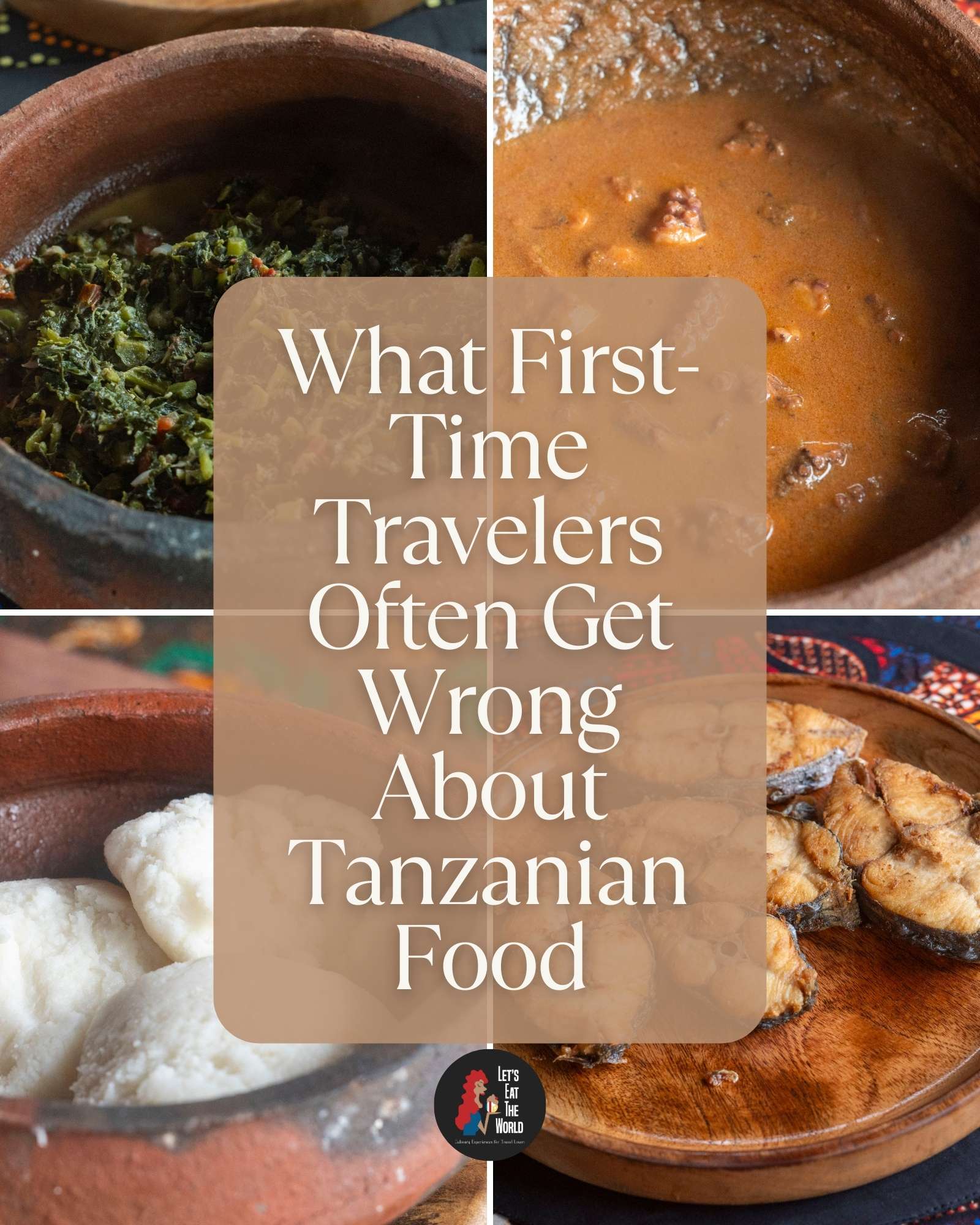
What First-Time Visitors Often Get Wrong About Tanzanian Food
First Impressions
Before my first trip to East Africa, I didn’t know quite what to expect. I went with an open mind—and an open palate. One of my earliest surprises: no plantains, despite seeing them everywhere in West African cuisine. Instead, Tanzanians favor bananas, often used green and savory, sometimes stewed with meat. Not dessert—just comfort, turned unexpected.
Many first-time visitors enter Tanzania with well-meaning assumptions about Tanzanian food. But the cuisine defies stereotypes: it’s vibrant, understated, regional, and deeply rooted.
Let’s unpack a few common myths.
Myth #1: “Tanzanian food is spicy.”
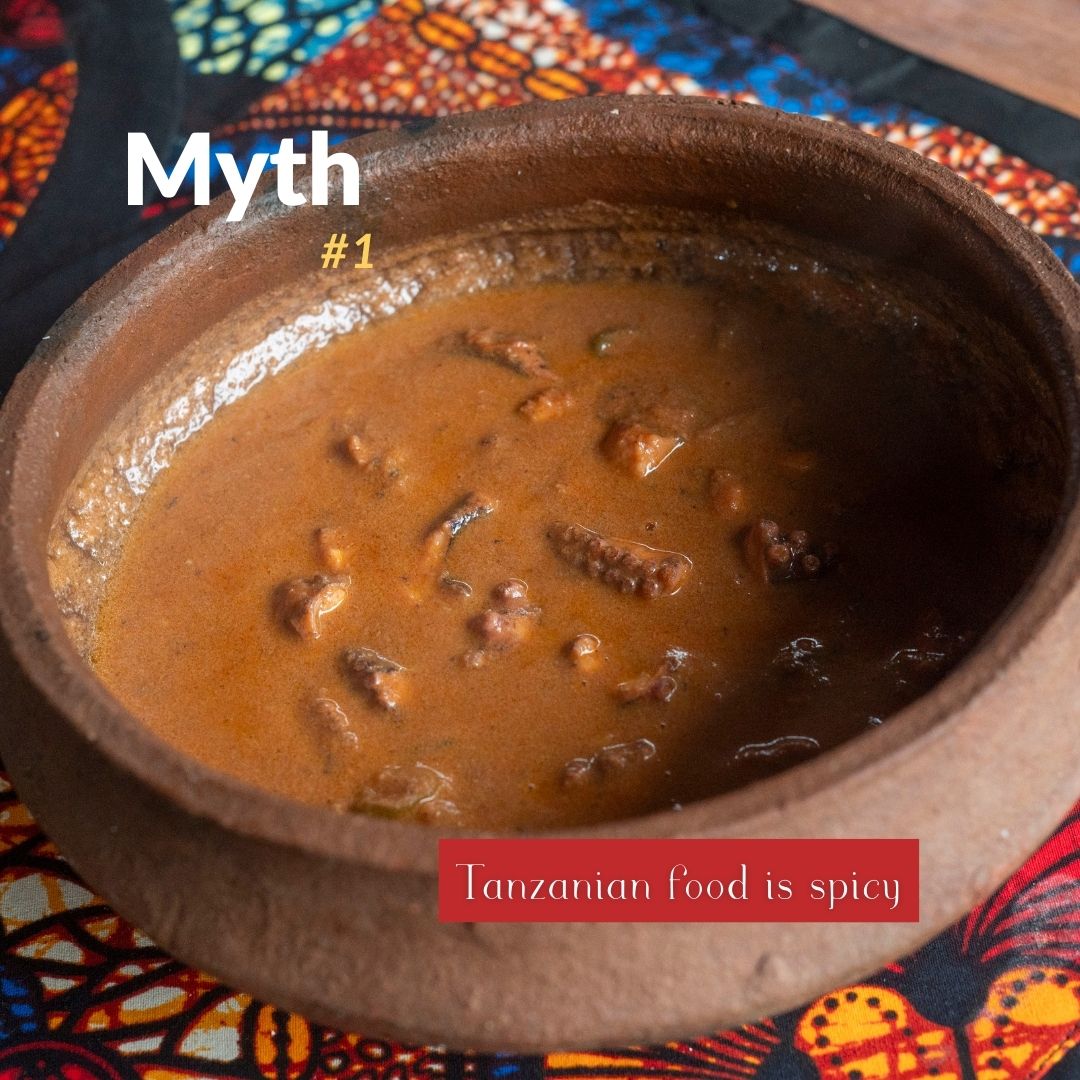
“Hearing ‘spice’ doesn’t always mean fiery heat.” In Tanzanian and coastal Swahili dishes, spices like cloves, cinnamon, and cardamom bring warmth and depth—not flames.
“Our cooking focuses more on building flavor with spices, not necessarily heat.”
Chilies are often on the side, not at the center. Here, spice invites comfort—not competition.
Curious how Zanzibar’s layered spice culture plays into that flavor? This post breaks it down.
Myth #2: “Ugali is bland.”
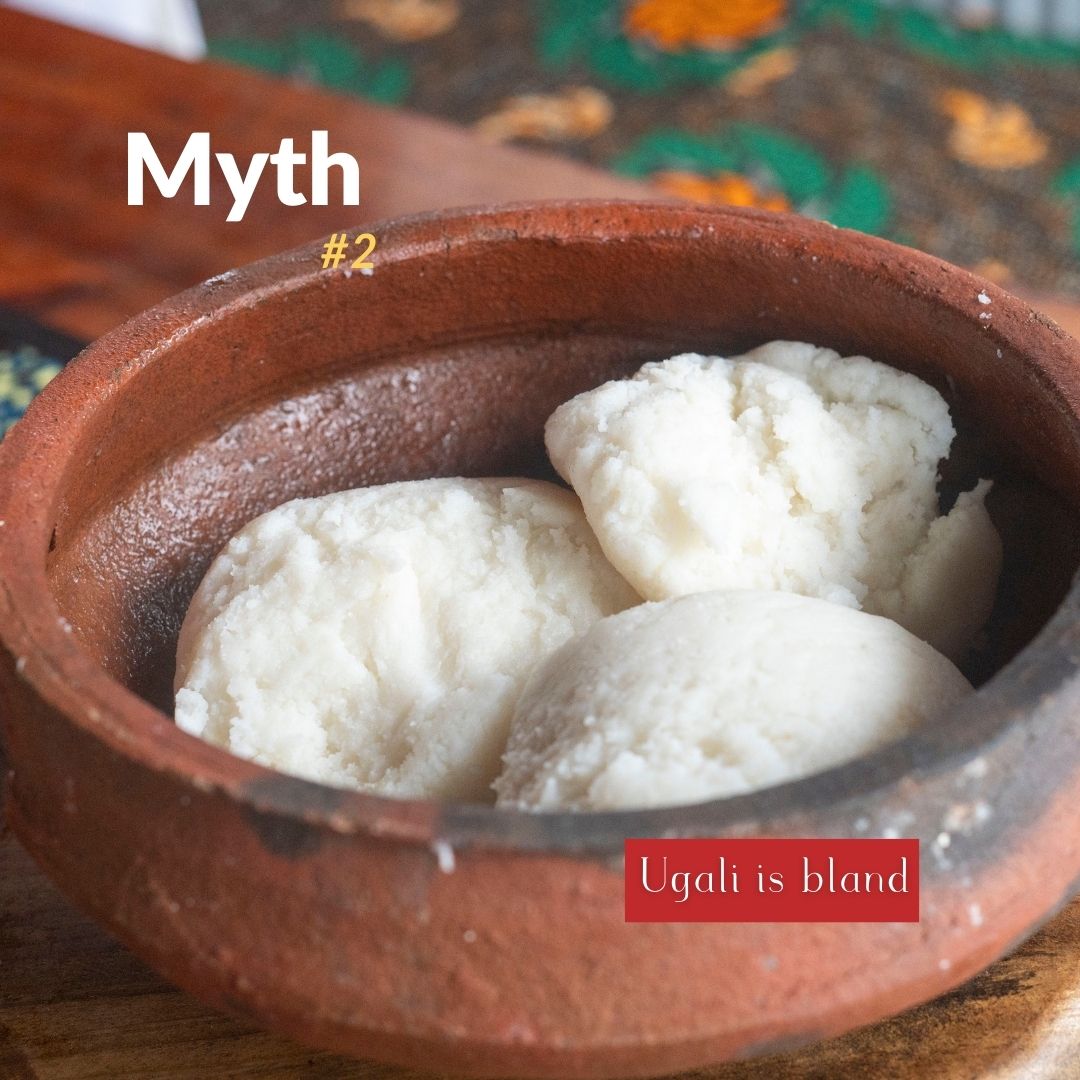
Ugali is far from dull—it’s comfort on a plate. Dense, maize-based, and eaten by hand, it carries the bold flavors of stews and sauces.
“I usually describe ugali as a dense, maize-based dish—kind of like a thick polenta. It’s meant to be eaten with your hands and used to scoop up meat, vegetables, or sauces.”
— Joshua Philbert
Guests who come unsure often leave insisting on thirds. And in some regions, ugali is made by mixing maize with millet, cassava, or sorghum, either for added nutrition or to enhance texture¹.
Still not sure what else you might be eating on this tour? Here’s what’s really on the table.
Myth #3: “It’s all the same across the country.”
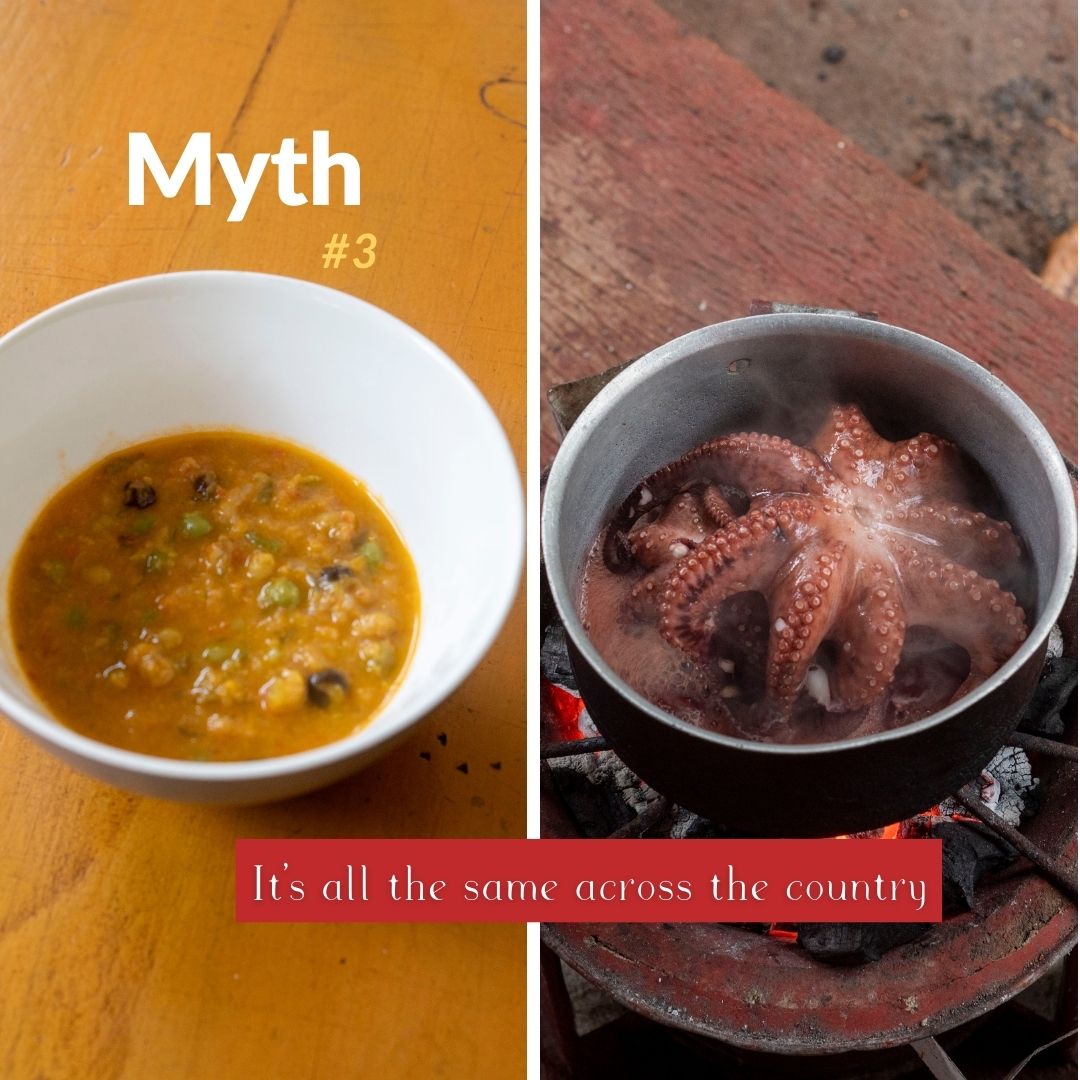
Not at all. Tanzania’s culinary landscape spans over 120 ethnic groups, each with distinct flavors and traditions.
- In Moshi and Arusha, you’ll find that banana, bean, and maize stews flourish.
- On the coast: expect seafood, coconut milk, rice, and Swahili spices—each plate carrying practice and history.
Each region tastes different—and that’s the point.
Want to know how all this ties into the bigger story behind the tour? Here’s the origin story.
Myth #4: “It’s all meat-heavy.”
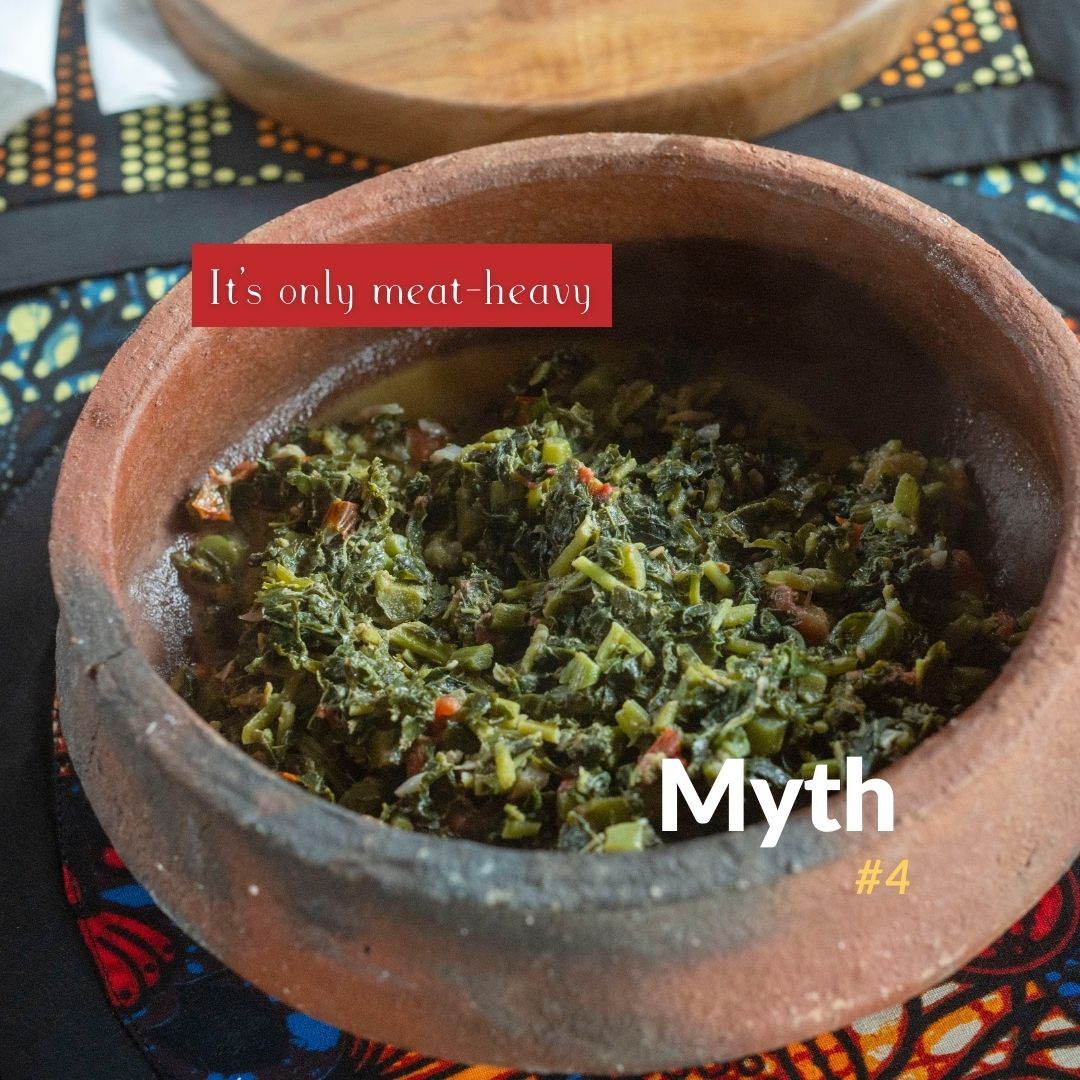
There’s plenty for pescatarians and vegetarians – from coconut vegetable stews like Mchicha to grilled fish, red bean stews (Maharage), and more. Meat is a luxury and traditionally was viewed as a sign of status, so while many dishes do have meat, not everyone does. Ask about options if you have any special needs.
Myth #5: “Street food is unsafe.”
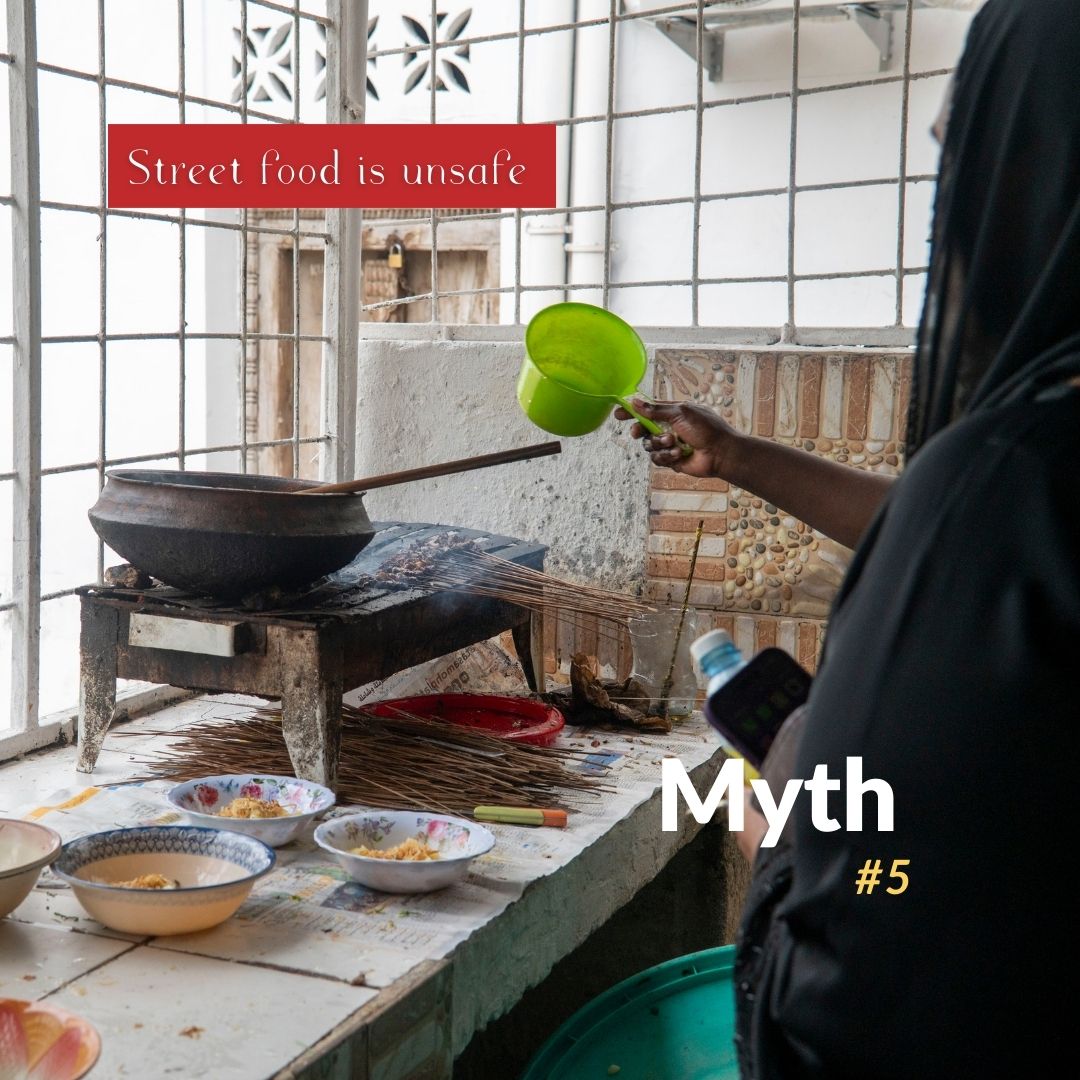
Street food is a vibrant and essential part of local food culture. Before the advent of fancy restaurants, food was often prepared outdoors over open fires. And when you know the right places to stop, you are in for a treat.
The Maize Backstory (and What Came Before)
As you may have heard, maize wasn’t always East Africa’s staple. It arrived from the Americas via Portuguese traders in the 16th and 17th centuries. Before that, millet and sorghum were the local staples—drought-resistant grains that sustained generations².
Ugali wasn’t always made from cornmeal. Its origins in traditional grains bind it to both history and adaptation.
A Hidden Hero: Zanzibar’s Urojo Soup
Zanzibar’s urojo, or Zanzibar mix, is a tangy, layered soup with Indian, Swahili, and Arab influences. Served with fritters or potato chunks and splashed with mango or tamarind sauce, it’s got sweet, savory, and spicy in one bowl. Unexpected, irresistible.
Want to go deeper? Explore What You’ll Really Be Eating in Tanzania to continue the story.
Food, Misunderstood—Then Loved
“I’ve seen many guests start the tour thinking they don’t know Tanzanian food, only to come back for seconds and discover how good eating with their hands can feel.”
— Joshua Philbert
Food here isn’t fuel—it’s connection, humility, memory.
I never expected banana stew to feel like home. I didn’t anticipate ugali anchoring me. And a street soup late in the night in Zanzibar? It made me pause—and smile.
Food is one of the best ways to connect with Tanzania – but only if you’re willing to let go of assumptions. On the Let’s Eat Tanzania tour, we invite you to taste beyond the guidebook. Join us at the table.