
Staying Healthy While Traveling: What to Know Before You Go
When planning a culinary adventure abroad, it’s easy to focus on where to eat, what to pack, and how to capture every unforgettable moment. But there’s another side to smart travel — staying healthy, no matter where you go. Whether you’re joining us in France or Italy or heading to Tanzania, Senegal, Ghana, Nigeria, or South Africa for a deeper dive into culture and cuisine, preparation makes all the difference.
This isn’t about alarm — it’s about awareness. Every region of the world comes with its own considerations, from seasonal flu outbreaks in Europe to malaria precautions in Africa. Let’s break it down so you can travel confidently, knowing you’ve covered what matters most.
1. Health Preparation Is Global
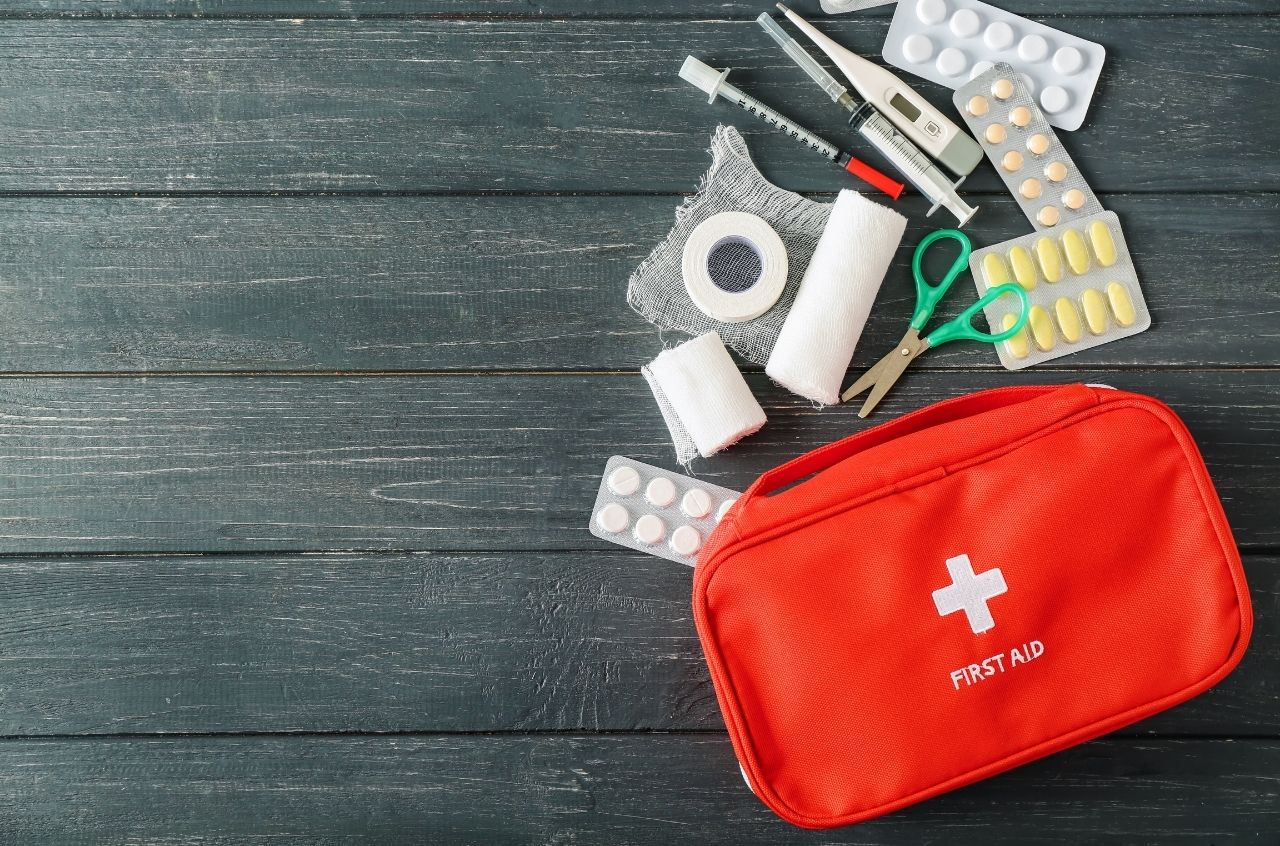
Before any international trip, check in with your primary care provider or a travel health clinic. Even within Europe, travelers are encouraged to stay up to date on routine vaccinations like MMR, DTP, polio, and influenza, especially if visiting rural or crowded areas.
For destinations outside Europe, such as Tanzania, Senegal, Ghana, Nigeria, and South Africa, there are additional vaccinations and preventive steps to consider, depending on local health conditions and regulations.
When to Begin Health Preparation (WHO‑based Guidance)
According to the World Health Organization (WHO), it’s best to begin your travel health planning at least 4–6 weeks before departure, though earlier is preferable if you need multi-dose vaccines or complex immunizations. Many vaccines require time for your body to build immunity, and some travel clinics may have scheduling constraints or limited stock. Planning ahead also gives you space to address any follow-up doses or health consultations.
Tip for Frequent Travelers
Ask your travel clinic for the International Certificate of Vaccination or Prophylaxis (ICVP) — often called the WHO Yellow Card. It’s an internationally recognized record of your vaccinations (including Yellow Fever) and is handy to keep with your passport for multi-country trips.

2. Destination-Specific Vaccinations and Requirements
Routine vaccines (MMR, DTP, polio, influenza, COVID-19, hepatitis B) are universally recommended, whether you’re heading to Paris, Parma, or Zanzibar.
For trips to Africa, your doctor may recommend or require:
- Hepatitis A – advised for most travelers, as it can spread through food and water.
- Typhoid – strongly recommended for those who enjoy local food experiences and street markets.
- Yellow Fever – required for entry to Tanzania, Senegal, Ghana, and Nigeria if arriving from or transiting through a country where yellow fever is present. Proof is recorded on the International Certificate of Vaccination (ICVP).
- Rabies – recommended for extended stays or rural visits.
- Meningococcal meningitis – important for travel to West Africa during the dry season.
For South Africa, no vaccines are required for entry, but Hepatitis A and Typhoid remain sensible choices.
If you’re curious about why we designed our Tanzanian experience the way we did, you can learn more in Let’s Eat Tanzania – The Story Behind the Tour.
3. Malaria Prevention: Beyond the Pill
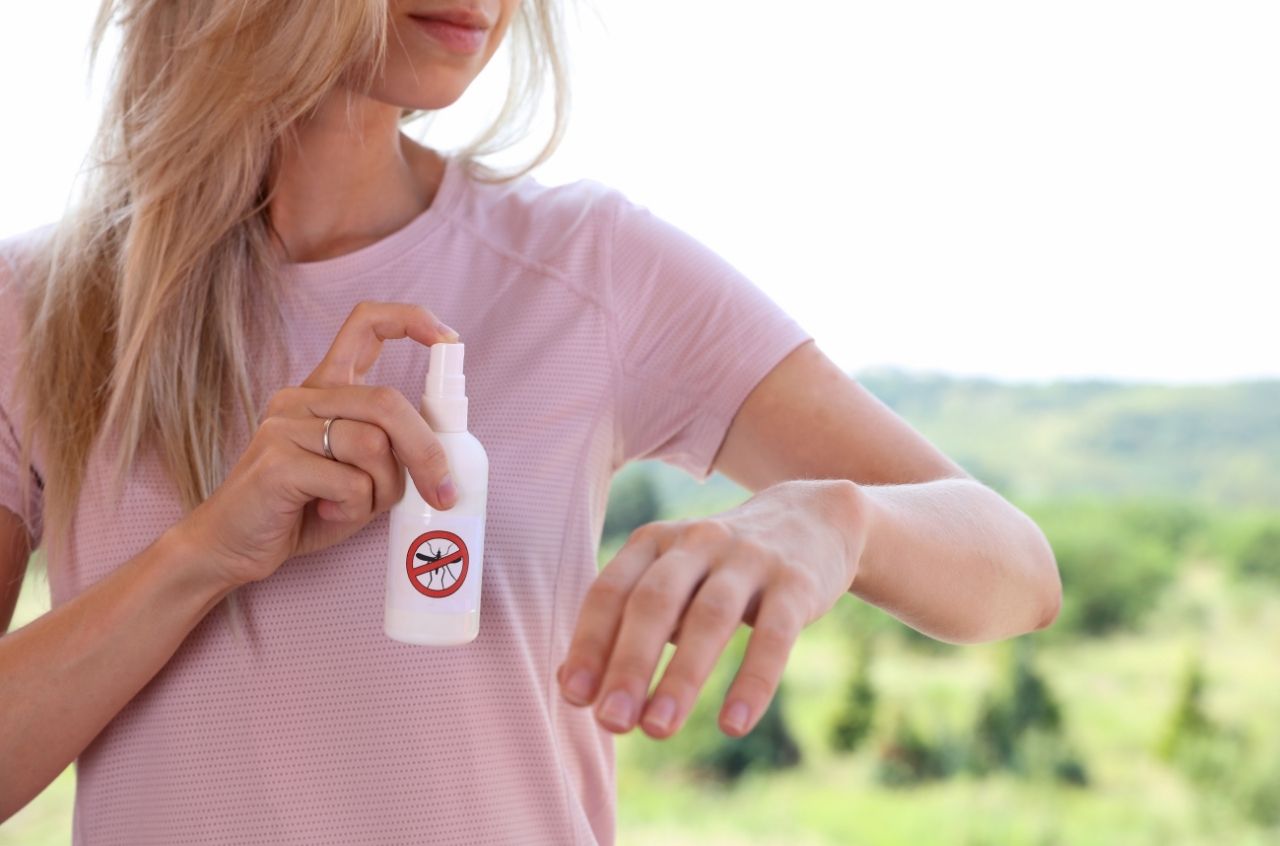
Yes, taking antimalarial medication is often essential — but prevention is most effective when it’s layered. In many African destinations, mosquito-borne illness (particularly malaria) is a known risk, and simple habits and gear can make a big difference.
Wear Smart, Not Sweaty
When packing, aim for clothing that gives you maximum bite-resistance with minimal bulk:
- Lightweight, breathable long-sleeved shirts and long pants can block many mosquito bites.
- Opt for loose-fitting garments in lighter colors — mosquitoes are more attracted to dark, tight fabrics.
- Consider treating your clothes with permethrin — or purchase pre-treated garments — so that mosquitoes land and retract.
- Some sprays are made specifically for clothing (not skin) using insecticides like permethrin. Use them before packing and re-treat after wash cycles.
Layer on Chemical Protection
- Apply insect repellent containing DEET (≥30%) or alternatives like picaridin to exposed skin areas.
- Spray your clothes (especially cuffs, collars, trouser hems) lightly with repellent or a clothing-safe insecticide if the label allows.
- Use treated mosquito nets in sleeping areas, even in hotels or lodges.
- Be aware: mosquitoes may bite through thin fabrics — so use repellent under clothing if possible.
Local Drugs & Resistance Awareness
Because locals and clinicians deal with malaria continually, the antimalarial drugs available in-country may differ from those at home. They might be stronger, more targeted, or formulated based on local resistance patterns. Always consult a travel health specialist who is aware of regional resistance data. Some commonly used prophylactic drugs include atovaquone-proguanil (Malarone) and doxycycline, depending on destination and individual health profiles.
Practical Tips from WHO / Global Guidance
According to the World Health Organization (WHO), personal protection from mosquito bites between dusk and dawn is the first line of defense for travelers. WHO also notes that spatial repellents and insecticide-treated clothing can enhance safety, especially in high-risk areas.
If you want to visualize where these precautions come into play, take a look at Ngorongoro Crater: A Safari Moment in a Culinary Journey — a glimpse into the landscapes that inspire this guidance.
4. Travel Insurance and Medical Access
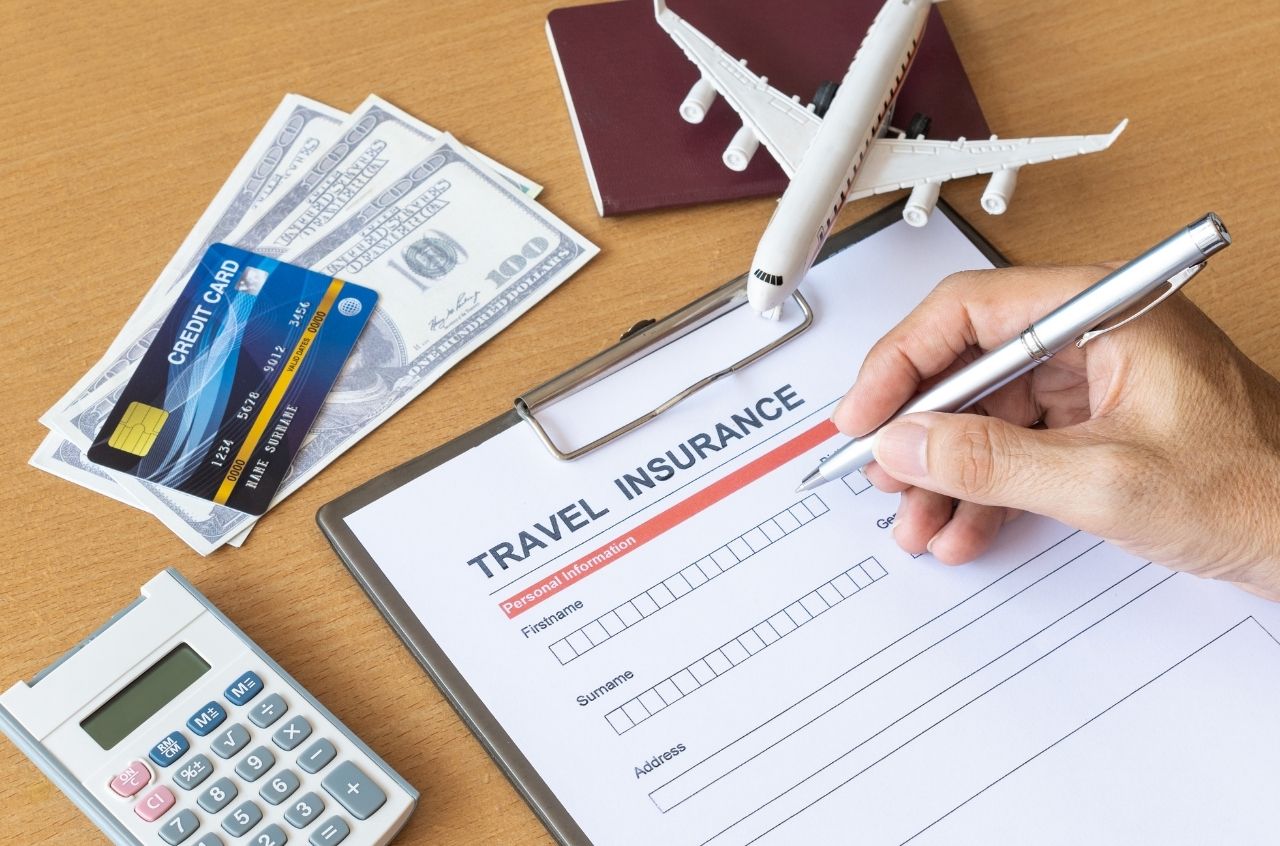
Whether you’re exploring Uzès or Arusha, comprehensive travel insurance is essential. Verify that your policy covers:
- International medical care and evacuation
- Trip interruption or cancellation
- 24-hour emergency assistance
Keep a printed and digital copy of your insurance and emergency contacts with your passport.
5. Smart Packing: Health and Comfort Essentials
Packing smartly for health means balancing preparedness with practicality.
Carry-on essentials:
- Prescription medications (in original containers)
- Hand sanitizer and disinfectant wipes
- Oral rehydration salts and electrolytes
- Sunscreen and insect repellent
- Pain relievers and motion sickness tablets
- Small first-aid kit (bandages, antiseptic wipes, tweezers)
If you have checked luggage:
- Extra medication supply (in case of delays)
- Larger toiletry or sunscreen quantities
- Lightweight scarf or shawl for sun and modesty
- Water bottle with built-in filter
- Power bank and universal adapter
For more detailed packing inspiration, stay tuned for our upcoming post on What to Pack for Your Culinary and Culture Tour in Tanzania.
6. Food and Water Safety, Wherever You Travel
Food is at the heart of every Let’s Eat The World experience — and staying healthy while enjoying it is key.
- In Europe, focus on pacing yourself through rich meals, cheeses, and wines.
- In Africa, where market dining and open-air cooking are common, choose freshly cooked dishes, bottled or filtered water, and peelable fruits.
- Hand hygiene is universal: carry sanitizer and wash before eating.
For a closer look at how we celebrate Tanzania’s food culture safely, read What You’ll Really Be Eating in Tanzania and Zanzibari Spice Culture and the Swahili Table.
7. Listen to Your Body and Travel Kindly

Time zone shifts, heat, and new foods can all affect how you feel. Stay hydrated, rest when you can, and be kind to your body. If you ever feel unwell, let your guide or host know — they’ll help you find care quickly.
8. Prepared, Not Paranoid
Travel health is not about fear — it’s about respect. Respect for your body, your hosts, and the environments you’ll step into. By taking a few simple steps before departure, you’ll travel freely and with peace of mind.
Disclaimer: This article is for general information only and is not medical advice. Health requirements and recommendations can change without notice. Always consult a licensed healthcare provider and review official guidance (e.g., WHO and your national health authority) for your specific itinerary and needs. Let’s Eat The World is not responsible for actions taken based on this content.
Downloadable Resource: Carry-on vs Checked Luggage Health Packing List
For travelers who like quick references, we’ve created a one-page Carry-on vs Checked Luggage Health Packing List PDF.